
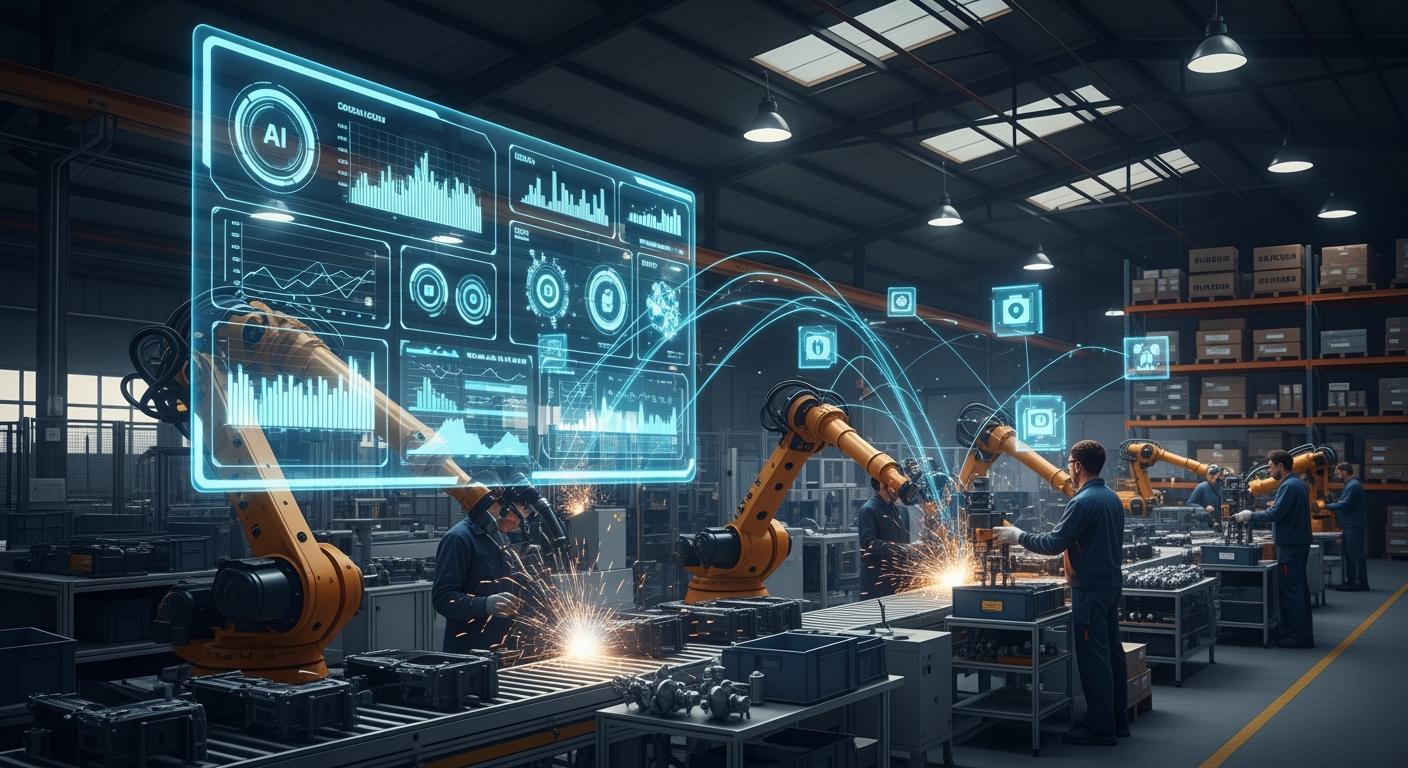
You can optimize production and reduce waste when you use ai demand forecasting. AI tools help manufacturers like you make data-driven decisions by analyzing real-time data and predicting customer demand. Artificial intelligence improves forecast accuracy, which leads to better inventory management and fewer stockouts. Machine learning automates complex tasks, so you spend less time on manual work. AI also boosts supply chain resilience, increases profitability, and supports efficient production by aligning schedules with actual demand.
Challenges in Traditional Demand Forecasting
Inefficiencies in Manufacturing
You face many obstacles when you rely on traditional demand forecasting. These methods often depend on historical averages and manual adjustments. You may miss important market signals and struggle to keep up with rapid changes. The table below shows common inefficiencies that can disrupt your production floor:
| Inefficiency Type | Description | Impact on Production Floor |
|---|---|---|
| Human Bias in Forecasting | Reliance on subjective opinions leading to over-optimistic or overly cautious forecasts. | Results in excessive inventory buildup or underproduction, causing reactive decision-making and increased stress. |
| Poor Data Quality | Inaccurate or outdated data skewing demand predictions. | Causes overproduction or underproduction, leading to increased costs and employee stress. |
| Lack of Market Trend Analysis | Ignoring market shifts and competitor activity, relying solely on historical data. | Risks producing goods misaligned with consumer demand, leading to stockpiling or scrambling to adjust production. |
| Disconnected Supply Chain Data | Lack of integration between supply chain partners causing inconsistent forecasting. | Results in halted production lines and increased costs due to last-minute procurement. |
| Failure to Adapt to Real-Time Changes | Static forecasting models that do not adjust to sudden market changes. | Causes misalignment with actual demand, leading to inefficiencies and lost revenue opportunities. |
Tip: You can improve demand planning by using ai tools that analyze real-time data and connect your supply chain partners.
Costs of Inaccurate Forecasts
Inaccurate demand forecasting can lead to high operational costs. You may see inventory overload, missed opportunities, and production stalls. Here are some ways these costs affect your business:
- Inventory overload increases storage costs and ties up your capital.
- Missed opportunities happen when you underestimate demand, leading to lost sales and unhappy customers.
- Production stalls occur when you do not have the right materials, causing delays and penalties.
- You may face excess stock if you predict sales too optimistically, which strains your cash flow.
- Mismatched inventory wastes resources and causes missed revenue.
- Unreliable forecasting can damage your reputation over time.
You can lose money when your supply chain management does not match actual demand. Global inventory distortion costs reach $1.77 trillion each year. Traditional demand forecasting often fails to adapt to market changes, so you need ai solutions that respond quickly and accurately. Ai can help you avoid these pitfalls and optimize your manufacturing operations.
AI Demand Forecasting in Manufacturing
Real-Time Data Analysis
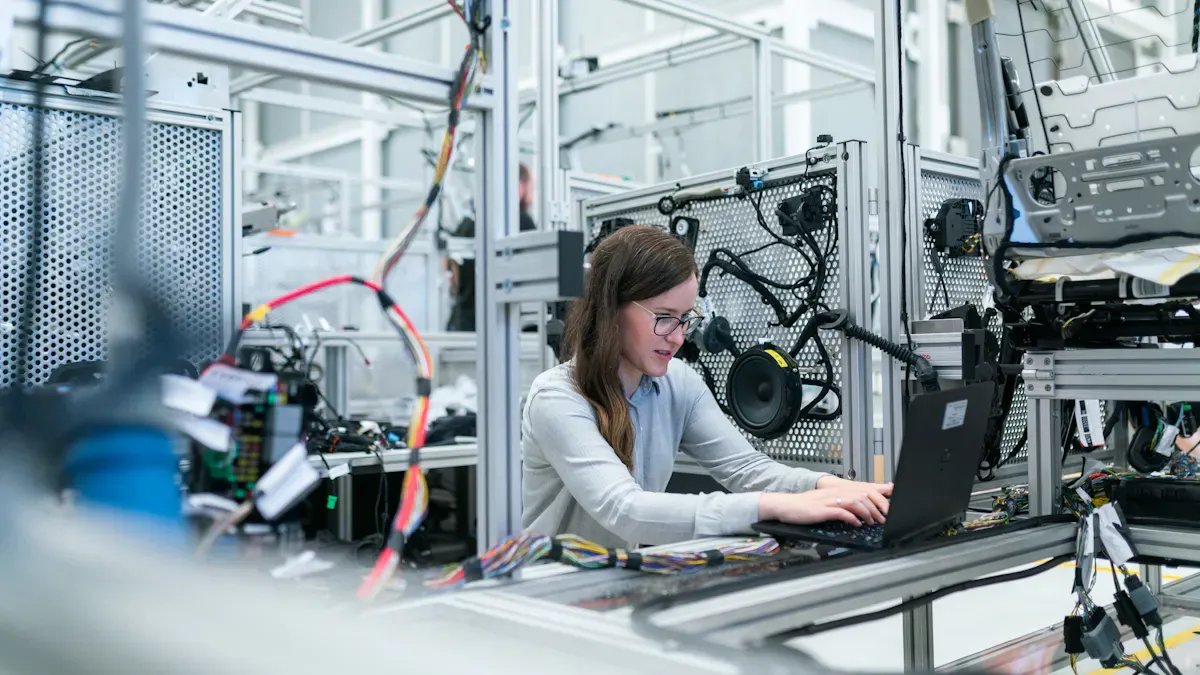
You can use ai demand forecasting to process large amounts of information quickly. AI forecasting tools collect data from many sources, such as sales records, market trends, and even social media. These tools use advanced models to find patterns that you might miss with manual methods. AI integrates both structured and unstructured data, which means you get a complete view of your operations.
- AI forecasting models use machine learning to spot complex relationships in your data.
- Real-time data processing lets you respond to demand fluctuations as they happen.
- AI-driven forecasting systems help you make data-driven decisions, so you can adjust production before problems arise.
Note: Real-time data analysis gives you a competitive edge. You can react to changes in customer demand faster than your competitors.
Here are some examples of how different industries use ai-based demand forecasting for real-time analysis:
| Industry | Application of AI in Demand Forecasting |
|---|---|
| Automotive | Predicting demand for specific models based on historical sales data, market trends, and customer preferences. |
| Pharmaceutical | Analyzing data on disease outbreaks and vaccination rates to forecast demand for specific drugs. |
| Food and Beverage | Predicting demand based on seasonal trends, consumer preferences, and promotional activities to enhance inventory management. |
| Electronics | Refining demand forecasts by considering product life cycles and market competition for smoother production processes. |
Predictive Analytics for Demand
You can improve your demand forecasting accuracy with predictive analytics. AI-powered demand forecasting uses machine learning algorithms to analyze order history, incoming orders, and outside factors like weather or news events. This approach goes beyond traditional sales forecasting, which often relies only on past data.
- Predictive analytics helps you adjust inventory levels to match market demand.
- AI-driven forecasting solutions ensure you have the right products available, reducing stockouts.
- You can use predictive analytics to determine safety stock levels and prepare for demand spikes.
- IoT devices give you real-time insights into production rates and inventory, making your forecasts more precise.
- Cloud platforms make forecasting solutions easy to scale and keep your models up to date.
Tip: Predictive analytics lets you simulate different scenarios, such as supplier delays or sudden demand shifts. You can plan ahead and avoid costly surprises.
Managing Volatility and Disruptions
You face many challenges, such as supply chain disruptions and sudden demand shifts. AI-driven forecasting helps you manage these risks. AI forecasting tools can detect risks early by analyzing external data and sensing disruptions. You can use real-time inventory data to check stock across all your locations.
- AI-driven demand forecasting solutions help you identify reliable suppliers and spot fulfillment risks.
- Transportation management systems use AI to optimize inventory movement and reduce costs.
- Automated replenishment orders keep your logistics running smoothly and improve service levels.
- AI forecasting systems let you adapt quickly to demand fluctuations, such as demand spikes or supply chain delays.
Here are some real-world results from manufacturers using ai:
- An electronics manufacturer reduced holding costs by 18% and kept a 98% service level by optimizing inventory with ai.
- A global fiberglass manufacturer improved forecast accuracy by 30% and cut excess inventory by 25% in just 90 days.
- Another electronics company automated supplier diversification, cutting component shortages by 37% and reducing supply disruption losses by 35%.
- Shipping route resilience measures shortened delivery times by 22% during port congestion.
Callout: AI demand forecasting gives you the tools to sense demand shifts, manage disruptions, and keep your production on track, even when the market changes fast.
Implementing AI-Powered Demand Forecasting
Integrating with Existing Systems
You need to connect your ai-powered demand forecasting tools with your current manufacturing systems for the best results. Many manufacturers use platforms like MES, CMMS, and EAM to manage production planning, maintenance, and inventory. When you integrate ai-based demand forecasting with these systems, you break down silos and create a single source of truth for your data. This approach helps you align demand signals with production schedules and maintenance plans. You can also connect your AI tools to SAP, PLC sensors, GPS, and accounting software. This makes your workflow more automated and efficient.
You may face some challenges when you add ai to older systems. The table below shows common issues and what they mean for your business:
| Challenge | Description |
|---|---|
| Technical Debt | Outdated infrastructure and codebases that cannot support modern AI technologies. |
| Data Silos | Fragmented information stored in separate databases, hindering AI's effectiveness. |
| Resistance to Change | Hesitance from employees and management to adopt AI technologies due to fear of job displacement. |
| Security and Compliance Risks | Vulnerabilities created by integrating AI into legacy systems that were not built with modern security standards in mind. |
You can solve these problems by choosing AI platforms that work well with your current systems. You should also involve experts who know how to handle complex integrations.
Iterative Scaling and Improvement
You should start small when you bring ai-driven forecasting into your production planning. Begin with a pilot project to test how well the system works. Use the steps below to guide your process:
- Assess your current forecasting and find areas that need improvement.
- Prepare your data and set up the right infrastructure.
- Launch a pilot project to check forecast accuracy.
- Expand the system to more areas of your business.
- Keep improving your models based on feedback and new needs.
You may run into issues like poor data quality or resistance from your team. You can address these by checking your data early and keeping everyone informed. Mapping your system architecture and using modern integration methods will also help.
As you scale, you will see better results. AI can process real-time data and improve your production planning. The table below shows how artificial intelligence and machine learning make your forecasts more accurate and your decisions smarter:
| Aspect | Description |
|---|---|
| Improved Accuracy | AI algorithms analyze vast amounts of data, leading to more precise forecasts, reducing overstocking. |
| Real-Time Data Processing | AI processes real-time data from various sources, allowing dynamic adjustments to forecasts. |
| Enhanced Decision-Making | AI-driven insights enable informed decisions on production and marketing strategies. |
| Cost Reduction | Minimizing forecasting errors reduces costs related to excess inventory and missed sales. |
| Predictive Analytics | AI anticipates future demand based on historical data and emerging trends. |
Tip: Use ai-powered demand forecasting to make your production planning smarter, more flexible, and more cost-effective.
Benefits for Manufacturers
Improved Forecast Accuracy
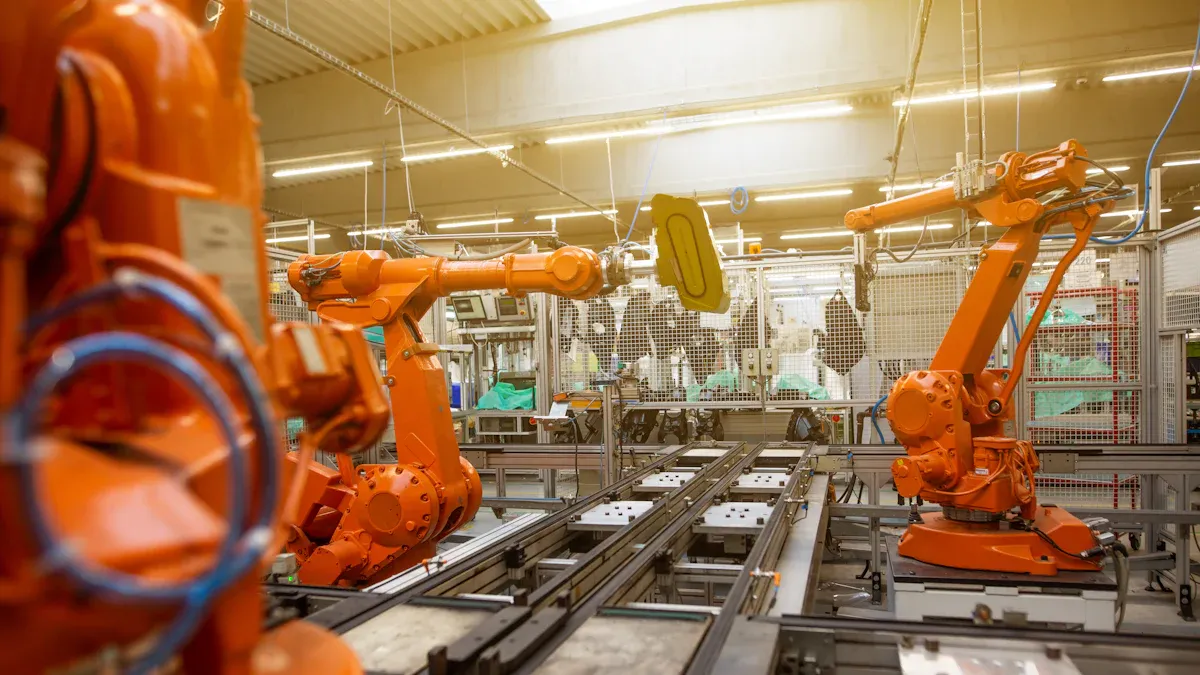
You can achieve much higher forecast accuracy when you use ai demand forecasting. AI tools analyze large amounts of data and spot patterns that you might miss. This helps you predict demand more precisely and make better decisions for your business. When you improve forecast accuracy, you reduce errors and avoid costly mistakes in demand planning.
Here is how manufacturers have improved their results with ai demand forecasting:
| Improvement Type | Percentage Improvement |
|---|---|
| General accuracy improvement | 20–30% |
| Reduction in forecast errors | 20–50% |
| Forecast error reduction (specific case) | 10% |
| Launch phase forecast accuracy improvement | 30% |
You can see that even a small increase in forecast accuracy can make a big difference. When you know what your customers want, you can plan production and inventory more effectively. This leads to better supply chain management and happier customers.
The benefits of improved forecast accuracy reach every part of your operation:
| Operational Benefit | Description |
|---|---|
| Inventory Management | Reduces excess stock and shortages, optimizing inventory levels. |
| Procurement Efficiency | Enhances purchasing decisions, reducing costs associated with expedited shipments. |
| Production Planning | Streamlines production schedules, improving efficiency and reducing downtime. |
| Customer Satisfaction | Increases reliability in delivery dates and service levels, boosting customer confidence. |
| Financial Performance | Contributes to better margins by minimizing excess inventory and procurement inefficiencies. |
Tip: Accurate demand forecasting helps you deliver the right products at the right time, which builds trust with your customers.
Reduced Waste and Costs
You can cut waste and lower costs by using ai demand forecasting in your manufacturing process. AI tools help you spot problems early and make smarter choices about materials, energy, and inventory. This means you waste less and save more money.
Here are some ways ai reduces waste and costs for manufacturers:
| Area of Impact | Evidence |
|---|---|
| Reducing Material Scrap | AI uses computer vision to inspect materials for defects, reducing downstream scrap. |
| Optimizing Energy Consumption | AI-driven energy optimization led to a 15% cost reduction and a 10% decrease in carbon emissions. |
| Predictive Maintenance | AI helps prevent unexpected breakdowns, saving resources and operational costs. |
| Smarter Inventory Management | AI enables demand forecasting, reducing overstock and minimizing expired inventory. |
| Circular Economy Enablement | AI identifies opportunities for reuse and recycling, cutting landfill waste and creating revenue. |
You also see direct cost savings when you use ai demand forecasting. For example, AI automation can reduce transaction costs from $10 to just 60 cents. This is a 94% drop in operational costs. You also minimize overproduction, lower inventory costs, and reduce the risk of products becoming obsolete. These savings help you invest in other parts of your business and keep your supply chain strong.
| Benefit | Description |
|---|---|
| Minimized Overproduction | AI aligns production closely with actual demand, reducing excess production costs. |
| Reduced Inventory Costs | Lower carrying costs due to optimized inventory levels. |
| Lower Risk of Obsolescence | Better demand alignment decreases the likelihood of unsold products becoming obsolete. |
| Environmental Sustainability | Fewer excess materials contribute to a more sustainable supply chain. |
Note: When you reduce waste, you not only save money but also help the environment by lowering emissions and cutting landfill waste.
Enhanced Production Efficiency
You can boost your production efficiency with ai demand forecasting. AI and machine learning models help you reduce forecast errors by 20–50% compared to older methods. This means you can keep just the right amount of inventory and avoid both stockouts and overstock. You get better results in your supply chain and keep your customers happy.
Research shows that ai demand forecasting improves production efficiency by up to 30%. AI tools analyze large datasets and include outside factors like economic trends and customer behavior. You can adjust your forecasts in real time, which helps you manage inventory and cut costs. This leads to smoother operations and better use of your resources.
You can measure your gains in production efficiency in several ways:
- You may see productivity improvements of 25-35% by removing bottlenecks and shortening cycle times.
- AI-driven monitoring systems give you real-time visibility into your operations, so you can spot trends and find ways to improve.
- Many manufacturers see a return on investment within 12-24 months because of cost reductions and higher productivity.
Callout: When you use ai demand forecasting, you make data-driven decisions that help you plan better, respond faster, and deliver more value to your customers.
Avoiding Common Pitfalls
Data Quality Challenges
You need high-quality data for accurate AI demand forecasting. Many manufacturers face problems when they try to merge data from different sources. These sources often use different formats, which makes integration difficult. You may also find that your data is not always accurate or consistent. This can lead to errors in your forecasts and disrupt your supply chain.
- Data integration can be tough when you have many systems.
- Data quality and consistency are important for reliable results.
- Many variables, like market trends and customer behavior, add complexity.
You can address these issues by focusing on data quality, historical data accuracy, and real-time data integrity. The table below shows how you can improve your data for better AI results:
| Evidence Type | Description |
|---|---|
| Data Quality | High-quality data leads to better forecasts and fewer mistakes. |
| Historical Data Accuracy | Accurate past data helps you predict future demand more precisely. |
| Real-time Data Integrity | Complete and consistent real-time data prevents errors in your supply chain. |
| Model Refinement | Updating your AI models with new data improves their accuracy. |
| Identify and Remove Biases | Checking for bias in your data helps you avoid wrong predictions. |
Tip: Clean and accurate data helps you serve your customer better and keeps your supply chain running smoothly.
Balancing AI and Human Oversight
You should use AI as a tool to help you, not as a replacement for your team. AI can handle routine tasks, but you need human judgment for important decisions. You can set up processes where experts review AI forecasts to make sure they fit your business needs. Regular training and validation of your AI models help you keep up with changes in the market.
- Use AI to support your team, not replace them.
- Review AI forecasts with human experts for accuracy.
- Update your AI models often to reflect new trends.
- Make sure your AI system is clear and easy to understand.
- Encourage teamwork between departments to improve your forecasting.
You should remember that AI demand forecasts work best as decision support tools. Your experienced team can spot and fix any mistakes in the forecasts. When you combine AI insights with human expertise, you get more reliable results for your customer and your supply chain.
Change Management in Manufacturing
You may face challenges when you introduce AI demand forecasting. Change management is a big part of this process. You need clear communication and training to help your planners adjust to new systems. Data readiness and model governance are also important.
- Involve your employees in the process and provide training to build ownership.
- Invest in training and explain why you are making changes to reduce resistance.
- Add AI features to your current tools instead of changing everything at once.
- Set up good governance and communicate the reasons for new processes.
Note: When you manage change well, you help your team accept new technology. This leads to better results for your customer and a stronger supply chain.
You can start your AI demand forecasting journey with these steps:
- Organize your data and keep it clean.
- Connect your ERP or POS systems for real-time data.
- Align your teams to trust AI insights.
- Prepare your staff for new workflows.
- Begin with one product or location before scaling.
| Stage | Description |
|---|---|
| Pilot phase | Test accuracy on a small scale. |
| Expansion | Add more products and regions as you see results. |
| Enterprise integration | Connect AI to all planning systems. |
You will see less waste, lower costs, and better efficiency. Many manufacturers have cut inventory and improved service by following these steps.
FAQ
What is AI demand forecasting?
AI demand forecasting uses artificial intelligence to predict how much product you need. It analyzes data from sales, market trends, and other sources. You get more accurate forecasts and can plan production better.
How does AI improve production efficiency?
AI helps you spot patterns in your data. You can adjust production schedules quickly. This reduces downtime and keeps your supply chain running smoothly.
Tip: Use AI to monitor your operations in real time for faster decisions.
Can you integrate AI forecasting with existing systems?
Yes, you can connect AI tools to your current software. Many platforms support integration with MES, ERP, and inventory systems. You get a unified view of your data.
| System Type | AI Integration Possible | |--|--| | MES | ✅ | | ERP | ✅ | | Inventory | ✅ |
What are the main benefits of AI demand forecasting?
You see less waste, lower costs, and better accuracy. AI helps you match production to real demand. You improve customer satisfaction and boost profits.
See Also
Utilizing AI to Improve Production Forecasting in 2024
Harnessing AI for Accurate Demand Predictions During Shopping
Using AI and Data for Demand Forecasting in 2025