
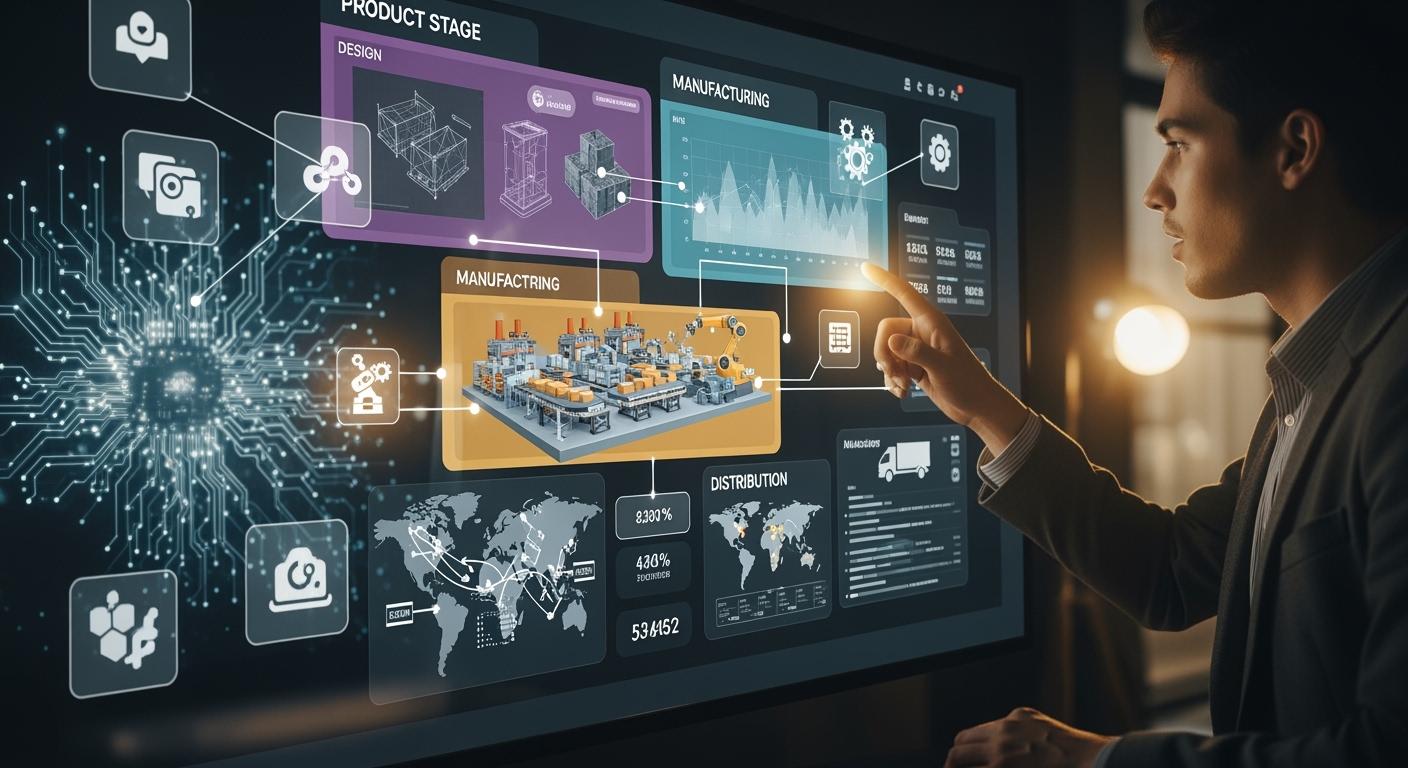
You experience faster product launches and smarter decisions when you use AI in Product Lifecycle Management. AI automates tasks and analyzes data from customer reviews, support tickets, and social media comments. You see key pain points and user needs without months of interviews. AI-powered tools sift through thousands of comments, highlight recurring complaints, and route insights to your team. This process helps you act quickly and improve your products.
Product Lifecycle Management And AI
What Is Product Lifecycle Management
You manage every stage of a product’s journey with product lifecycle management, or PLM. This process starts with an idea and ends when the product leaves the market. PLM helps you organize data, people, and processes so you can keep your product information safe and accurate. You use PLM to make sure your team works together and follows the right steps.
Here are the main parts of product lifecycle management:
| Core Component | Description |
|---|---|
| Systems Engineering (SE) | Focuses on meeting customer needs and coordinating the systems design process. |
| Product and Portfolio Management | Manages resource allocation and tracks progress on new product development projects. |
| Product Design (CAx) | The process of creating a new product to be sold by a business. |
| Manufacturing Process Management (MPM) | Defines how products are to be manufactured using various technologies and methods. |
| Product Data Management (PDM) | Captures and maintains information on products throughout their development and useful life. |
You use PLM to solve problems in manufacturing, design, and production. It helps you share information, improve product quality, and respond to customers faster. Companies like Humboldt Wedag and Kaeser Kompressoren use PLM to boost teamwork and speed up design.
Why AI Matters In PLM
AI changes how you manage products. You use artificial intelligence to automate tasks and make better decisions. AI tools help you find patterns in data, predict what customers want, and spot problems before they grow. For example, machine learning lets you forecast demand and improve your designs. Natural language processing helps you understand customer feedback from reviews and social media.
You can use AI to:
- Automate routine tasks, like document processing and change management.
- Analyze large amounts of data for trends and insights.
- Improve quality checks with computer vision.
- Suggest better materials or components for new products.
- Predict when machines need maintenance, reducing downtime.
Rolls-Royce uses AI to monitor engine performance and predict maintenance needs. This leads to fewer breakdowns and happier customers. When you use AI in PLM, you get faster time-to-market, higher product quality, and better teamwork across your company.
AI Across Product Lifecycle Stages

Ideation And Concept
You start the product lifecycle with ideation and concept. AI-powered tools help you generate ideas and spark creativity. Machine learning analyzes consumer behavior and market trends. You discover new opportunities for product development. Generative AI tools like ChatGPT and DALL·E create designs and concepts quickly. You use these tools to brainstorm and visualize new products.
- AI-powered tools boost creativity and provide data-driven insights.
- Machine learning uncovers trends and opportunities in the market.
- Generative AI creates ideas and designs in seconds.
You see how AI helps you move from inspiration to actionable concepts. You make smarter decisions and speed up the early stages of product lifecycle management.
Design And Development
You use AI to improve the design and development stage of the lifecycle. AI automates tasks and helps you evaluate design options. You reduce manual work and increase accuracy. Digital twins let you test products in virtual environments. You predict maintenance needs and refine designs based on real-world usage.
| Company | Measurable Outcomes | Description |
|---|---|---|
| Trace One | Reduced manual input by 60%, improved regulatory document completeness by over 30% | Implemented AI-based document processing to categorize supplier specifications, achieving faster onboarding. |
| Rolls-Royce | Reduced unscheduled maintenance by 30%, increased engine uptime | Used AI-enhanced digital twins to predict maintenance needs, refining future designs based on usage. |
| Eaton | 87% reduction in development time, higher design quality | Implemented AI-based generative design to automatically generate and evaluate design variants. |
You see measurable outcomes like faster onboarding, fewer maintenance issues, and higher quality designs. AI helps you create better products and shorten the product development cycle.
Manufacturing And Production
You use AI to optimize manufacturing and production. AI search tools help you find engineering data quickly. You avoid bottlenecks and speed up design cycles. AI identifies duplicate parts and assists in classification. You reduce costs and improve efficiency in product lifecycle management.
| AI Application | Description |
|---|---|
| PLM Search Tools | AI enhances search capabilities, allowing users to find relevant engineering data faster, thus reducing bottlenecks in design cycles. |
| Part Reuse and Classification | AI identifies duplicate parts and assists in classification, which helps reduce costs and improve efficiency in design. |
You access common data about inventory levels, production schedules, and environmental performance. AI improves decision-making and helps you achieve supply chain sustainability. You communicate and collaborate with supply chain partners about sustainability goals. Real-time data exchange between suppliers, manufacturers, and distributors supports compliance with evolving regulations.
- AI enables real-time monitoring of global regulatory databases.
- Automated classification and labeling based on predicted hazard profiles.
- Intelligent generation of Safety Data Sheets and documentation using natural language processing.
- Pre-screening of compounds for regulatory viability and identification of documentation gaps.
You use AI to support compliance and sustainability in manufacturing. You meet standards and reduce risks in the lifecycle.
Launch And Service
You launch products and manage service with AI. AI-driven recommendation engines personalize content and improve user engagement. Dynamic pricing tools help you optimize pricing strategies. AI-powered chatbots reduce response times and improve customer satisfaction. You analyze user feedback and prioritize features for future product development.
| Company | AI Application | Impact |
|---|---|---|
| Netflix | AI-driven recommendation engine | Personalizes content, driving over 80% of content watched, enhancing user engagement. |
| Airbnb | AI for dynamic pricing | Hosts see up to a 20% increase in bookings through optimized pricing strategies. |
| Zendesk | AI-powered chatbots for customer support | Reduces response times by up to 50%, improving customer satisfaction. |
| Productboard | AI to analyze user feedback and prioritize features | Helps companies like Zoom focus on valuable features, improving product decisions. |
| Mixpanel | Analyzes user behavior to optimize product offerings | Aids companies like Uber and Airbnb in improving user retention by 50%. |
You use AI to monitor product performance and respond to customer needs. You improve service and make better decisions throughout the lifecycle. AI helps you support compliance and sustainability by enabling real-time data exchange and collaboration. You stay ahead in product lifecycle management by using AI at every stage.
Artificial Intelligence Applications In PLM
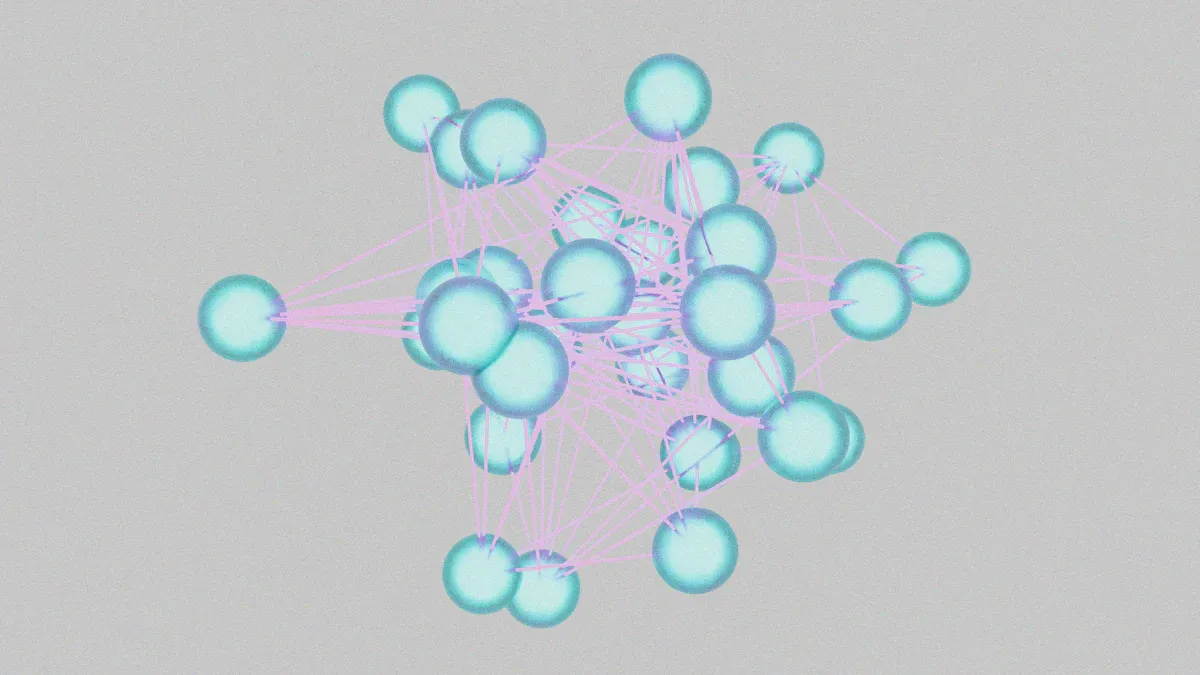
You see many powerful use cases for ai in product lifecycle management. These applications help you work faster, make better decisions, and improve your products. The table below shows some of the most impactful ai technologies and how you use them in PLM:
| AI Technology | Application Description |
|---|---|
| Machine Learning | You use it for predictive analytics and pattern recognition to guide your decisions. |
| Natural Language Processing | You analyze unstructured data and automate documentation for your product. |
| Robotic Process Automation | You automate routine tasks and manage changes in your product lifecycle. |
| Computer Vision | You automate quality checks and turn visual ideas into product designs. |
| Recommendation Systems | You get suggestions for reusable components and materials for new products. |
| Simulation and Optimization | You simulate product performance and optimize designs for better results. |
| Knowledge Graphs | You connect data for deeper insights and better search in your PLM system. |
Predictive Analytics
You use predictive analytics to understand trends and forecast demand for your product. This helps you plan inventory and reduce waste. Predictive analytics also improves operational efficiency by scheduling maintenance only when needed. You can steer investments and spot risks early. The benefits include:
- Better understanding of consumer behavior for targeted marketing.
- Accurate sales forecasts and cash flow predictions.
- Smoother operations with fewer supply chain disruptions.
- Smarter investment strategies.
- Lower risk of fraud and credit problems.
Generative Design
Generative design lets you create and test many product designs quickly. You use ai to find the best solutions without bias. This process saves materials and reduces costs. You can respond to customer needs faster and make lighter, stronger products. For example, General Motors used generative design to cut seat bracket weight by 40% and boost strength by 20%. Airbus and NASA also used ai to make lighter, more efficient parts and shorten design cycles.
Digital Twins
Digital twins give you a digital copy of your product. You collect real-time data from sensors and use it to improve design, manufacturing, and maintenance. You can test ideas before building anything. Digital twins help you schedule maintenance based on actual need, not just time. This reduces costs and keeps your product running longer.
Compliance Automation
You use ai to automate compliance tasks. This ensures your product meets regulations and keeps data safe. Real-time dashboards show your risk and compliance status. Ai-driven audits make your operations more efficient and help you spot problems before they grow. You keep your data clean and avoid using outdated information.
Smart Supply Chain
Ai helps you manage your supply chain better. You get more accurate forecasts and adjust your plans based on real-time trends. Ai finds risks early and helps you set the right stock levels. This reduces waste and supports your business goals.
Tip: Companies that use ai in product development launch products 30% faster and see 40% fewer bugs after release.
You can see how artificial intelligence transforms every stage of the product lifecycle. These use cases help you deliver better products, save money, and stay ahead in your industry.
Business Benefits And Implementation
Efficiency And Cost Savings
You gain measurable efficiency and cost savings when you use ai in plm. Automation frees up hours, allowing you to focus on higher-value tasks. You see faster cycle times and improved productivity. Many companies report a 30-50% increase in productivity during prototyping and code deployment. Over 90% of executives recognize ai's role in reducing costs. You scale operations without increasing headcount. The table below shows key metrics:
| Metric | Description |
|---|---|
| Cost of redeployed labor | Freed-up hours create ROI in higher-value activities. |
| Cycle-time acceleration | Shorter processes speed up strategic decisions. |
| Productivity increase | GenAI boosts productivity by 30-50%. |
| Cost reduction | Over 90% of executives see cost savings from automation. |
| Agency cost reduction | Generative ai lowers agency costs by 20-30%. |
| Unit cost efficiency | Transaction costs per invoice or report decrease. |
You also reduce external spend and content development costs. The price of creating an unbranded website article has dropped from over $20,000 to nearly free.
Innovation And Speed
You accelerate innovation and speed in product development cycles with ai. Automation enables rapid prototyping and streamlines testing. You minimize human error and ensure consistent quality. Predictive analytics provide insights at every stage, helping you make confident decisions. The table below highlights benefits:
| Benefit | Description |
|---|---|
| Faster Time-to-Market | Ai reduces development cycles and speeds up launches. |
| Improved Accuracy | Ai ensures consistency and minimizes errors. |
| Predictive Analytics | Ai delivers insights for data-driven decisions. |
| Enhanced User Experiences | Ai personalizes content and features based on user behavior. |
| Cost Savings | Ai reduces rework and manual labor, saving money. |
Sustainability
You improve sustainability in plm by using ai. Machine learning enhances life cycle assessment, making environmental impact analysis more accurate. Ai supports smart product design and real-time monitoring, helping you achieve circular economy goals. You optimize resource use and waste management, aligning with global efforts for eco-friendly production. Ai makes sustainable product lifecycle management possible by prioritizing operational efficiency and environmental responsibility.
Steps To Integrate AI In PLM
You can follow clear steps to integrate ai into plm:
- Understand: Define your problem, evaluate market analysis, and set success metrics.
- Specify: Outline system design, data collection, and data ingestion needs.
- Implement: Build early ai prototypes and integrate technology.
- Deploy: Launch models, monitor latency, check fairness, and address security threats.
- Optimize: Use validation data, customer feedback, and predictive insights to refine your approach.
Tip: Start with a readiness assessment and prepare your data. Choose the right tools and train your team for successful ai adoption in plm.
Challenges And Future Trends
Common Obstacles In AI Adoption
You may face several challenges when you try to bring AI into product lifecycle management. Many organizations struggle with a lack of a clear plan. Some teams do not have enough skilled people who understand data science or machine learning. Data can be messy, incomplete, or hard to find. Employees sometimes worry that AI will change their jobs or make them less important. You might also see problems when trying to connect new AI tools with old systems. Ethical concerns and trust issues can slow down progress. Here are some common obstacles:
- No clear roadmap for using AI in your business.
- Poor data quality or scattered information.
- Not enough skilled workers in AI and machine learning.
- Employees resist changes or fear job loss.
- Worries about fairness, privacy, and trust in AI.
- Trouble connecting AI with older software and systems.
- Overwhelmed by large amounts of data.
Solutions And Strategies
You can overcome these challenges with the right strategies. Start by investing in training for your team and working with experts. Use cloud-based AI tools to keep costs low and make scaling easier. Build a culture that welcomes new ideas and supports teamwork. Make sure your data is clean and well-organized. Stay up to date with rules and run regular checks to stay compliant. Here are some proven strategies:
- Train your team and bring in outside experts when needed.
- Choose cloud-based AI solutions to manage costs.
- Encourage innovation and open communication.
- Set up strong data management practices.
- Keep up with regulations and perform regular audits.
Tip: Start small with pilot projects before rolling out AI across your whole organization.
Emerging Trends In PLM
You will see new trends shaping the future of product lifecycle management. These trends help you work faster, make better decisions, and improve product quality. The table below highlights some of the most important trends:
| Trend | Description | Impact |
|---|---|---|
| AI-Powered Classification | Automates how you organize and label data. | Stops duplicate parts from being created. |
| Generative Design Integration | Creates many design options quickly. | Cuts down design time. |
| Predictive Quality Analysis | Spots risky parts before production. | Makes products more reliable. |
| Natural Language Interfaces | Lets you ask questions in plain language. | Makes PLM easier for everyone to use. |
| Automated Compliance Checking | Checks for rule violations automatically. | Speeds up reviews and lowers legal risks. |
| Closed-Loop Digital Twin | Uses real-time data to improve designs. | Helps you keep improving products. |
| AI-Driven Change Impact | Shows how changes affect your product. | Helps you make faster, safer decisions. |
Industry experts believe that AI will automate many tasks, letting you focus on creative and strategic work. You will see shorter development cycles and a greater need for people with deep AI skills. Companies that use AI can design, test, and improve products more efficiently than ever before.
You see how AI transforms product lifecycle management. You gain faster product launches, smarter decisions, and improved teamwork. The table below shows key business benefits you achieve with AI:
| Benefit Description | Impact |
|---|---|
| Automated change management | Reduces approval cycles by analyzing design changes instantly. |
| Smart recommendations | Provides data-driven product updates for sustainability. |
| Real-time compliance monitoring | Flags regulatory risks to prevent costly recalls. |
| Predictive maintenance insights | Extends product lifespans by identifying failure patterns. |
| Streamlined collaboration | Syncs teams on a single source of truth to eliminate chaos. |
| Future-proofed strategies | Uses lifecycle intelligence to predict market shifts. |
| Self-optimizing workflows | Allocates resources and flags bottlenecks proactively. |
To start your AI journey in PLM, follow these steps:
- Define your business problem and success metrics.
- Clean and prepare your data for modeling.
- Integrate AI models and monitor performance.
You stay ahead by using AI to analyze customer insights, personalize experiences, and drive ongoing success with data-driven recommendations. 🚀
FAQ
What is AI in Product Lifecycle Management?
AI in PLM means you use smart computer programs to help manage a product from idea to end of life. These tools help you make decisions, automate tasks, and improve product quality.
How does AI help you save time in PLM?
You save time because AI automates routine jobs. For example, AI can sort documents, check designs, and find problems faster than people. This lets you focus on important work.
Can AI improve product quality?
Yes! AI finds errors and suggests better designs. You use AI to test products in virtual worlds before building them. This helps you make safer and stronger products.
Is it hard to start using AI in PLM?
Tip: Start small. You can use simple AI tools first. Clean your data and train your team. As you learn, you can add more advanced AI features.
See Also
The Essential Advantages of SaaS WMS for Modern Warehousing
Utilizing AI for Effective Capacity Planning in Brands
Best Practices for Accurate Production Forecasting Using AI in 2024
Strategies to Ensure Your B2B Order Fulfillment Remains Relevant