
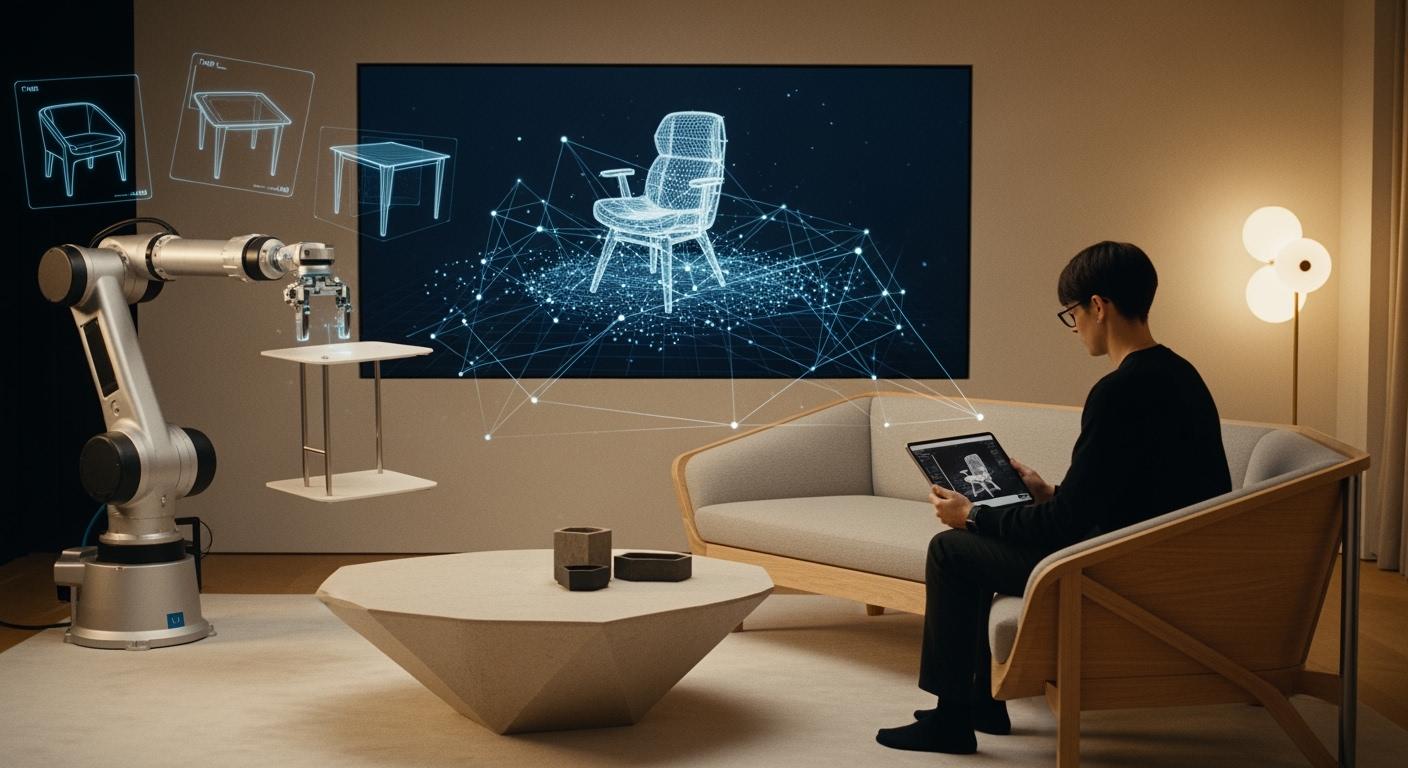
Generative AI is changing how you approach furniture and home design. You now have access to tools that make designing your space faster, easier, and more creative than ever. Take a look at how quickly the industry is growing:
| Statistic Description | Value |
|---|---|
| Year-over-year growth in AI-powered interior design software adoption | 45% in 2023 |
| Speed improvement of AI interior design algorithms | 80% faster than traditional methods |
| Homeowners aged 25-34 using AI interior design apps | 68% in 2024 |
With an app like Planner 5D or RoomGPT, you can try out new layouts, colors, and furniture styles in minutes. This shift means you do not need to be an expert to create a space you love.
Generative AI’s Impact on Furniture and Home Design
Changing the Interior Design Process
You see a big shift in how you approach interior design today. Generative ai gives you access to interior design tools that make the process faster and more creative. You can use an app to try out new layouts, colors, and styles without waiting for a designer to sketch each option. These ai interior design apps let you explore thousands of possibilities in minutes.
You notice that generative ai boosts creativity. It offers endless design variations, so you never run out of ideas. You can visualize concepts and simulate lighting conditions with high accuracy. You get to see how your furniture will look in your home before you buy it. Ai interior design tools automate tasks like measuring floorplans and generating renderings. This means you spend less time on repetitive work and more time making your space unique.
Generative ai also supports sustainability. You can create personalized solutions that match your needs. Ai interior design apps gather information on design trends and user preferences. You receive suggestions that fit your style and make your home feel special.
Tip: Try uploading a photo of your room into an ai interior design app. You will get instant suggestions for furniture placement, color schemes, and decor ideas.
You find that these tools make interior design more accessible. You do not need to be an expert. Generative ai enables language translation services, so you can use interior design apps in your preferred language. Automated testing tools help you check if your space meets accessibility standards. New web interfaces let you shop for furniture and design your home online, even if you face accessibility challenges.
Differences from Traditional Design Methods
You notice clear differences between traditional interior design and generative ai design methods. Here is a quick comparison:
| Aspect | Traditional Design Process | Generative AI Design Process |
|---|---|---|
| Approach | Starts with a concept and refines it | Defines performance requirements and explores options |
| Exploration of Concepts | Limited to a few iterations | Explores thousands of possibilities |
| Automation | Minimal automation, relies heavily on manual input | Automates creation of optimized designs |
| Customization | Less flexible, often requires significant revisions | Enhances customization and performance optimization |
You see that generative ai interior design tools accelerate product development. They automate the creation of optimized designs. You can customize your space more easily and improve performance. Ai interior design apps reduce repetitive tasks, so you focus on creativity.
Generative ai-driven design methods differ from traditional workflows in many ways. Traditional design workflows are sequential and iterative. You move from one phase to the next, which takes time. Generative ai lets you explore multiple concepts at once. You get real-time feedback and minimize errors early. You see a vast range of design options generated quickly. Development time and costs drop because you do not need as many physical iterations.
You find that generative ai interior design tools use natural language processing. This makes the design process more intuitive. You can describe what you want, and the app creates options for you. The transition from traditional workflows to generative ai represents a big evolution. You rely less on manual creativity and more on ai-driven innovation. This shift enhances efficiency and fosters new ideas.
Note: Generative ai interior design apps help you discover styles you might not have considered. You can experiment with bold colors, unique layouts, and new furniture types.
You see that generative ai interior design tools democratize the design process. You get access to powerful tools that were once reserved for professionals. You can design your home, customize furniture, and visualize your ideas with just a few taps. The landscape of interior design is changing, and you are at the center of it.
Rapid Design Creation with AI
Speed and Creativity in Design
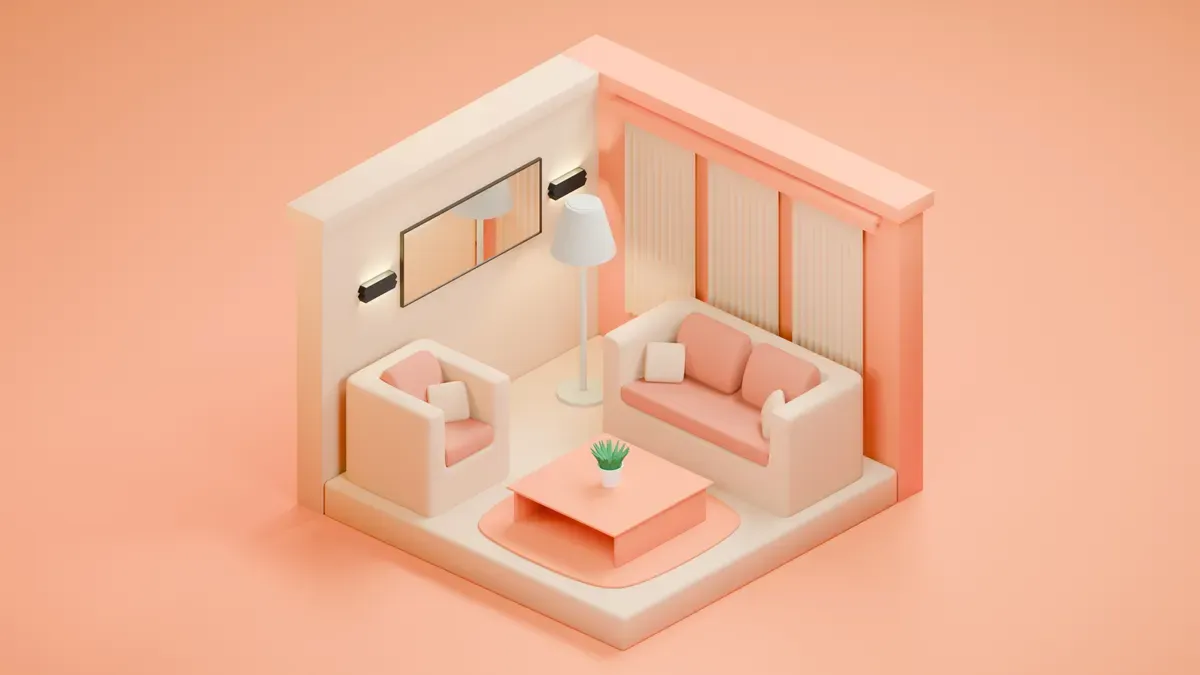
You want to see your floor plan come to life fast. Generative ai makes that possible. You open an app and start with your floor plan. The app lets you try out unique designs in seconds. You can switch between floor layouts, move walls, and add furniture. You see instant changes on your floor plan. The app uses generative ai to create unique floor plans and unique designs for every room. You do not wait for sketches. You get 3d interior modelling right away. The app shows you unique designs for your floor plan and helps you pick the best one.
You notice that ai speeds up the process. Simpli Home’s CEO says product ideation apps help teams align faster with visual concepts. Lineage Collections reports that ai accelerates product development imaging tenfold. You get instant suggestions and visualizations based on your floor plan. The app creates lifelike 3d models so you can see unique designs without changing your floor plan physically. You finish your floor plan project much quicker.
Tip: Try uploading your floor plan into an app. You will see unique designs and 3d models for your floor plan in seconds.
Expanding Unique Style Options
You want your floor plan to stand out. Generative ai gives you unique designs for every floor plan. The app lets you explore unique styles and unique layouts. You can switch between unique themes in under 10 seconds. The app keeps your floor plan structure but transforms the look. You see unique designs for your floor plan and furniture placement. The app analyzes your floor plan and optimizes layouts for a perfect fit.
Generative ai boosts creativity and diversity in design outputs. Writers who used generative ai saw creativity jump by 10-11%. You get more unique designs and enjoy the process. The app gives you true-to-scale visualizations for your floor plan. You do not guess where to put furniture. You see unique designs for your floor plan and make quick changes.
- You can:
- Visualize multiple floor plans at once
- Apply unique design options to your floor plan
- Try unique furniture layouts for your floor plan
- Use 3d interior modelling for unique designs
You find that generative ai apps make your floor plan journey fun and creative. You get unique designs for your floor plan every time you use the app.
Personalization in Home Design
Customizing for Individual Needs
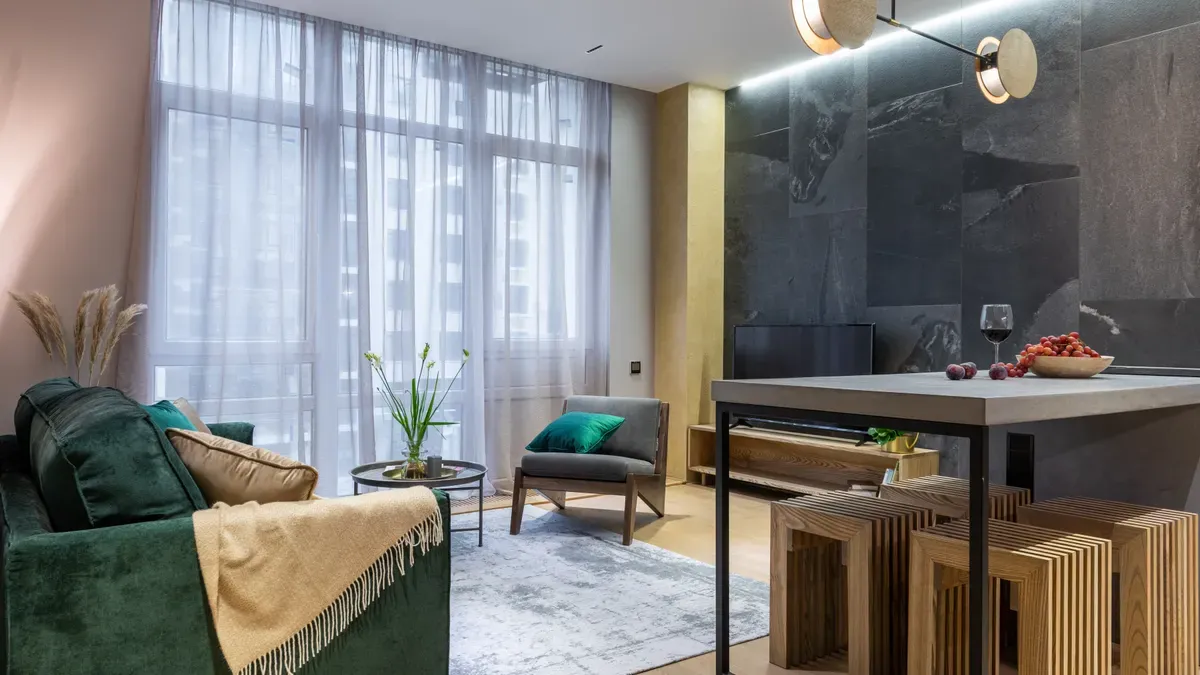
You want your home to reflect your style. Generative ai makes that possible. You can use an interior design app to upload photos of your room. The app looks at your space and gives you personalized designs. You get suggestions for furniture, colors, and layouts that fit your needs. The app uses generative ai to study your preferences and create unique options.
Many ai-powered platforms offer features that help with customization. Take a look at this table to see how these features work for you:
| Feature | Description |
|---|---|
| Adaptive Learning Paths | Adjusts suggestions based on your choices and style. |
| AI-driven Recommendations | Gives you ideas for furniture and decor that match your taste. |
| Personalized Feedback | Offers real-time advice to improve your design experience. |
| Dynamic Content Personalization | Changes design options based on your likes and engagement. |
| Custom Content Creation | Lets you upload photos or create designs for your own space. |
| Analytics and Reporting | Shows you progress and helps you track your design journey. |
You see how generative ai and automation make customization easy. You get designs that fit your life. You can change layouts, colors, and furniture with just a few taps in the app. The app gives you 3d models so you can see your choices before you decide.
Enhancing User Experience
You want the design process to feel simple and fun. Generative ai makes interior design more interactive. You use an app to explore different styles and layouts. The app responds to your feedback and updates your options. You see 3d models of your room and try new designs without moving anything.
The app gives you instant feedback. You can ask for new ideas or change your plan. The app listens and adapts. You feel in control of your design journey. Generative ai and automation help you make quick decisions. You get a better experience every time you use the app.
Tip: Try using an interior design app to see how generative ai can create personalized designs for your space. You will enjoy the experience and discover new possibilities.
Optimizing Aesthetics and Functionality with AI
Balancing Form and Function
You want your furniture to look good and work well. Generative ai helps you find that sweet spot between style and functionality. When you use an app, you can see how a chair fits your room and supports your back. Smart, connected furniture uses IoT to give you real-time feedback about comfort and environmental controls. You get to customize pieces so they match your style and fit your needs.
Generative ai uses machine learning to tailor furniture to your body and taste. You can pick materials that are strong and flexible. Hybrid materials let you enjoy both durability and beauty. Circular economy design means you get furniture that lasts and can be repaired. You do not have to sacrifice looks for functionality. The app shows you creative solutions that balance both.
- Smart, connected furniture gives ergonomic feedback.
- AI-driven customization matches your style and needs.
- Durable, repairable pieces support reuse and sustainability.
- Hybrid materials offer strength and versatility.
You see how generative ai makes interior design more personal and practical. The app lets you try different layouts and decor options. You can use 3d models to check how everything fits and works.
Data-Driven Design Choices
You want to make smart decisions when you design your space. AI gives you access to tons of data. The app analyzes your preferences, market trends, and material performance. You get suggestions that make your home look great and work better.
Designers use data to justify their choices. You can see why a certain decor style fits your needs. The app uses user feedback and social listening to improve product development. You get faster results and more options.
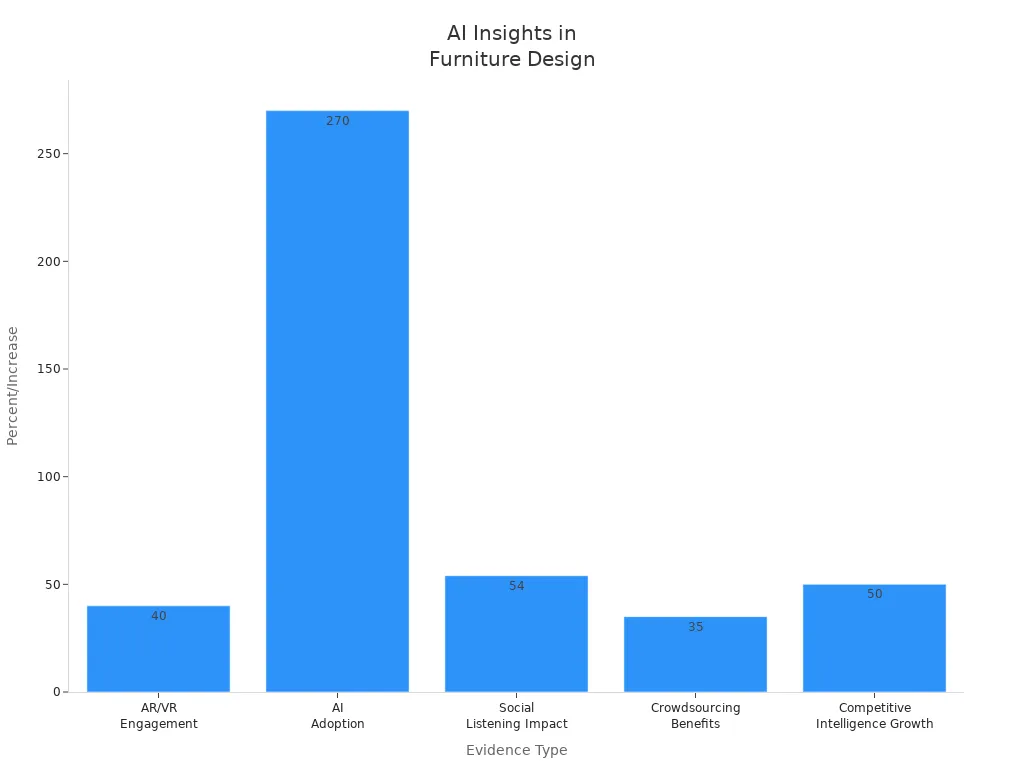
| Evidence Type | Statistic/Insight | Source |
|---|---|---|
| User Feedback Utilization | Platforms like Productboard and UserVoice enhance product development through direct user feedback, reducing guesswork. | Zigpoll |
| AR/VR Engagement | 40% of online furniture shoppers are more likely to purchase after using AR visualization. | Statista |
| AI Adoption | 270% increase in AI use for product innovation from 2020 to 2023. | Gartner |
| Social Listening Impact | 54% of companies using social listening improved product development cycles by 20-30%. | Brandwatch |
| Crowdsourcing Benefits | Furniture brands leveraging user feedback achieve a 35% reduction in time-to-market. | Productboard |
| Competitive Intelligence Growth | Use of competitor monitoring tools increased 50% over two years among mid-sized furniture companies. | Zigpoll |
- AI lets you see how people react to decor and layout.
- Generative ai forecasts trends and helps you pick the best options.
- The app uses 3d models to show you how your choices look and feel.
Tip: Try using an app that analyzes your feedback and shows you new decor ideas. You will discover designs that fit your lifestyle and boost functionality.
Real-World Applications of Generative AI
AI Tools in Interior Design
You see more apps and tools popping up every day in the interior design world. These apps help you turn your ideas into real spaces. You can use them to create 3d models, test layouts, and try new styles. Here are some of the most popular ai tools you might use:
- VisualizeAI
- RoomsGPT
- HomeVisualizer
- Homestyler
- Collov.ai
These tools make the design process easier. You get inspiration, quick visualization, and final presentation visuals. You can use an app to scan your room, upload a photo, and see instant changes. The app learns from your choices and gives you smart suggestions. You save time and get better results.
Success Stories in Home Design
You want to know how generative ai works in real life. Many platforms help you visualize and shop for home goods. Take a look at this table to see how some apps work:
| Platform | Key Features |
|---|---|
| Wayfair Decorify | Shoppable restyling, links to purchasable products, transforms user-uploaded photos into design concepts. |
| Planner 5D | 2D and 3D floor plan creation, AI Floor Plan Scanner, cross-platform syncing. |
| REimagineHome | Virtual staging, batch processing, shoppable furniture links on some renders. |
You can use Wayfair Decorify to see how real furniture looks in your home. The app links design concepts to home goods you can buy. Planner 5D lets you test layouts and visualize furniture placement with 3d models. REimagineHome offers virtual staging and some shoppable links for goods.
Here’s a real success story:
| Company | Tool Used | Description |
|---|---|---|
| Wayfair | Decorify | You upload a photo of your space. The app generates images of real products in different styles. You see how goods look before you buy. |
You get measurable benefits from using ai tools in your design projects:
- Hyper-personalization gives you tailored content and experiences.
- Predictive capabilities help you find goods before you ask.
- Data-driven decisions use real-time analytics for smarter choices.
- Design efficiency speeds up prototyping and iteration.
- Enhanced accessibility adapts interfaces for your needs.
Tip: Try using an app that links design concepts to shoppable goods. You can see how furniture fits your space and buy what you love.
Comparing AI and Traditional Design Workflows
Efficiency and Collaboration
You want your design process to move fast and feel easy. AI-powered workflows help you do just that. You see tasks finish quicker and with fewer mistakes. Take a look at this table to see how AI compares to traditional methods:
| Metric | Traditional Workflow Systems | AI-Driven Workflow Systems |
|---|---|---|
| Processing Speed | 40–60% faster for standard tasks | 70–90% efficiency gains by removing whole categories of work |
| Error Reduction | Reduces errors for standard cases | 76% total error reduction by handling exceptions smartly |
| Scalability | Scales with more investment | Scales exponentially as the system learns from more data |
| Cost Impact | 20–40% cost reduction | 50–80% cost reduction with better capabilities |
You notice that AI lets you create more options without needing a bigger team. It automates boring tasks, so you spend more time on creativity. You can show clients extra choices and make changes quickly. AI also helps you organize messy information and summarize notes. This makes it easier to understand what your project needs.
AI design tools boost collaboration. You and your team can share feedback and ideas faster. Rapid prototyping lets you try many variations in a short time. Designers and data engineers work together to collect and analyze data, making the design process smarter.
"The key difference is that traditional automation moves the human-in-the-loop later in the process, while AI automation fundamentally reduces the need for human intervention." – Lleverage
Overcoming Design Challenges
You face many challenges in furniture and home design. AI helps you solve them with smart solutions. Here’s a table showing how AI tackles common problems:
| Challenge | Solution Provided by AI |
|---|---|
| Personalization | Tailored suggestions based on your preferences and space |
| Space Optimization | Recommendations for furniture arrangement and storage |
| Material Selection | Predicts textures, colors, and finishes that work well |
| Sustainability | Suggests eco-friendly materials and energy-efficient designs |
AI streamlines the creation of personalized and functional spaces. It analyzes your likes and needs, then suggests layouts, color palettes, and decor that match your style. Virtual staging lets you see realistic images of your room before you move anything.
You get help with creative blocks, too. AI generates many ideas and quick variations, so you never run out of options. It automates tasks like resizing and layout adjustments, helping you manage your time. AI speeds up early-stage research by processing lots of information fast. You can focus on making your space unique and practical.
- AI lets you:
- Show clients more options without extra work
- Automate boring tasks and focus on creativity
- Organize information and summarize notes
- Generate quick variations for prototyping
- Overcome creative blocks with fresh ideas
You see how AI-powered workflows make your design journey smoother and more fun. You get better results and enjoy the process.
The Future of Generative AI in Home Design
Trends and Innovations
You see generative ai changing the way you use an app for interior design. The next five years will bring even more exciting trends. Take a look at this table to see what’s coming:
| Trend Description | Implication for Home Design |
|---|---|
| Increased demand for creative talent in design | Companies will invest in generative ai to enhance collaboration and innovation in home design projects. |
| Cost-effective product design processes | Generative ai can help designers create predictive visuals, reducing time and costs in home design. |
| Automation in architecture and interior design | AI can optimize layouts based on space and client needs, improving efficiency in home design. |
| Overcoming creative blockages | Generative ai can assist designers in generating new ideas and concepts, enhancing the creative process in home design. |
You will notice apps using generative ai to suggest furniture layouts and color palettes based on your style. Virtual staging lets you see your room in 3d before you move anything. Apps help you optimize space in small apartments and offices. Sustainability matters more now, so ai recommends eco-friendly materials and energy-saving designs. Parametric design blends algorithms with creativity, giving you innovative structures. Deep learning and GANs let apps create personalized design schemes. Virtual reality makes the design process immersive, so you can change your space in real time. IoT connects smart devices, making your home more responsive.
Challenges and Opportunities
You might face some challenges when using generative ai in an app for interior design. Sometimes you feel you lack control over ai outputs. Human intuition is hard to replace. Integrating ai with your current workflow can be tricky. Ethical questions come up, and you may worry about job security. High costs and data security risks can slow adoption. Software integration and finding trained professionals are also tough.
On the bright side, generative ai gives you many opportunities. Apps suggest furniture layouts and color palettes tailored to your taste. Virtual staging lets you see spaces before you set them up. Advanced models create new visual assets, like custom furniture or unique room layouts. Tools such as Midjourney and DALL·E help you prototype ideas from simple prompts. AI-driven virtual assistants analyze your daily schedule and automate smart home features. You get a living environment that fits your lifestyle. Apps generate high-quality images to help you visualize concepts before you buy. AI automates lighting, temperature control, and furniture placement, making your home comfortable and functional.
Tip: Try using an app with generative ai to see how it can transform your interior design experience. You will discover new possibilities and enjoy a smarter, more creative process.
You see how generative ai changes the way you design your home. It boosts creativity, helps you personalize every space, and makes your ideas come alive in any app. Both professionals and everyday users get unique benefits:
| User Type | Benefits of Generative AI in Home Design |
|---|---|
| Professionals | Use ai for complex projects and explore many solutions quickly. |
| Everyday Users | Get creative options fast and enjoy a more interactive experience. |
You can try tools like Recraft’s AI Image Generator or other ai-assisted apps to start your own design journey. Check out tutorials and guides to find the best fit for your needs.
FAQ
What is generative AI in furniture design?
Generative AI uses smart computer programs to help you create new furniture and room layouts. You can try different styles and see how things look before you buy or move anything.
Can I use AI tools if I am not a designer?
Yes! You do not need special skills. AI apps let you upload photos, pick styles, and get instant suggestions. You can design your space with just a few taps.
How do AI design apps help me save time?
AI apps give you quick ideas and show you many options fast. You do not wait for sketches or long meetings. You can see changes in seconds and make decisions right away.
Are AI-generated designs customizable?
You can change colors, layouts, and furniture in most AI apps. The tools learn your style and give you choices that fit your needs. You get a space that feels personal.
Is it safe to use AI for home design?
Most AI apps protect your data and keep your photos private. You should check each app’s privacy policy before you upload anything. If you have questions, ask the app’s support team.
See Also
Innovative AI Fashion Solutions for Sustainable Living
The Role of AI in Managing Fast Fashion Trends
Machine Learning's Impact on Fashion Trend Predictions