
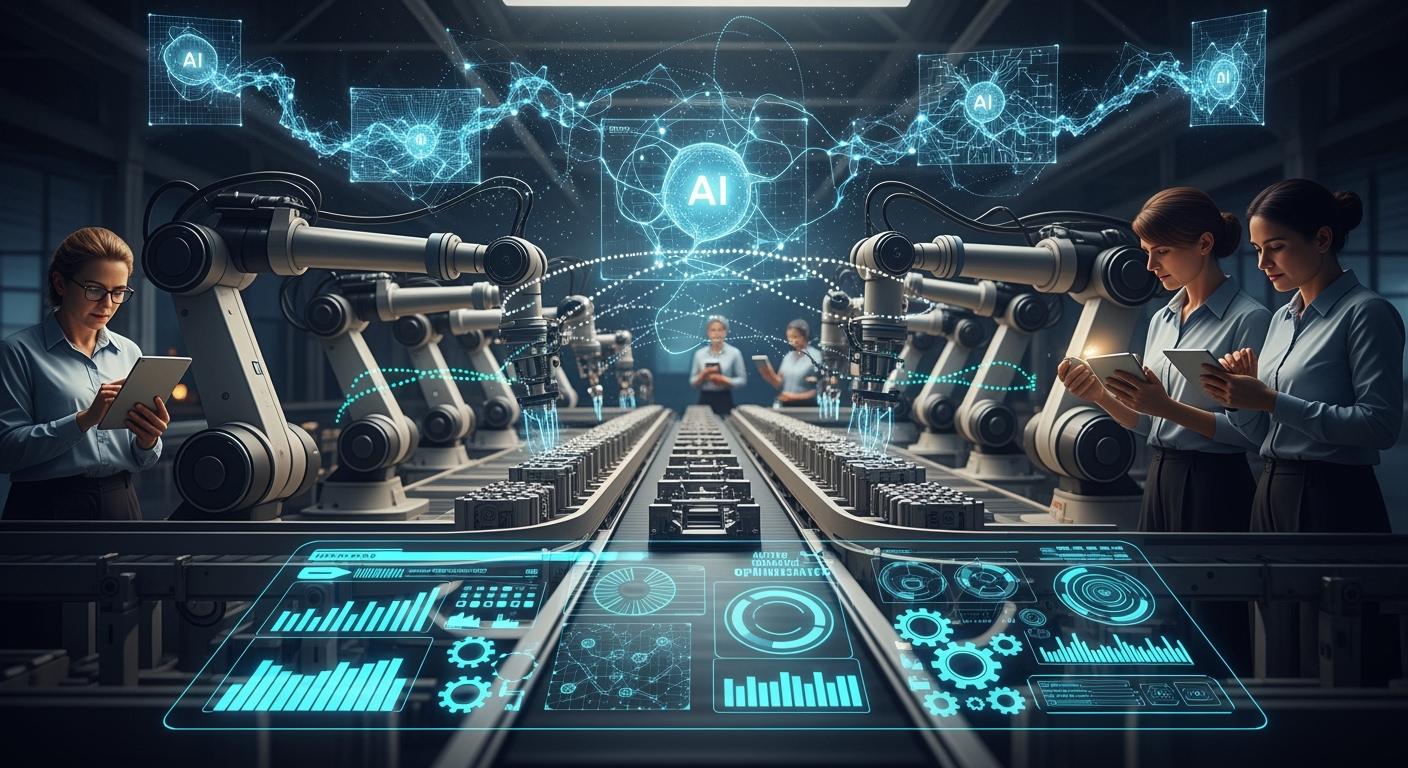
AI agents transform how you approach manufacturing. You can automate routine tasks, make faster decisions, and boost productivity. Many manufacturers now report up to 43% efficiency improvements and average annual savings of $2.3M for each agent they use. The results speak for themselves:
| Statistic | Description |
|---|---|
| Cost Reductions | Many organizations see big cost reductions, especially from predictive maintenance. |
| Increased Production Capacity | AI helps you raise your production capacity by making operations more efficient. |
| Value of Predictive Maintenance | You can measure real value by cutting downtime with AI-powered maintenance. |
You see real, measurable gains when you bring AI agents into your operations.
AI Agents in Manufacturing Operations
What Are AI Agents?
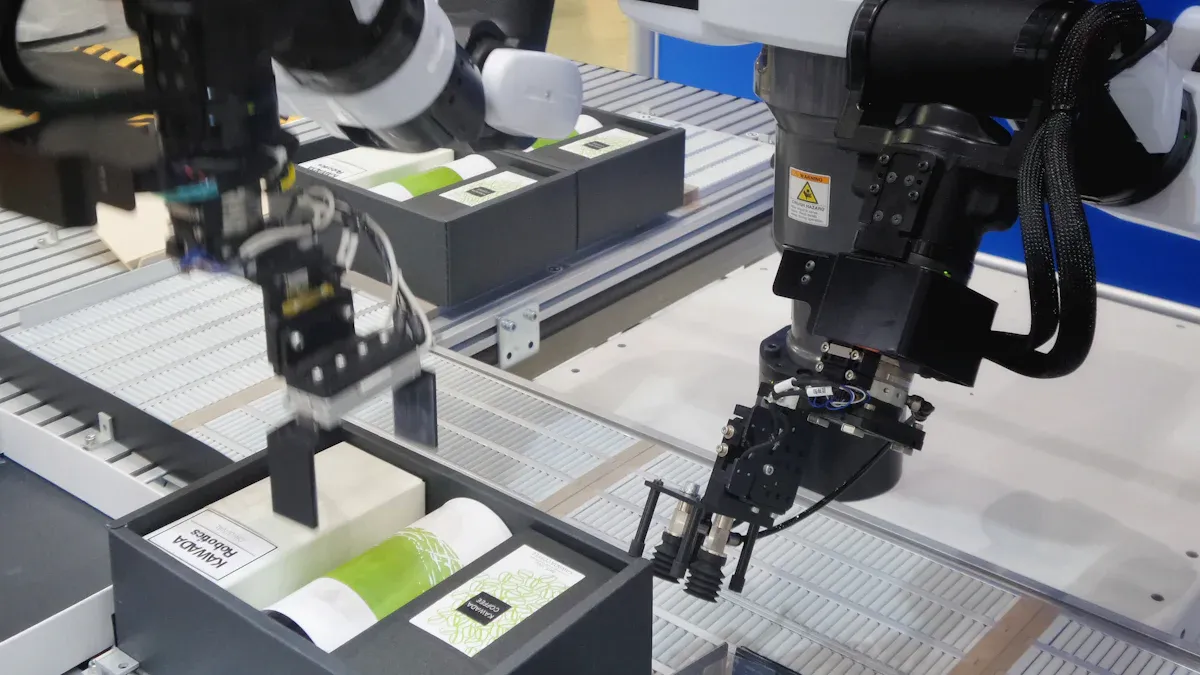
You can think of AI agents as advanced digital helpers in manufacturing. These systems do more than follow simple rules. They can perform complex tasks on their own and make decisions without waiting for human input. AI agents adapt to changes on the factory floor and learn from every interaction. This makes them different from older automation tools. For example, an AI agent can spot a problem in a machine, plan the best way to fix it, and even adjust its approach if something changes.
AI agents in manufacturing operations stand out because they handle specific tasks, share information with other agents, and keep improving over time.
| Feature | Description |
|---|---|
| Specific Task Handling | AI agents manage tasks like responding to alerts or adjusting machines. |
| Coordination | They work together and share context to reach bigger goals. |
| Adaptability | AI agents learn from new situations and optimize how things run. |
Core Capabilities in Manufacturing
AI agents bring intelligence right into your manufacturing operations. They use real-time data and machine learning to guide decisions and actions. You get predictive inventory management, adaptive production plans, and instant feedback on the shop floor. These agents can read production goals, learn from live data, and change their strategies as needed. They also help your team by giving clear guidance and reducing the mental load.
- AI agents can:
- Make step-by-step plans for tasks.
- Use both short-term and long-term memory to improve over time.
- Coordinate with other agents for better results.
Key Impact Areas
AI agents touch many parts of manufacturing. You will see the biggest changes in these areas:
- Predictive maintenance: AI agents watch machines and predict when repairs are needed, so you avoid breakdowns.
- Quality control: They use computer vision to check products and catch defects, often with over 99% accuracy.
- Supply chain optimization: AI agents track inventory and forecast demand, helping you respond quickly to changes.
- Factory automation: Robots powered by AI agents adjust to new production needs.
- Energy and resource use: AI agents monitor and optimize energy use, saving money and supporting sustainability.
- Digital twins: They create virtual models of your factory to test changes before you make them.
AI agents use automation, data, and learning to make your manufacturing operations smarter and more efficient.
Benefits of AI Agents
Workflow Automation
You can transform your business processes with workflow automation powered by ai agents. These digital helpers take over repetitive tasks, so you spend less time on manual work. When you automate order management or quality checks, you reduce errors and speed up production. Ai-powered workflows help you make better decisions by using real-time data from across your manufacturing operations.
Ai agents eliminate manual steps, lower error rates, and accelerate business processes. You get more time to focus on innovation and complex decision making.
Here is how leading companies use agent-based workflow transformation to boost productivity:
| Company | Application Area | Benefits |
|---|---|---|
| Siemens | Predictive Maintenance and Energy Management | 15% increase in asset uptime, reduced unplanned outages, optimized energy consumption. |
| GE | Manufacturing and Supply Chain Optimization | Reduced unplanned downtime by 10%, 20% reduction in inventory costs, improved operational efficiency. |
| BMW | Robotic Process Automation and Quality Control | Reduced production times, improved consistency, lower defect rate, enhanced product quality. |
| Toyota | Predictive Maintenance and Process Optimization | N/A |
You see the transformation in your daily work. Ai agents automate order management, monitor machines, and guide your team through each step. This leads to faster business processes and higher productivity.
- Ai agents automate repetitive tasks, so you need less manual intervention.
- They process data in real time, which lowers the chance of human error.
- Ai agents combine information from many sources, helping you make accurate decisions.
- Predictive maintenance spots problems early, so you avoid costly downtime.
- Quality control systems catch defects before products leave the factory.
Efficiency and Cost Reduction
Ai agents drive measurable transformation in manufacturing by cutting costs and boosting productivity. You can see the impact in your bottom line. Ai-first workflow execution means you use fewer resources and get more done.
| Downtime Cost | ROI (3-year cumulative) | Description |
|---|---|---|
| $100K/hour | 28.8X | Best Case for automotive |
| $50K/hour | 14.4X | Base Case (typical) |
| $20K/hour | 5.8X | Conservative (low) |
Organizations often achieve 200-400% ROI from ai agent adoption. Typical results include:
- 200% improvement in labor efficiency
- 50% reduction in agency costs
- 85% faster review processes
- 65% quicker employee onboarding
You also see big drops in waste and resource use. Ai agents help you optimize energy use and minimize surplus materials. Here are some results from manufacturers:
| Metric | Result |
|---|---|
| Reduction in material purchases | Achieved through AI-driven optimization |
| Reduction in surplus materials | Enabled by precise forecasting |
| Lower disposal fees | Resulting from reduced waste |
| Internal reuse opportunities | Identified through AI analysis |
| Return on investment | Strong within months |
You can expect:
- 40% operational savings
- 29% better resource utilization
- 33% reduction in idle time costs
- 15–25% improvement in Overall Equipment Effectiveness (OEE)
- 20–30% gains in throughput
- 18–25% better machine utilization
This transformation leads to higher productivity, lower costs, and more efficient business processes.
Adaptability and Collaboration
Ai agents bring real-time adaptation to your manufacturing operations. They adjust quickly when conditions change. For example, if a supplier has a delay, ai agents link delivery patterns with production schedules and suggest new plans. They assign resources based on what is happening on the shop floor, so you always use your equipment and people in the best way.
- Ai agents run simulations to prepare for disruptions. They adjust schedules and move resources when demand spikes.
- They monitor equipment health and suggest maintenance during planned downtimes.
- The system can propose new sourcing options if supply chain issues appear, keeping production on track.
You also see a transformation in how people and machines work together. Ai agents act as partners, letting you focus on strategy and innovation. They process data fast, so you can make decisions right away. Ai agents help you manage inventory, forecast disruptions, and improve your response to the market.
- Ai agents support collaboration by combining their insights with your expertise.
- They help you prevent production disruptions by predicting maintenance needs.
- Companies using ai forecasting models see better accuracy and fewer stockouts.
This new way of working boosts productivity, supports innovation, and keeps your business processes running smoothly.
Use Cases in Manufacturing Operations
Predictive Maintenance
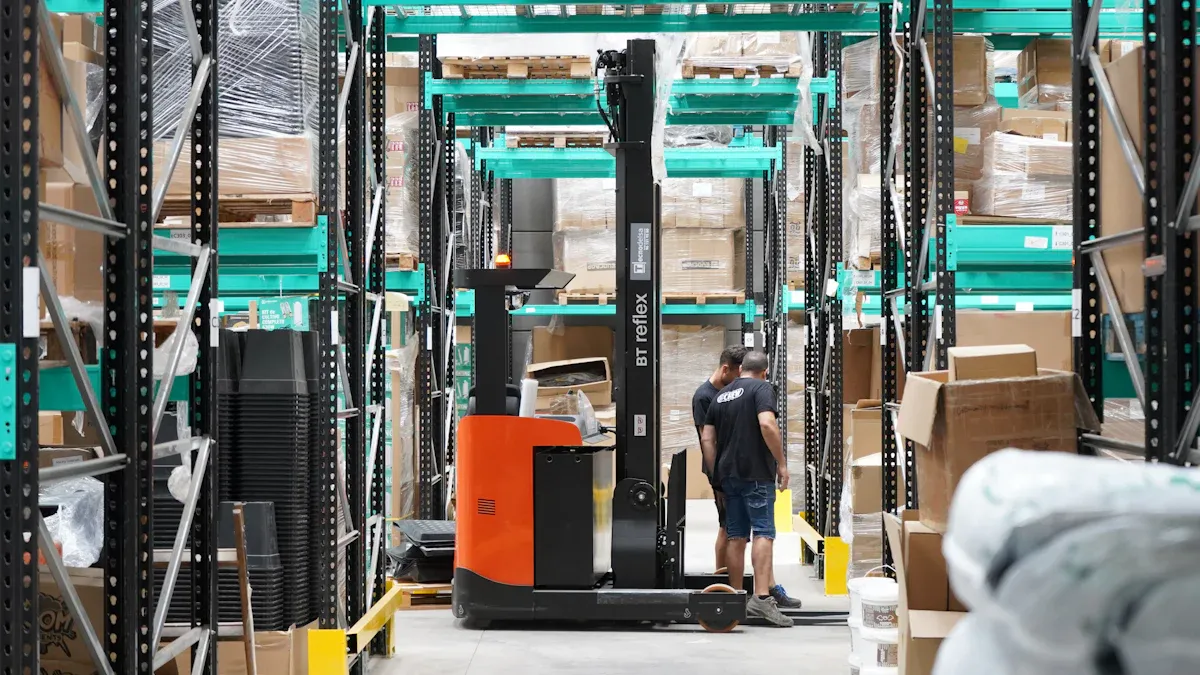
You can use predictive maintenance to keep your machines running longer and avoid costly breakdowns. AI agents monitor sensors and analyze data from your equipment. They spot signs of wear and alert you before a failure happens. Siemens uses this approach to schedule repairs and prevent downtime. When you switch from reactive to proactive maintenance, you see fewer breakdowns and better asset visibility. Many manufacturers report a 45% reduction in downtime and a 30% cut in maintenance costs. You also extend equipment life by up to 25%.
60% of manufacturers now use proactive strategies, and 88% of them see improved uptime and agility.
Smart Scheduling and Inventory
Smart scheduling helps you plan production and deliveries with precision. AI agents track inventory levels and consumption rates. They recommend when to order materials and how much to buy. You avoid stockouts and keep your production lines moving. Walmart saw a 30% drop in inventory costs and a 15–25% decrease in stockouts after using AI-powered systems. You can maintain lean inventories and improve cash flow.
- Manufacturers experience:
- Significant reductions in carrying costs
- Near-elimination of stockouts
- Better cash flow
- Leaner inventories without losing production capacity
AI agents automate order placement and update stock levels in real time. This automation saves time and reduces errors. You get just-in-time inventory management, which lowers storage costs and prevents overstocking.
Quality Control Automation
Quality control automation lets you catch defects early and improve product quality. AI agents review inspection photos and analyze camera feeds. They identify flaws and alert supervisors right away. A Tier 1 automotive supplier reduced paint defects by 35%, saving $1.2 million each year. You can expect a 20–60% reduction in defects and faster inspection times.
AI agents process large amounts of data quickly and shift quality control from reactive to predictive. They help you spot problems before they reach customers.
Vision AI Inspection Agents and adaptive testing frameworks support your team. You see higher throughput and lower manual inspection costs.
| Impact Area | Improvement Percentage |
|---|---|
| Reduction in defects | 70–90% |
| Higher throughput | 20–40% |
| Lower inspection costs | 30–50% |
You gain better quality and efficiency in your manufacturing operations.
Implementing AI Agents
Adoption Steps
You can follow a clear path to bring AI agents into your operations. Start with a strong plan and move step by step. Here is a recommended approach:
- Roll out the AI agent in your production environment. Make sure you provide clear instructions and training for your team.
- Track how the agent performs. Gather feedback and look for ways to expand its use.
- Set up rules and oversight to keep the AI agent safe and effective.
- Build a secure system that lets agents work across different tools and machines.
- Design easy ways for people to interact with the agent.
- Grow your team’s skills through training and sharing knowledge.
- Keep improving the system by checking results and making updates.
- Help your team adjust to changes by managing the process carefully.
- Use parts of the system that you can reuse to make future projects faster.
Tip: Define clear boundaries for what the AI agent can do on its own. For important tasks, keep a human in the loop.
Practical Considerations
You may face some challenges when you add AI agents to your business. These can include technical, organizational, and human issues. The table below shows common problems and how you can solve them:
| Challenge Type | Description | Solutions |
|---|---|---|
| Technical Infrastructure Challenges | Poor data quality or hard-to-connect systems can slow you down. | Build strong systems and monitor them often. |
| Organizational Design and Governance | Lack of clear rules can make it hard to use AI well. | Set up clear rules and centers of excellence. |
| Financial Investment and ROI Challenges | High costs and unclear returns can cause delays. | Use new ways to measure value and success. |
| Human Factors and Change Management | People may worry about job changes or new ways of working. | Offer training and support to help your team adapt. |
| Security, Privacy, and Compliance | Keeping data safe and following laws is important. | Use strong security and follow all rules. |
| Vendor Dependencies and Technology Risks | Relying on one vendor can be risky. | Make sure your system is easy to check and explain. |
You should also use best practices for connecting AI agents to your systems. Use tools that move data safely, set up dashboards to watch agent actions, and plan for both real-time and batch work. Always keep your system secure and easy to update.
Measuring Results
You need to measure how well your AI agents work. Use key performance indicators (KPIs) to track progress. Here are some important KPIs:
| KPI Category | Description |
|---|---|
| Task-specific/accuracy KPIs | Check if the agent does its main job well. |
| Efficiency KPIs | See how fast and resourceful the agent is. |
| User experience KPIs | Measure how people feel about working with the agent. |
| Cost-related KPIs | Track savings and return on investment. |
You can also look at numbers like task completion rate, error rate, and how often humans need to step in. Many companies see 15–35% lower costs and 20–40% better efficiency. Most reach payback in 6–18 months. Track these results to show the value of AI agents in your manufacturing business.
You can transform your manufacturing operations with AI agents. These tools cut downtime, improve quality, and boost productivity. See the impact:
| Benefit | Typical Impact |
|---|---|
| Unplanned downtime | -40% |
| Quality escapes | -30% |
| Inventory costs | -12% |
| Warranty claims | -22% |
| Labor productivity | +18% |
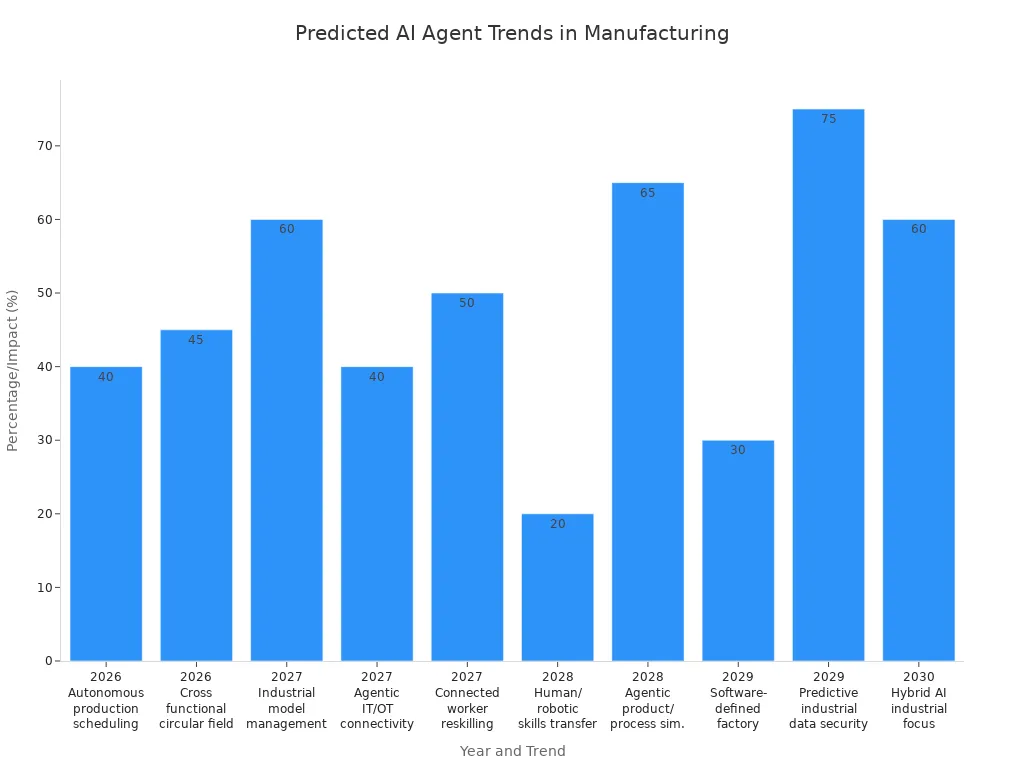
To get started:
- Define your goals.
- Check your data.
- Pick the right partners.
- Build skills.
- Launch a pilot.
- Keep learning and improving.
You can learn more from these resources:
- Mastering AI Agents: The 10 Best Free Courses, Tutorials & Learning Tools
- What is agentic AI?
- How to Build an AI Agent
FAQ
What is the main difference between AI agents and traditional automation?
AI agents can learn and adapt. Traditional automation follows fixed rules. You get more flexibility and smarter decisions with AI agents.
How do AI agents improve safety in manufacturing?
AI agents monitor equipment and alert you to risks. They can stop machines if they detect danger. This helps you prevent accidents and protect workers.
Do you need advanced technical skills to use AI agents?
You do not need to be an expert. Many AI agent tools have user-friendly interfaces. You can learn basic controls with training and support.
How quickly can you see results after adopting AI agents?
You often see improvements within a few months. Many companies report faster production, fewer errors, and lower costs soon after starting.
See Also
Utilizing AI To Improve Production Forecasting Precision In 2024
Accelerating Market Entry: AI's Role In Shortening Lead Times
Capacity Planning Enhanced By AI For Modern Brands
Boosting Efficiency Through Intelligent Ecommerce Warehouse Solutions