
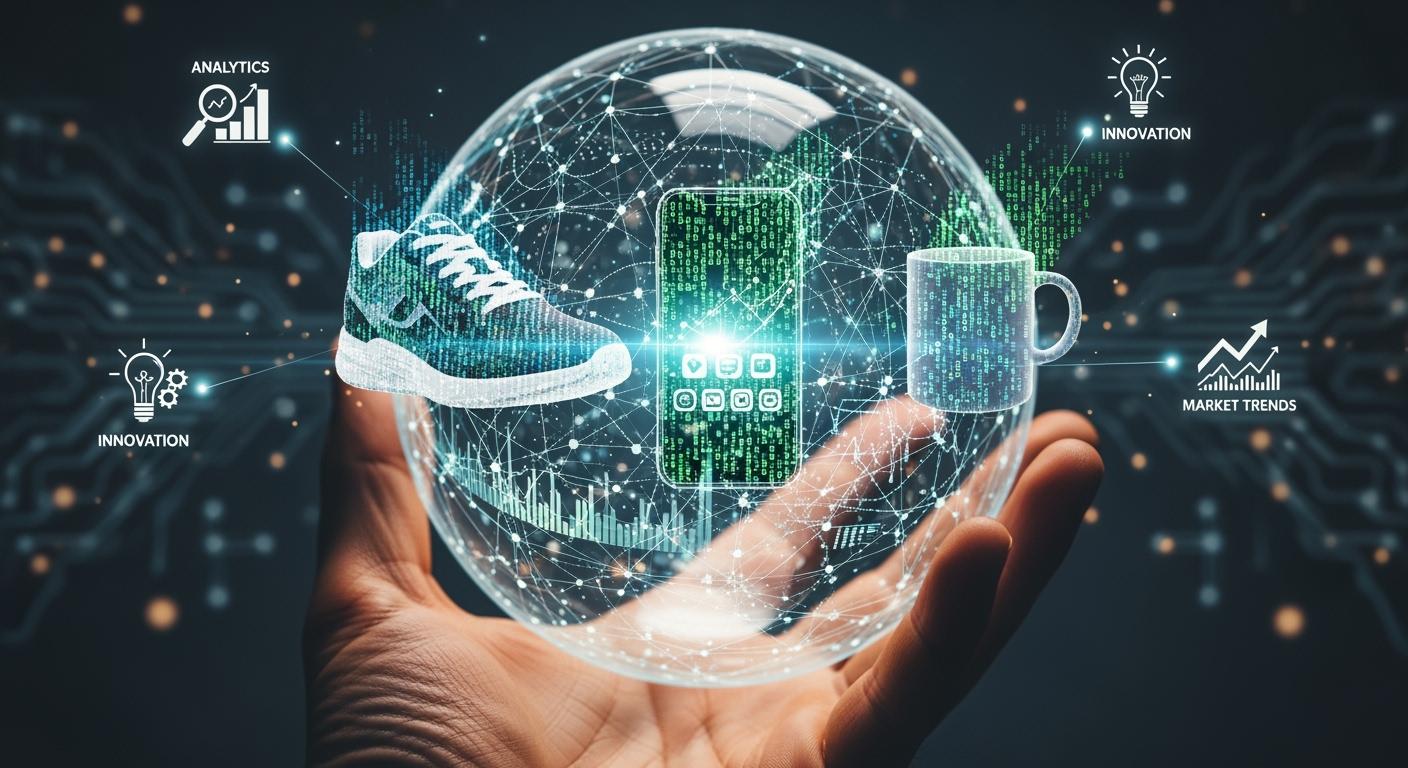
AI trend forecasting changes the way you develop products. You gain faster responses to trends and improve forecasting accuracy. Teams use AI to explore new concepts and spot risks early. You make smarter decisions and reduce wasted time and money. The table below shows how businesses benefit from AI demand forecasting:
| Evidence Type | Description |
|---|---|
| Accuracy Improvement | AI-powered forecasting can reduce errors by 20% to 50% and product unavailability by up to 65%. |
| Efficiency Gains | AI tools automate forecasting, turning it into a real-time activity. |
| Proactive Decision Making | You simulate scenarios and adjust to market changes, which boosts customer satisfaction. |
You stay ahead by adopting AI for demand forecasting and gain a strong competitive advantage.
AI Trend Forecasting’s Impact
Influencing Product Decisions
You shape your product decisions with ai trend forecasting. You use ai demand forecasting to analyze large sets of data and spot patterns in consumer behavior. You can predict what customers want before your competitors do. This gives you a strong advantage in the market.
- You rely on ai to make data-driven choices. You optimize your product offerings and improve customer engagement.
- You use ai demand forecasting to predict market demands. You act quickly and reduce the risk of overproduction.
- You save money by optimizing inventory. You avoid waste and keep your supply chain agile.
- You gain deeper customer insights. You personalize marketing and product recommendations. Most customers prefer brands that offer personalized suggestions.
A multinational electronics company uses ai demand forecasting to adjust pricing based on predicted demand. The company launches timely promotions and prevents revenue loss. You can follow this approach to protect your profits and respond to market changes.
You build products that match customer needs. You use ai-driven trend forecasting to make smarter decisions and reduce risk.
Real-Time Market Response
You respond to market changes in real-time with ai demand forecasting. You track trends as they happen and adjust your strategies quickly. You use real-time data from social media, sales, and other sources to update your forecasts.
- James Hardie uses sentiment analysis to refine marketing strategies. The company listens to consumer opinions on social media and adapts its approach.
- SciPlay uses predictive analytics to optimize retargeting campaigns. The company targets players more effectively and saves money.
- Bayer links data signals to message timing in its flu trend forecasting campaign. The company sees a big increase in click-through rates and traffic.
You use ai for demand forecasting to identify correlations between past events and demand spikes. You adjust your inventory and marketing plans to match real-time consumer needs. You can handle rare events that change buying behavior. You keep your business flexible and ready for anything.
You stay ahead by using real-time trend predictions. You make decisions faster and keep your products relevant.
What Is AI Trend Forecasting
Core Concepts and Methods
You use ai trend forecasting to predict what will happen in the market. This process relies on several important methods. Each method helps you understand and respond to changes in consumer behavior.
- Data collection and integration: You gather information from many sources, such as social media, sales records, and online reviews. This gives you a full picture of what people want.
- Pattern recognition and machine learning: You let ai find connections between past trends and new ones. This helps you make better predictions.
- Sentiment analysis: You check how people feel about products by looking at their comments and reviews. This shows you what customers like or dislike.
- Predictive analytics: You use data to guess what will happen next. This lets you plan your next steps before trends become obvious.
- Market adaptation: You get insights that help you change your products or marketing quickly. You stay ahead of your competitors.
Tip: When you use these methods together, you can spot trends early and make smarter choices for your business.
Why Businesses Need It
You face many challenges in today’s fast-changing market. Ai trend forecasting helps you solve these problems and stay competitive. The table below shows some common challenges:
| Challenge | Description |
|---|---|
| Data quality | Inaccurate or missing sales data can make predictions less reliable. Untrustworthy outside data can also cause problems. |
| Implementation issues | Adding ai to your current systems can be hard and may cost a lot. |
| Ethical concerns | You must protect customer data and follow privacy rules when you use ai. |
You also deal with unpredictable buying habits and complex supply chains. Old forecasting methods often miss small signals or react too slowly to changes.
- You need faster ways to spot new trends.
- You want to avoid wasted products and missed sales.
- You must keep up with what your customers want.
Ai trend forecasting gives you the tools to meet these needs and grow your business.
How AI-Driven Trend Forecasting Works
Data Sources and Machine Learning
You start with data. AI-driven trend forecasting uses many sources to build a complete picture. You gather information from social media, sales records, runway images, and even IoT sensors in factories. These sources help you see what is happening in real time and spot new patterns.
- Social media posts show what people talk about and like.
- Sales data reveals what products sell well.
- Runway images highlight fashion trends.
- IoT devices and sensors collect data from manufacturing lines.
Machine learning algorithms process this data. You collect and prepare the data first. Then, you train models to find patterns and trends. These models learn from machine performance metrics and product quality records. They help you make predictions without needing to program every rule. This process gives you data-driven insights that guide your product decisions.
NLP and Computer Vision in Trend Analysis
You use natural language processing (NLP) to read and understand customer feedback. NLP looks at reviews, social media posts, and comments to find out how people feel about products. You can spot new themes and measure sentiment quickly.
Computer vision helps you in other ways. In fashion, you analyze runway images to find new styles. In manufacturing, you use computer vision to check for defects. These tools let you detect problems and trends faster than before. Machine learning models with computer vision can even find defects in real time, keeping your product quality high.
Multi-Layered Methodology
You improve accuracy by using a multi-layered approach. You combine different types of data, internal frameworks, and expert analysis. This method gives you richer insights and better predictions.
| Component | Contribution to Accuracy |
|---|---|
| Diverse Data Sources | Combines proprietary and third-party data to enhance the richness of insights. |
| Internal Frameworks | Utilizes unique frameworks to capture complex consumer behaviors and trends. |
| Expert Analysis | Incorporates expert insights to validate and refine forecasting outcomes, ensuring higher quality predictions. |
You might use a proprietary framework to understand changing consumer habits. You also use an "analyst in the loop" system, where human experts check the AI’s work. This teamwork between AI forecasting technologies and experts helps you trust the results and act with confidence.
AI Demand Forecasting Benefits
Accuracy and Predictive Power
You want to make smart decisions in retail, fashion, and other industries. AI demand forecasting gives you the predictive power to do this. You use ai-powered demand forecasting to analyze huge amounts of data from sales, social media, and even runway images. This helps you spot fashion trends and market shifts before your competitors. You can see what products will become popular and when demand will rise or fall.
With ai demand forecasting, you improve accuracy in your predictions. You use predictive models that learn from past sales and current trends. These models help you avoid mistakes that cost money. You can trust the results because ai in demand forecasting checks many sources at once. You get real-time updates, so your information stays fresh. This means you can react quickly to changes in fashion or retail demand.
You also use ai-powered demand forecasting to test different scenarios. You see what happens if a new fashion trend appears or if a product suddenly becomes popular. This predictive approach helps you plan for the future. You reduce the risk of running out of stock or having too much inventory. You use ai demand planning to make sure your products match what customers want.
Tip: When you use ai demand forecasting software, you boost your accuracy and make better decisions every day.
Reducing Waste and Enabling Agile Supply Chains
You want to cut waste and keep your supply chain flexible. AI-powered demand forecasting helps you do both. You use real-time data to adjust your inventory and production. This means you do not order too much or too little. You save money and protect the environment.
Here is how ai-based demand forecasting helps reduce waste:
| Benefit | Contribution to Waste Reduction |
|---|---|
| Enhanced inventory management | Reduces excess inventory and associated waste |
| Optimized resource use | Minimizes energy consumption and emissions from transportation |
| Real-time demand adjustments | Prevents unnecessary shipments and spoilage, supporting sustainability |
You use ai-driven demand forecasting to make your supply chain agile. You can change your plans quickly when demand shifts. You use predictive analytics to see when a fashion trend will peak or when retail sales will drop. This helps you avoid overproduction and wasted resources.
- AI allows for real-time adjustments to inventory based on sudden demand changes.
- It supports precise decision-making in supply chain management.
- AI-driven forecasting helps avoid excess production and waste of resources.
- It provides accurate forecasts by analyzing customer data and market trends.
- Enables proactive and precise inventory decisions.
Many companies use ai for demand forecasting to stay ahead. Amazon uses ai-powered demand forecasting to keep stock levels right for over 400 million products. Manufacturers use ai-based demand forecasting to adjust production and warehouse space. FMCG enterprises use real-time demand sensing to simulate stocking scenarios and respond to market changes.
| Example | Description |
|---|---|
| Amazon | Uses AI-driven demand forecasting to ensure optimized stock levels across a vast product range, responding effectively to market fluctuations. |
| Manufacturers | Use AI tools to adjust production capacity and optimize warehouse space based on customer demand, utilizing data on past sales and consumer trends. |
| FMCG Enterprises | Benefit from simulating stocking scenarios and adjusting to market changes in real-time, allowing for proactive inventory decisions during demand surges or disruptions. |
You use ai demand planning software to keep your supply chain ready for anything. You get real-time demand sensing and predictive insights that help you act fast.
Aligning with Consumer Demand
You want your products to match what customers want. AI-powered demand forecasting helps you do this. You use predictive analytics to track fashion trends and retail preferences. You see what styles, colors, or products are gaining popularity. You use ai-based demand forecasting to adjust your product line before the competition.
You rely on ai demand forecasting accuracy to keep your shelves stocked with the right items. You use ai demand planning to avoid missed sales and empty shelves. You also use ai in demand forecasting to personalize your offerings. You can suggest products that fit each customer’s taste. This makes shoppers feel understood and valued.
Fashion brands use ai-powered demand forecasting to spot new fashion trends early. Retailers use ai-driven demand forecasting to plan promotions and avoid overstock. You use real-time data to keep up with fast-changing demand. You use predictive models to see what will sell next season.
Note: When you use ai demand forecasting, you build stronger relationships with your customers. You show them you know what they want, and you deliver it at the right time.
You use ai demand planning to make your business more responsive. You use ai in demand forecasting to keep your products relevant. You use ai demand forecasting software to stay ahead in retail and fashion. You use predictive analytics to guide every decision, from design to delivery.
Real-World Applications of AI for Demand Forecasting
Consumer Goods and Retail
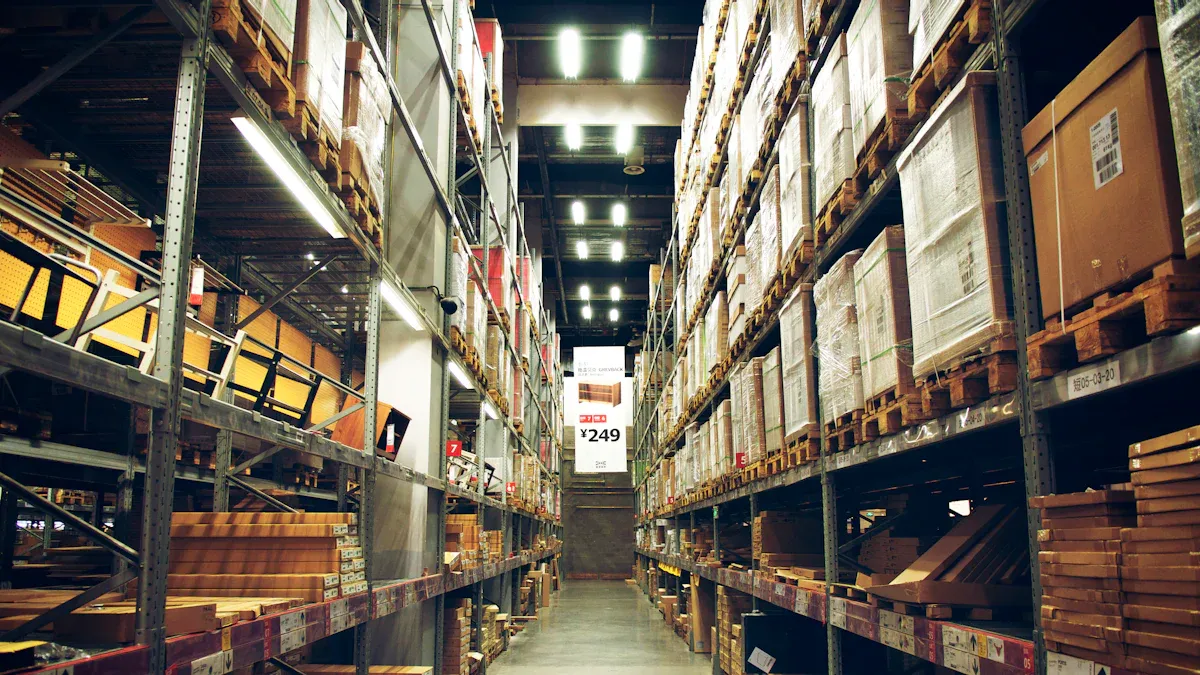
You see big changes in consumer goods and retail because of real-time demand forecasting in retail. You use real-time data from sales, online reviews, and social media to predict what shoppers want. You adjust your inventory in real-time, so you never run out of popular items. You also avoid overstocking products that do not sell. This helps you save money and keep your customers happy. You use real-time alerts to spot sudden changes in demand. You can launch promotions or restock shelves quickly. You make smarter choices every day with real-time insights.
Fashion and Lifestyle
You use ai to transform the fashion and lifestyle industry. You track real-time trends by analyzing runway images, social media posts, and customer feedback. This helps you predict what styles will become popular. You manage your inventory better and reduce waste.
AI enhances personalized shopping by analyzing individual browsing history and preferences to offer tailored product recommendations, improving the overall shopping experience.
AI trend forecasting in fashion involves analyzing runway images, social media data, and customer feedback to predict trends. This helps brands manage inventory better and reduce waste.
AI algorithms can analyze vast amounts of data from social media, runway shows, and sales data to identify emerging patterns and consumer preferences, allowing brands to create relevant collections.
You use real-time data to design collections that match what people want. You also use real-time feedback to adjust your marketing and product launches. You stay ahead of trends and keep your brand fresh.
Technology and Electronics
You see real-time demand forecasting change the way you manage technology and electronics. You use real-time data to predict when people will buy new devices or upgrade their gadgets. You keep your supply chain flexible and avoid shortages.
- A Texas retail electric provider implemented a machine learning model for energy demand forecasting, resulting in a 35% reduction in overhead costs and a 40% increase in forecasting accuracy, which boosted revenue per customer by 20%.
- An electronics giant utilized augmented intelligence to enhance demand forecasting and inventory management, effectively syncing supply and demand.
You use real-time insights to plan production and shipping. You respond quickly to market changes and keep your customers satisfied. You see how real-time forecasting helps you grow your business and stay competitive.
Challenges in AI Trend Forecasting
Data Quality and Integration
You face many challenges when you bring data together for trend forecasting. You must handle different types of data, such as sales numbers, social media posts, and images. Each type needs special care. If you do not set up a clear data structure, you may create silos and raise costs. You also need to process data in real time, which can be hard if your systems are slow. Sometimes, you must follow strict rules to keep data safe and legal. Poor chunking of data can make your ai system lose important context. You can use automated tools to review and improve data quality.
| Challenge Type | Description |
|---|---|
| Complexity of data architecture | You may face unclear data structures, leading to silos and high costs. |
| Integration of various data types | Combining different data types can cause integration and maintenance problems. |
| Real-time data processing | Processing data quickly is hard and can slow down trend forecasting. |
| Regulatory compliance | Following rules can make data integration more complex. |
| Inadequate dataset chunking | Poor chunking can lower performance and lose important context. |
| Automated approaches for data review | Automated tools can help improve data quality from many sources. |
Organizational Readiness
You need to check if your business is ready for ai trend forecasting. Start by looking at how you manage data. Make sure your data is easy to find and use. Align your goals with your ai projects. You need leaders who support these changes and give enough resources. Your technology must be strong enough to handle new tools. Your team should have the right skills. Training and audits help you find gaps and plan for growth.
| Assessment Area | Key Focus Areas |
|---|---|
| Data Management Capabilities | Check data quality, storage, and how easy it is to access. |
| Strategic Alignment | Make sure your goals match your ai plans and leaders support the effort. |
| Leadership Support | Leaders must commit resources and stay involved. |
| Technological Infrastructure | Your hardware and software must work well with new ai systems. |
| Workforce Skills and Knowledge | Find out what skills your team has and plan training if needed. |
Tip: A strong foundation helps you avoid common obstacles like high costs, complex models, and trouble connecting new systems to old ones.
Ethics and Privacy
You must protect private information when you use ai for trend forecasting. Keep personal data safe from hackers and follow all privacy laws. If you do not, you could face legal trouble. Watch out for bias in your models. Bias can come from the data, the algorithms, or even the people who build the system. Bias can lead to wrong predictions and hurt your business. You also need to understand how your ai makes decisions. This is important for fairness, especially in areas like healthcare and finance.
- Protect sensitive data from unauthorized access.
- Avoid legal risks by handling personal information with care.
- Check for bias in your data and models.
- Make sure you can explain how your ai makes decisions.
Note: Good ethics and privacy practices build trust with your customers and keep your business safe.
The Future of AI in Product Development
Emerging Technologies
You see new technologies changing how you develop products. AI-powered generative design tools help you explore many solutions quickly. Natural language processing lets you write clear product requirements. Predictive analytics helps you choose the best materials based on how they will perform. AI-driven insights allow you to analyze customer feedback and improve products faster. These tools make your work easier and help you respond to emerging fashion trends and shifting demand.
- Generative design tools create many options for you to test.
- Natural language processing helps you describe what you need.
- Predictive analytics guides your material choices.
- AI-driven feedback analysis speeds up product improvements.
You use these technologies to stay ahead in forecasting and product innovation.
Evolving Product Teams
You notice your team changing as AI becomes more important. AI systems predict trends in colors, materials, and styles. You get data-driven insights for design and production decisions. This helps you avoid making too many products and reduces waste. You see profits grow as you match production to what customers want.
- Teams use AI to align production with real consumer demand.
- You reduce waste and improve profitability.
- The global AI in consumer goods market is growing fast. It may reach $37.3 billion by 2032.
You build smarter teams that use AI to make better choices and respond to market changes.
Strategic Adoption
You need a plan to use AI in product development. Senior leaders must support AI strategies and connect technical teams with business goals. You build a portfolio of AI applications and focus on the most important ones. Leaders commit resources and encourage innovation. You check your financial, human, and technology resources before starting new projects. You define clear AI use cases and redesign workflows to get the most value.
- C-suite engagement ensures strong leadership.
- Use case prioritization helps you focus on what matters.
- Leadership commitment secures resources.
- Resource allocation prepares your team for success.
- Application definition and process redesign maximize benefits.
Companies like Corbion use AI to speed up product development with simulation and predictive analysis. You see faster iterations and better products. A Forbes survey shows that 44% of businesses use AI to improve decisions, and 48% say it helps prevent mistakes. You get a higher return on investment when you adopt AI strategically.
You gain a competitive edge by planning your AI adoption carefully and using it to improve every step of product development.
You see how AI trend forecasting changes product development across many industries. Companies like Unilever, Danone, and P&G use AI to boost sales, improve accuracy, and speed up delivery.
| Company | Implementation Details | Results |
|---|---|---|
| Unilever | Linked weather data to ice cream demand forecasting | 30% sales increase in key markets |
| Danone | Used AI for demand and promo planning | Over 90% accuracy, less waste, happier customers |
| P&G | Transformed manufacturing with AI and IoT | Faster delivery, real-time quality checks |
You gain new chances for growth as AI evolves. Investing in AI trend forecasting helps you build smarter business models and improve efficiency. To get started, check your readiness:
| Criteria | Description |
|---|---|
| Data Management | Review data quality and access |
| Strategic Alignment | Match AI plans with business goals |
| Leadership Support | Ensure leaders back AI projects |
| Workforce Skills | Train your team for AI |
| Tech Infrastructure | Confirm your tools support AI integration |
You can lead your industry by adopting AI trend forecasting and preparing your team for the future.
FAQ
What is AI trend forecasting?
AI trend forecasting uses computer programs to find patterns in data. You can use it to predict what products people will want. This helps you make better business decisions.
How does AI improve product development?
You use AI to spot trends early. AI helps you design products that match what customers want. You save time and reduce mistakes.
Is AI trend forecasting expensive to start?
You can start small with basic tools. Many companies offer affordable AI solutions. You do not need a big budget to see results.
What data do I need for AI trend forecasting?
You need sales records, social media posts, and customer reviews. You can also use images and sensor data. The more data you have, the better your predictions.
See Also
Exploring AI's Role in Fast Fashion Trend Management
Utilizing Machine Learning to Anticipate Fashion Trends Effectively
Enhancing Your Shopping Experience with AI Demand Forecasting
AI and Data: Shaping Demand Forecasting for 2025
Best Practices for Accurate Production Forecasting Using AI in 2024