
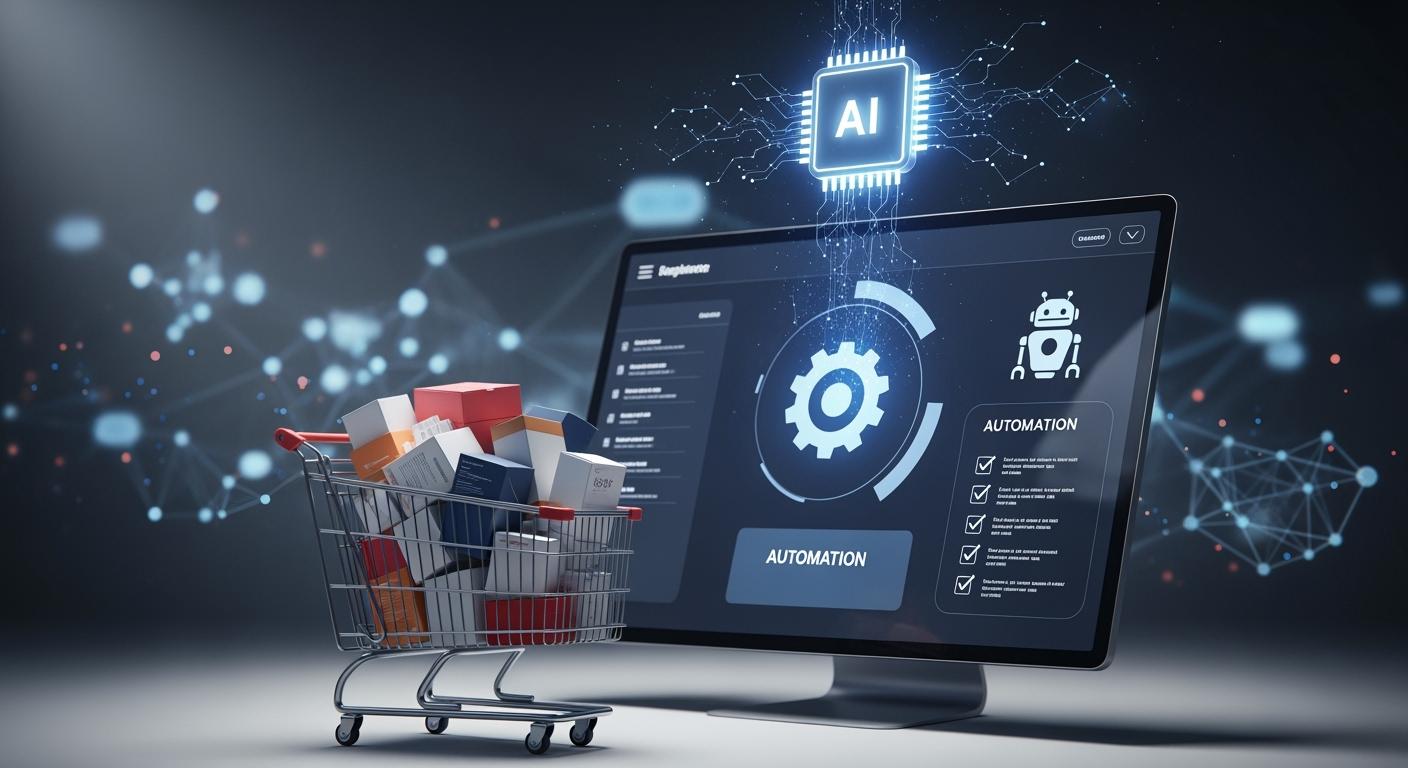
You want your ecommerce store to run smoother and grow faster, right? AI tools help you do just that. They handle tasks like customer support, inventory, seo, and marketing. You get always-on support, smarter product search, and dynamic pricing. Some stores saw a 21% boost in search conversion rates and a 15% increase in revenue per user. Check out these benefits in the table below:
| Benefit | Description |
|---|---|
| Always-on customer support | AI provides 24/7 assistance, improving customer service and reducing friction in customer interactions. |
| Smarter search and product discovery | AI enhances search accuracy by understanding customer intent, leading to increased conversion rates. |
| Inventory intelligence | AI optimizes inventory management by predicting demand and adjusting stock levels in real-time. |
| Dynamic pricing | AI enables continuous pricing optimization based on market signals, improving revenue potential. |
| Marketing and customer retention | AI predicts customer behavior, allowing for personalized marketing strategies that enhance retention. |
Think about which parts of your store could use automation. You might be surprised at how much ai can do for you.
Essential AI Tools for eCommerce
Top AI Tools Overview
You want your store to run like a well-oiled machine. The right ai tools for ecommerce can help you do just that. Experts recommend several ai tools that cover everything from marketing to customer support. Here are some of the most notable ones:
- Wisepops helps you personalize your site, capture leads, and recover abandoned carts.
- Jasper lets you create marketing copy quickly and at scale.
- Lyro by Tidio answers customer questions and supports shoppers around the clock.
- Grammarly keeps your writing clear and consistent with your brand voice.
- Surfer AI boosts your seo by optimizing content for search engines.
- Synthesia creates ai-powered videos for marketing campaigns.
- Midjourney generates images for your store and ads.
- MarketMuse audits your content and helps you plan your strategy.
- Shopify Magic writes product descriptions and storefront copy for you.
- ClickUp AI automates workflows and creates content briefs.
You can see how these tools cover many parts of ecommerce. They help you save time, improve customer experience, and grow your sales.
Here’s a quick look at some leading ai tools for ecommerce and what makes them stand out:
| Tool Name | Core Features | Unique Selling Points |
|---|---|---|
| Inventory Planner | Tracks and forecasts inventory across multiple locations | Helps you avoid stockouts and overstock, protecting your working capital. |
| Klaviyo | Builds automated flows triggered by purchase events | Integrates tightly with Shopify, showing you revenue from each campaign. |
| Loop Returns | Presents instant exchange options at the return step | Turns returns into exchanges, reducing manual work and keeping customers happy. |
| Cogsy | Runs demand forecasts using live sales data | Aligns your operations and finance on the same plan, especially during busy seasons. |
| Shopify Flow | Builds workflows with a visual, no-code editor | Automates repetitive backend tasks for Shopify stores without needing a developer. |
Tip: Try combining several ai tools for ecommerce to cover different store functions. You can automate marketing, support, inventory, and content creation all at once.
Benefits of AI Automation
You probably wonder how ai tools can help your store grow. Let’s break down the main benefits:
- Ai boosts operational efficiency by handling repetitive tasks. You get more time to focus on your customers.
- Ai tools for ecommerce streamline processes, saving money and improving productivity.
- Ai drives sales growth by analyzing customer behavior in real time. You can optimize conversion rates and increase revenue.
- Ai creates personalized shopping experiences. Customers engage more and buy more.
- Ai-powered chatbots improve customer satisfaction and retention. They answer questions instantly and keep shoppers happy.
- Ai personalizes the customer journey. You build stronger relationships and keep customers coming back.
You also reduce manual workload with ai tools. For example, Tidio’s chatbot answers questions 24/7, so you don’t need to be online all the time. Ai helps you create optimized listings for marketplaces like eBay or Amazon, saving hours of work. Automation cuts operational costs and improves response times. Ai turns raw data into insights, helping you plan for growth.
If you want your ecommerce store to run smoother and grow faster, ai tools are the way to go. You can automate key functions, improve customer experience, and drive sales—all with less effort.
AI Tools for Customer Support
Chatbots & Virtual Assistants
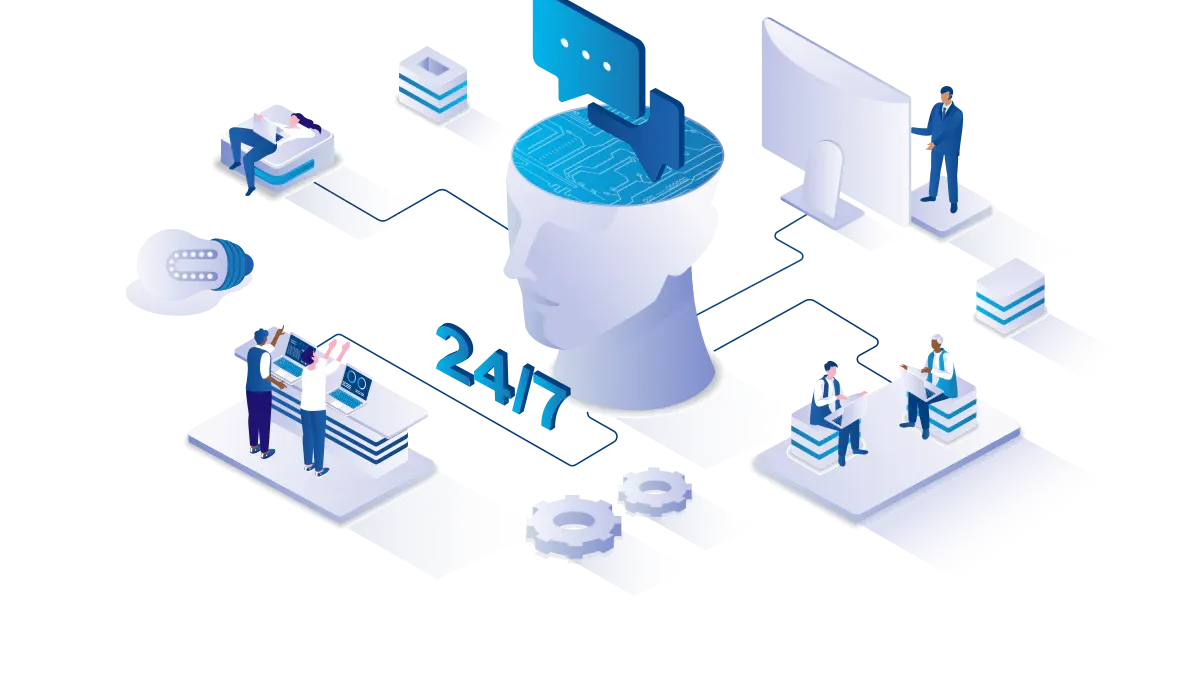
You want your customers to get answers fast. That’s where chatbots and virtual assistants come in. These ai tools work around the clock, so shoppers never have to wait for help. Tidio and Shopify Magic are two favorites for ecommerce stores. They handle common questions, guide shoppers, and even help with ai cart recovery. If a shopper leaves items in their cart, these bots can send reminders and answer questions to encourage recovery. You don’t need to worry about missing sales at midnight or during busy hours.
Here’s how ai chat and automation make a difference for your store:
- Ai chatbots give instant, 24/7 customer support. Your customers get answers right away.
- They talk to many shoppers at once. No one waits in a long line.
- This quick support improves the customer experience and keeps frustration low.
You can see better customer engagement and more completed purchases. Ai cart recovery means fewer abandoned carts and more revenue for you.
Automated Helpdesk Solutions
You might want more than just chatbots. Automated helpdesk solutions take customer support automation to the next level. These platforms organize tickets, track issues, and help with ai cart recovery. They can even spot when a customer needs help with a cart and send a message to boost recovery. Some tools, like eDesk and Zendesk, connect with many marketplaces and channels. You get all your messages in one place, which makes your job easier.
Check out this table to compare some top ai-powered customer support tools:
| Tool | Best For | Purpose-Built for eCommerce | Native Marketplace Integrations | AI Sophistication |
|---|---|---|---|---|
| eDesk | Multichannel sellers | Yes | 250+ | High (eCommerce-trained) |
| Tidio | Small Shopify stores | Partial | Limited | Basic (Lyro chatbot) |
| Zendesk | Enterprise with IT | No | Via third-party apps | High (generic) |
| Richpanel | DTC self-service brands | Partial | Limited | Moderate |
| HelpCrunch | Multichannel and multibrand | Partial | Limited | High (Versatile) |
When you use ai-powered cart recovery and helpdesk tools, you boost customer experience and make your support team more efficient. You can focus on growing your store while ai handles the busy work. That’s the power of ai tools in customer support.
Ecommerce Marketing Automation
You want your store to stand out and grow. Ecommerce marketing automation helps you do that with less effort. You can use ai tools for ecommerce to handle email and lifecycle marketing, ads, and social media. Let’s see how you can make your marketing smarter and faster.
Email Campaign Tools
You don’t have to write every email by hand. Klaviyo uses ai to create subject lines and email body copy for you. It builds smart audience segments based on what shoppers do, like cart and browse abandonment. You can set up flows that send emails when someone leaves a cart or after they buy. Klaviyo even picks the best time to send each email. This means your messages land when people are most likely to open them. You get predictive analytics, so you know who might buy again or leave. Here’s a quick look at what Klaviyo offers:
| Feature | Description |
|---|---|
| AI-generated content | Writes subject lines and email copy for you |
| AI-driven segmentation | Groups shoppers by cart and purchase behavior |
| Flows AI | Automates cart and post-purchase emails |
| Smart send-time optimization | Sends emails at the best time for each person |
| Predictive analytics | Shows who might buy again or leave |
You can focus on strategy while ai handles the details. Email and lifecycle marketing becomes easy and effective.
Ad Optimization Platforms
Running ads can cost a lot if you guess what works. Jasper and other ai tools test many ad versions fast. They spot winning ads and move your budget to the best ones. This means you waste less money and get better results. You can also use Wisepops to show pop-ups at the right time. These pop-ups use data to engage shoppers when they are most likely to buy or recover a cart. You get more conversions without extra work.
- Find top ads quickly with ai creative testing.
- Spend less by moving money to high-performing ads.
- Use pop-ups to catch shoppers before they leave their cart.
Social Media Automation
Social media takes time, but ai makes it simple. You can reclaim over 20 hours each week by letting ai create and schedule posts. These tools cut social media costs by 90%. You never run out of content ideas because ai generates them for you. Your posts go out every day, building trust with your audience. Ai also helps you spot trends and create content before your competitors do. You keep your brand voice strong without micromanaging. Ai even makes graphics for you, so you don’t need design skills. You can track what works in one dashboard and focus on your big goals.
Tip: Use ai tools to automate email and lifecycle marketing, ads, and social media. You’ll save time, boost conversions, and grow your ecommerce store faster.
Personalization with AI Tools

You want your store to feel unique for every shopper. Personalization makes that happen. With the right ai tools, you can show each visitor products and prices that match their interests. This approach keeps people coming back and helps you stand out in the crowded ecommerce world.
Product Recommendations
When you use ai product recommendations, you help shoppers find what they want faster. These smart systems look at what each person browses, clicks, and buys. Then, they suggest items that fit their style. You can use an ecommerce personalization platform like BigCommerce's BigAI or Ringly.io to deliver these experiences. Other top tools for personalized product recommendations include:
- Dynamic Yield gives real-time personalization and customer interactions.
- Nosto analyzes visitor behavior for tailored suggestions.
- Adobe Sensei powers automated merchandising and recommendations.
- Bloomreach personalizes site search and marketing.
- Algolia improves product search and personalization with predictive suggestions.
- Raptor Services offers real-time recommendations.
- ViSenze enables visual search and product discovery.
- Salesforce Einstein delivers predictive insights and recommendations.
These ai product recommendations boost sales and keep customers happy. Just look at how big brands use them:
| Company | Impact of AI Personalization | Revenue/Outcome |
|---|---|---|
| Amazon | 35% of total ecommerce sales from recommendations | Customer retention jumped 56% |
| Netflix | 75% of content watched from recommendations | $39 billion revenue in 2024, 15.7% increase |
| Alibaba | 20% increase in sales in Q4 2020 | N/A |
| Sephora | Increased net sales from $580 million in 2016 to over $3 billion in 2022 | N/A |
You can see that recommendations drive real results. They help with lead capture and ecommerce personalization, making your store more engaging.
Dynamic Pricing Solutions
You want to stay competitive and grow profits. Dynamic pricing powered by ai helps you do both. These systems watch market demand and competitor prices. They change your prices in real time, so you never miss a sale or lose out on profit. Here’s what you get with ai-driven dynamic pricing:
- Flexibility to adjust prices as the market changes.
- The ability to react fast to competitors.
- Higher revenue and profit by matching prices to demand.
- A better chance to win over shoppers looking for deals.
With ai, you can tailor prices for each customer. This makes your offers feel special and keeps people coming back. When you combine dynamic pricing with personalized product recommendations, you create a shopping experience that feels just right for every visitor.
Tip: Start with one area, like product recommendations, then add dynamic pricing. You’ll see how personalization can transform your ecommerce results.
AI Tools for Content Creation
Automated Product Descriptions
You know how writing product copy can take forever. AI changes that. With tools like Jasper, Shopify Magic, and Popupsmart's AI, you can create unique product copy in seconds. These tools look at your product data and turn it into high-quality, seo-friendly copy. You don’t have to worry about repeating yourself or missing important details. AI keeps your copy fresh and accurate every time.
Here’s a quick look at some top tools for automating product copy:
| Tool Name | Functionality |
|---|---|
| Shopify Magic | Analyzes product data and uses machine learning to generate high-quality, unique, SEO-friendly copy. |
| Popupsmart's AI | Generates catalog copy for product descriptions. |
AI does more than just write. It automates image editing, optimizes metadata, and makes sure your copy matches your brand voice. You save hours every week because AI handles the repetitive parts of copy creation. You can focus on growing your ecommerce business instead of writing the same copy over and over.
Visual Content Generation
You want your store to look amazing everywhere. AI helps you create visuals that fit your brand and catch your customers’ eyes. These tools analyze what your audience likes and suggest visuals that match their interests. AI also enhances your images, so they look great on every platform.
AI-powered tools keep your brand’s look consistent. They optimize and adapt your visuals for each channel. You get a cohesive style that builds trust with shoppers. AI even checks how your visuals perform and recommends changes to boost engagement. When you use AI for visual copy creation, you make your brand stand out and keep customers coming back.
Tip: Let AI handle your copy and visuals. You’ll save time, keep your brand strong, and make content creation easy.
AI Tools for Analytics
You want to make smart decisions for your store. AI tools for analytics help you do just that. These tools turn ecommerce performance data into clear insights. You can spot trends, predict what customers want, and stop problems before they start.
Predictive Analytics
AI can look at your sales and customer data to predict what will happen next. You can use this power to plan your inventory, set better prices, and boost your sales. Tools like Inventory Planner and Signifyd help you see patterns and even catch fraud before it hurts your business. Many ecommerce stores also use these popular AI-powered analytics tools:
- Holistics
- Power BI
- Tableau
- Domo
- Microsoft Azure Machine Learning
These tools help you track sales, spot trends, and plan for busy times. You can see which products will sell out and which ones need a push. AI makes it easy to act fast and stay ahead of your competition.
Tip: Use predictive analytics to avoid running out of stock and to catch fraud early. You will save money and keep your customers happy.
Customer Segmentation
AI helps you understand your customers better. You can group shoppers by what they buy, how often they visit, or what they like. This makes your marketing smarter and more personal. When you use AI for customer segmentation, you can:
| Aspect | Description |
|---|---|
| Segment of One Marketing | Each customer receives a personalized experience based on their unique behavior. |
| Predictive Segmentation | AI forecasts future customer behavior by analyzing historical data patterns. |
| Multi-Channel Personalization | AI personalizes content across various channels, optimizing timing and delivery for each customer. |
| Dynamic Content Adaptation | AI adjusts website layouts and recommendations in real-time based on individual behavior. |
| Hyper-Relevant Offers | AI predicts preferences to send highly relevant offers, enhancing conversions and loyalty. |
You can send the right message to the right person at the right time. This boosts sales and keeps shoppers coming back. AI tools make it easy to turn ecommerce performance data into action.
Choosing the Right AI Tools
Evaluation Criteria
Picking the right ai tools for your ecommerce store can feel overwhelming. You want to make sure you get the best fit for your needs. Start by looking at your biggest pain points. Ask yourself, “Where do I lose the most time or money?” Maybe you struggle with slow customer support or messy inventory. Once you spot these issues, you can focus on tools that solve them.
Think about the return on investment. Will the ai tool help you save money or boost sales? Check if your data is ready. Good data makes ai work better. Make sure your data is clean and matches across all your systems. You also want to choose a vendor that understands your business. Look for tools that fit your workflow and goals.
Here are some things to check before you buy:
- Define the business problem first. Know what you want to fix or improve.
- Assess your current tech setup. Make sure the tool works with your systems.
- Check data quality and governance. Clean data helps ai perform well.
- Consider scalability. Pick tools that grow with your store.
- Prioritize security and compliance. Protect your data and follow rules.
Tip: Always look for flexible tools that can handle more customers as your store grows.
Selection Checklist
You want to compare features, pricing, and support before you decide. Use this checklist to make your choice easier:
- API availability: Does the tool connect with other systems?
- Role-based access control: Can you manage who uses the tool as your team grows?
- Cost structure: Will the price change as you add more users?
- Features: Does the tool offer what you need for marketing, support, or analytics?
- Support options: Is help available when you need it?
Here’s a quick table to help you compare:
| Tool | Features | Pricing Model | Support Options |
|---|---|---|---|
| Klaviyo | AI suite with marketing and customer agents, 40+ personalization features | Freemium, usage-based | Limited (no phone) |
| Omnisend | Email, SMS, and push notifications, AI-generated content | Free plan + Standard plan from $16/mo | Fast response |
| GetResponse | Email, automation, landing pages, webinars, AI recommendations | Starts at $19/mo | N/A |
| Constructor | AI-native product discovery, conversational queries | Estimated $100,000+/year | N/A |
Focus on outcomes, not just features. Look at metrics like resolution rate, cost per resolution, and conversion rate lift. These numbers show how well the ai tools work for your ecommerce store.
AI Tools Comparison Table
You want to pick the best tools for your ecommerce store, right? Let’s make it easy. Here’s a handy table that shows how some of the top options stack up. You can see what each tool does, how much it costs, and what users think about it.
| Tool | Functionality | Pricing Structure | User Satisfaction |
|---|---|---|---|
| Competera | Detailed competitor analytics | Not specified | High, praised for insights |
| Intelligence Node | Real-time dynamic pricing | Not specified | High, excels in global pricing |
| PriSync | Ease of use, immediate ROI | Competitive pricing model | High, practical choice for many sites |
| Polar Analytics | Conversational AI for forecasting | Not specified | High, innovative approach |
You can spot the differences fast. Competera gives you deep competitor insights. Intelligence Node helps you change prices in real time. PriSync is easy to use and gives you quick results. Polar Analytics uses conversational ai to help you forecast sales.
Note: Some tools let you try them for free. Pricing can start low, like $30 a month, but may go up to $300 a month as your store grows. You might pay per message, user, video credit, or product.
Here’s what you get when you use these tools:
- You save time and make smarter decisions.
- You boost customer satisfaction with 24/7 support.
- You keep your store running smoothly and stay ahead of the competition.
You don’t have to guess which tool fits your needs. This table gives you a clear view so you can choose with confidence.
You want your ecommerce store to stand out and boost sales. AI tools help you automate tasks, improve customer satisfaction, and personalize the customer journey. Many stores see higher sales and better seo with automation. Most retailers using ai report lower costs and more revenue. Start by reviewing your current process, then pick one area to automate. Try tools that fit your needs and expand as you grow. This is one of the best ways to grow an ecommerce business today.
FAQ
What are AI tools for ecommerce?
AI tools help you run your store better. They automate tasks like customer support, marketing, and inventory. You save time and boost sales. These tools make your ecommerce business smarter and faster.
How do AI chatbots improve customer support?
AI chatbots answer questions right away. They work all day and night. You don’t need to hire extra staff. Customers get help fast, which keeps them happy.
Can AI help with marketing?
Yes! AI creates emails, ads, and social posts for you. It finds the best time to send messages. You reach more people and grow your store without extra effort.
Is it hard to start using AI tools?
You can start with simple tools. Many AI apps connect easily to your store. Most have guides and support. You don’t need to be a tech expert.
Tip: Try one tool first. See how it works for your store before adding more.
Are AI tools expensive?
Some tools are free. Others cost a monthly fee. You can pick what fits your budget. Many stores see more sales, so the tools pay for themselves.
See Also
Top 10 E-commerce Platforms That Integrate With Accounting Systems
Cutting-Edge Strategies for E-commerce Success in 2025
Enhancing Warehouse Efficiency Through Smart E-commerce Techniques