
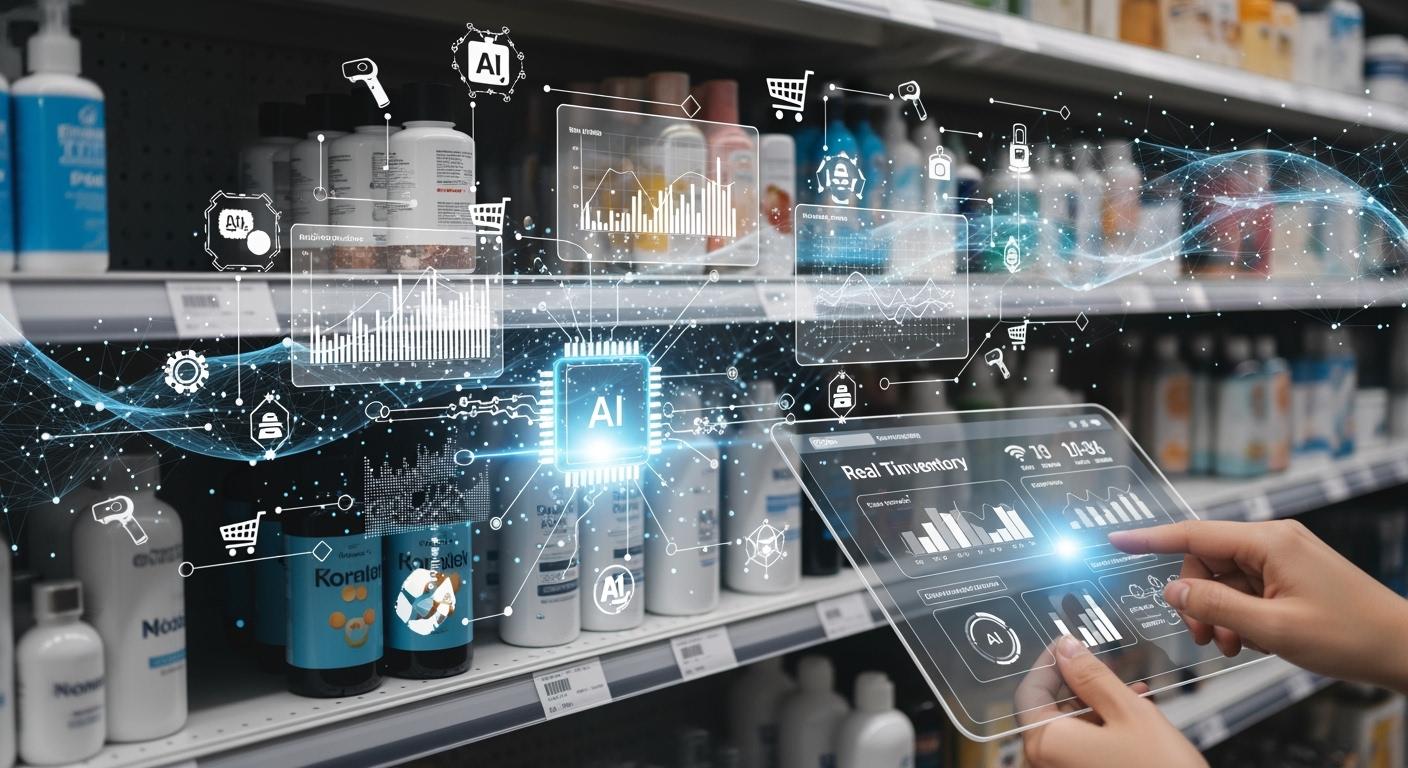
AI inventory optimization changes how you manage products in your store. You see fewer empty shelves, better cash flow, and happier customers. For example, Amazon uses machine learning to predict demand, which led to a 15% drop in stockouts and improved service. The table below shows how other companies benefit from AI:
| Company | Benefit Achieved |
|---|---|
| Nordstrom | Higher labor efficiency, more storage space |
| Amazon | Fewer stockouts, better customer service |
| Mayo Clinic | Less waste, more reliable inventory |
AI in Inventory Optimization
Immediate Benefits for Retailers
You can see big changes when you use AI for inventory optimization. AI helps you predict what your customers want and when they want it. This means you keep the right amount of products on your shelves. You avoid running out of popular items and stop wasting money on products that do not sell.
Here are some ways AI helps you right away:
- AI tracks your stock levels in real time, so you know exactly what you have at any moment.
- Machine learning looks at your past sales and outside factors, like weather or holidays, to make better forecasts.
- AI systems automate reordering, so you do not have to guess when to restock.
- Computer vision and barcode scanning make counting products faster and more accurate.
- IoT devices send data about product movement, helping you make quick decisions.
You can measure these benefits. Retailers report a 31% drop in stockouts, a 22% decrease in excess inventory, and a 19% improvement in inventory turnover after using AI. These numbers show how AI inventory optimization can make your store run smoother and keep your customers happy.
AI vs. Traditional Methods
You may wonder how AI compares to older ways of managing inventory. Traditional methods often use simple rules or guesswork. They do not look at all the data you have. This can lead to mistakes, like ordering too much or too little.
AI-based strategies use advanced tools to analyze data and make smart choices. Here is a quick comparison:
| Metric | AI-Based Improvement | Traditional Method |
|---|---|---|
| Stockout Reduction | 35% decrease | N/A |
| Service Level Improvement | 34% better | N/A |
| Revenue Capture | 5-10% increase | N/A |
| Cash Flow Improvement | $89 million | N/A |
| Inventory Turns Acceleration | 15% improvement | N/A |
| Planning Time Reduction | 60-80% decrease | N/A |
With AI, you get faster planning, fewer mistakes, and more money saved. You can trust your inventory management to keep up with demand and support your business goals.
Tip: Start with clear goals and good data to get the most from AI inventory optimization.
Core Components of AI Inventory Optimization
AI-Powered Demand Forecasting
You can use AI-powered demand forecasting to predict what your customers will buy and when. This tool looks at your sales history, customer behavior, and market trends. It uses machine learning to improve its predictions every day. When you use predictive analytics for demand forecasting, you get much better results than with manual methods. Retailers see accuracy increases of 60% to 80% with AI forecasting. Demand sensing models also boost operational efficiency by up to 65%. These improvements help you keep the right products in stock and avoid lost sales.
| Improvement Type | Accuracy Increase | Operational Efficiency Increase |
|---|---|---|
| AI Forecasting | 60% to 80% | N/A |
| Demand Sensing Models | 20-50% | Up to 65% |
Dynamic Safety Stock Calculation
You can use dynamic safety stock calculation to keep your shelves full without wasting money. AI studies demand trends, supplier reliability, and market data in real time. This helps you set the right safety stock levels for each product. You do not have to guess how much extra inventory you need. Companies like Walmart and Zara use this strategy to reduce stockouts and cut excess inventory. AI-driven predictive analytics can help you adjust your inventory before problems happen.
- AI enables a shift toward dynamic, predictive inventory control by analyzing demand trends, supplier reliability, and market data in real time, which helps reduce stockouts and excess inventory.
- Companies like Walmart and Zara have successfully implemented AI to optimize inventory levels and improve service rates.
- AI-driven predictive analytics can help businesses anticipate fluctuations in demand and adjust inventory levels proactively.
Automated Replenishment
Automated replenishment uses AI to keep your store stocked without manual work. The system watches your inventory levels and sales trends. It creates purchase orders when you need more products. This process reduces errors and delays. You see faster inventory movement and fewer stockouts. Automated stock replenishment also means you spend less time on routine tasks.
| Evidence Description | Impact on Inventory Turnover and Stockout Rates |
|---|---|
| Faster inventory movement | Enhances inventory turnover by ensuring products are sold before they become obsolete. |
| Better alignment between supply and demand | Reduces stockout rates by ensuring that inventory levels match customer demand. |
| Fewer costly manual interventions | Minimizes errors and delays in replenishment, leading to improved stock availability. |
Dynamic reordering systems use AI to automate inventory replenishment, reducing the need for manual oversight. They monitor stock levels in real time and trigger purchase orders automatically when thresholds are met, minimizing the risk of running out of products.
SKU Segmentation & Prioritization
You can use AI to group and rank your products by value and demand. This process is called SKU segmentation and prioritization. AI-driven inventory solutions help you focus on your best-selling items and remove low-value SKUs. Retailers who use this strategy see lower transportation costs and higher profit margins. Some companies have boosted profits by €30 million and cut expenses by €2 million. Intelligent segmentation can raise margins on core products by up to 23%. You can also drive more store traffic by promoting the right items.
- AI systems helped eliminate low-value SKUs, optimizing resource utilization.
- Retailers observed a reduction in transportation costs due to better SKU demand optimization.
- The implementation led to a €30 million boost in profit margins and reduced operating expenses by €2 million.
- Retailers using AI-driven SKU rationalization achieved a bottom-line impact of up to €10 million per facility.
- Intelligent article segmentation can lead to 15-23% higher margins on core products.
- Retailers can drive 30% more traffic through strategic loss leaders by effectively segmenting their inventory.
Supplier Lead Time Intelligence
You can use AI to track how long it takes suppliers to deliver products. The system checks supplier performance and order histories. It gives you real-time data analytics on possible delays. This helps you plan better and avoid running out of stock. Some companies use AI tools like the Lead Time Predictor Service to get dynamic lead time predictions. These tools let you manage risks and keep your inventory at the right level.
- AI systems offer real-time visibility into supplier performance, which is crucial for accurate inventory planning.
- They assess various factors that could lead to delays, enabling proactive measures to mitigate risks.
- Integration with ERP systems enhances the efficiency of procurement processes, further supporting inventory management.
- The system analyzes various data points, including supplier performance and order histories, to provide dynamic lead time predictions.
- This capability allows businesses to proactively manage supply chain risks and optimize inventory levels.
Real-Time Inventory Visibility
You need to see your inventory at all times to make smart decisions. Real-time inventory visibility uses smart sensors, RFID, and AI-driven solutions to track products. You can spot stockouts or overstock problems right away. Retailers who use these technologies see big improvements. Stockout rates drop from 12% to 7%. Overstock rates fall from 18% to 12%. Customers also have a better experience, with stockout complaints dropping by 25%.
| Benefit | Before Implementation | After Implementation | Improvement |
|---|---|---|---|
| Stockout Rate | 12% | 7% | 5% reduction |
| Overstock Rate | 18% | 12% | 6% reduction |
| Customer Stockout Experience | 40% | 15% | 25% reduction |
The Building Blocks of Effective Inventory Optimization
You need several key components to build a strong inventory optimization system. These include a data analytics engine, machine learning algorithms, inventory tracking technology, automated replenishment systems, user interfaces, integration capabilities, and reporting tools. Each part works together to help you make better decisions and run your store smoothly.
| Component | Description |
|---|---|
| Data Analytics Engine | Analyzes historical sales data, customer behavior, and market trends to provide actionable insights. |
| Machine Learning Algorithms | Continuously learn from new data to improve accuracy in predictions and recommendations. |
| Inventory Tracking Technology | Utilizes RFID, barcodes, or IoT devices to monitor inventory levels in real-time. |
| Automated Replenishment System | Automatically generates purchase orders based on predefined inventory thresholds. |
| User Interface | Provides a dashboard for inventory managers to monitor stock levels and sales trends. |
| Integration Capabilities | Connects with other business systems for seamless information flow. |
| Reporting and Analytics Tools | Generates reports on inventory performance and sales trends for data-driven decisions. |
Tip: Use these strategies to get the most from your inventory management and stay ahead in retail.
Advanced Strategies for Inventory Optimization
Scenario Planning & What-If Analysis
You can use AI to plan for different situations in your store. Scenario planning lets you see what happens if demand spikes or shipments get delayed. With what-if analysis, you test changes before they happen. This helps you avoid surprises and keep shelves stocked.
| Scenario | Impact on Availability |
|---|---|
| 20% Spike in Demand | Adjust orders or rebalance stock before problems escalate |
| Delayed Shipment | Adjust orders or rebalance stock before problems escalate |
AI gives you a single, data-driven plan for your inventory. You can share this plan with your team. This makes it easier to respond when suppliers have problems. You also get better at replenishing and allocating products. This means you can react faster and serve your customers well.
Tip: Use what-if analysis to test your response to big sales events or supply chain issues. You will feel more confident about your inventory decisions.
Continuous Learning & Model Improvement
AI systems do not stop learning. They watch what happens in your store and update their models with new data. This means your inventory recommendations get better over time. You can trust that your system will adapt to changes, like new shopping trends or supply chain shifts.
- AI uses data from many sources to improve demand sensing and inventory management.
- Continuous monitoring and updates help reduce stockouts and overstocks.
- You get more accurate forecasts as the system learns from each season and event.
Leading retailers use advanced AI strategies to stay ahead. These include machine learning, real-time data analytics, and predictive modeling. AI can even spot unusual buying patterns, which helps you plan for sudden changes. In fashion, AI predicts best-selling styles. In sporting goods, it models seasonality. In health and beauty, it tracks fast-moving items to prevent stockouts.
| AI Strategy | Description |
|---|---|
| Machine Learning | Analyzes sales and outside factors to improve forecasts. |
| Real-time Data Analytics | Gives quick insights so you can act fast. |
| Predictive Modeling | Makes forecasts more accurate, saving money and pleasing customers. |
You can use these advanced tools to make your inventory management smarter and more flexible.
Implementation Best Practices
Data Quality & Integration
You need strong data to get the best results from AI inventory optimization. Start by collecting all relevant data, such as sales history and outside factors like weather or holidays. Clean your data to remove errors and duplicates. This step can take a lot of time, but it helps your AI system make better decisions. Use data integration tools to bring information from different sources together. This gives you a clear view of your inventory.
- Gather diverse data sets, including sales, promotions, and external trends.
- Clean your data to ensure accuracy and consistency.
- Integrate data from all sources for a unified view.
For example, Walmart uses data from social media and weather forecasts to predict demand and improve inventory levels.
Change Management
You must prepare your team for changes when you add AI to your inventory management process. Change management helps everyone adjust to new roles and ways of working. You may need to update job duties and reward systems. Store managers might feel unsure about new decision-making tools. Procurement teams will need to change how they work with suppliers. Plan carefully and get support from leaders to make the transition smooth.
- Involve key business stakeholders early in the process.
- Address any gaps in your current inventory management system.
- Provide training and clear communication to reduce resistance.
- Make sure leaders support the changes for long-term success.
Success Measurement
You should track your progress to see if your AI project works well. Use key performance indicators (KPIs) to measure technical, operational, and business results.
| KPI Type | Examples |
|---|---|
| Technical | Accuracy, precision, recall, F1 score, latency, throughput |
| Operational | Model stability, data quality, resource utilization, uptime |
| Business | ROI, cost savings, revenue growth, customer satisfaction, user adoption rates |
You can also look at cost savings, ROI, and customer satisfaction scores. For example, Amazon uses AI-powered demand forecasting to place products in the right locations. Starbucks uses AI for automated counting to improve accuracy. Zara monitors data in real time to reduce overstock and stockouts.
Tip: Review your KPIs often and update your strategy to keep improving your results.
Challenges & Solutions
Data & System Barriers
You may face several barriers when you start using AI for inventory optimization. Many retailers struggle with poor data quality, data silos, and old systems that do not connect well with new technology. Employees often worry that AI will replace their jobs. You might also find it hard to find skilled workers who understand AI.
Common challenges include:
- Reluctance to change among staff
- Poor quality or outdated data
- Integration issues with legacy systems
- Skill gaps in AI and data management
You can overcome these barriers with the right strategies. Start by cleaning and standardizing your data. Choose AI technology that fits your business and works with your current systems. Begin with a small pilot project to test the integration. Track your progress with real-time dashboards and adjust your approach as you learn.
| Solution Type | Description |
|---|---|
| Selecting the Right AI Tech | Pick AI tools that match your needs and connect with your systems. |
| Phased Rollout | Test with a pilot before full launch to spot problems early. |
| Data Preparation | Clean and organize your data for better AI results. |
| Continuous Monitoring | Use dashboards to track key metrics like stockouts and turnover. |
| Periodic Reviews | Review and adjust your system with your AI provider regularly. |
Tip: Build a strong data management plan to avoid common pitfalls and make your AI project successful.
Cost & ROI Concerns
You may worry about the cost of AI and whether you will see a good return on investment. Many retailers hesitate because of high upfront costs or unclear benefits. However, most retailers see a payback period of 6 to 12 months. You can reduce inventory by 15–30% and cut stockouts by up to 50%. Service levels often improve by 5 to 10 points.
| Metric | Value |
|---|---|
| Payback Period | 6–12 months |
| Reduction in Inventory | 15–30% |
| Reduction in Stockouts | 20–50% |
| Service Level Improvement | 5–10 points |
You can boost your ROI by focusing on accurate demand forecasting, easy integration, and understanding the total cost of ownership. Start small, measure results, and scale up as you see success.
Organizational Resistance
You may notice resistance from your team when you introduce AI. Employees might fear job loss or feel unsure about new tools. You can address these concerns with clear communication, training, and engagement.
Successful strategies include:
- Holding workshops and webinars to explain AI benefits
- Offering training programs for new skills
- Involving all levels of your organization in the process
- Creating open dialogue to build trust
- Setting up feedback channels and incentives
Many retailers, like REWE, have used these steps to help teams accept AI. They provide role-specific training and regular updates. They also encourage feedback and reward progress. When you support your team, you make AI adoption smoother and more effective.
Note: Change management is key. Invest in your people and keep communication open to build a culture that embraces AI.
AI transforms how you manage inventory in retail. You can boost profit per unit and keep shelves stocked by using AI-driven forecasting, computer vision, and just-in-time restocking. Start by checking your data quality and building a strong data foundation. When you use these strategies, you see fewer stockouts and happier customers. Experts say AI will keep improving efficiency and decision-making. You can expect smarter inventory control and better results as AI grows in retail.
FAQ
What is AI inventory optimization?
You use AI inventory optimization to manage products in your store. AI helps you predict demand, track stock, and automate orders. This process improves your supply chain and reduces waste.
How does AI improve the supply chain?
AI gives you real-time data and smart forecasts. You see where products move in your supply chain. You spot delays and fix problems fast. This makes your supply chain stronger and more reliable.
Can AI help with supply chain optimization for small retailers?
Yes, you can use AI for supply chain optimization even if you run a small store. AI tools help you save money, reduce errors, and keep shelves full. You do not need a big team to get results.
What data do I need for AI inventory optimization?
You need sales history, supplier details, and product movement data. You also need information about your supply chain. Clean and accurate data helps AI make better decisions for your store.
How do I measure success with AI in my supply chain?
You track key numbers like stockouts, inventory turnover, and customer satisfaction. You also watch how fast products move through your supply chain. Use these numbers to see if your AI system works well.
Tip: Review your supply chain data often to spot trends and improve your results.
See Also
Creative Approaches for Effective Retail Merchandise Planning in 2024
Enhancing Warehouse Operations with Intelligent Ecommerce Solutions
Effective Techniques for Optimizing Retail Replenishment in 2024
Smart Methods for Maintaining Accurate Inventory Records in 2025
Creative Retail Replenishment Techniques to Improve Customer Experience