
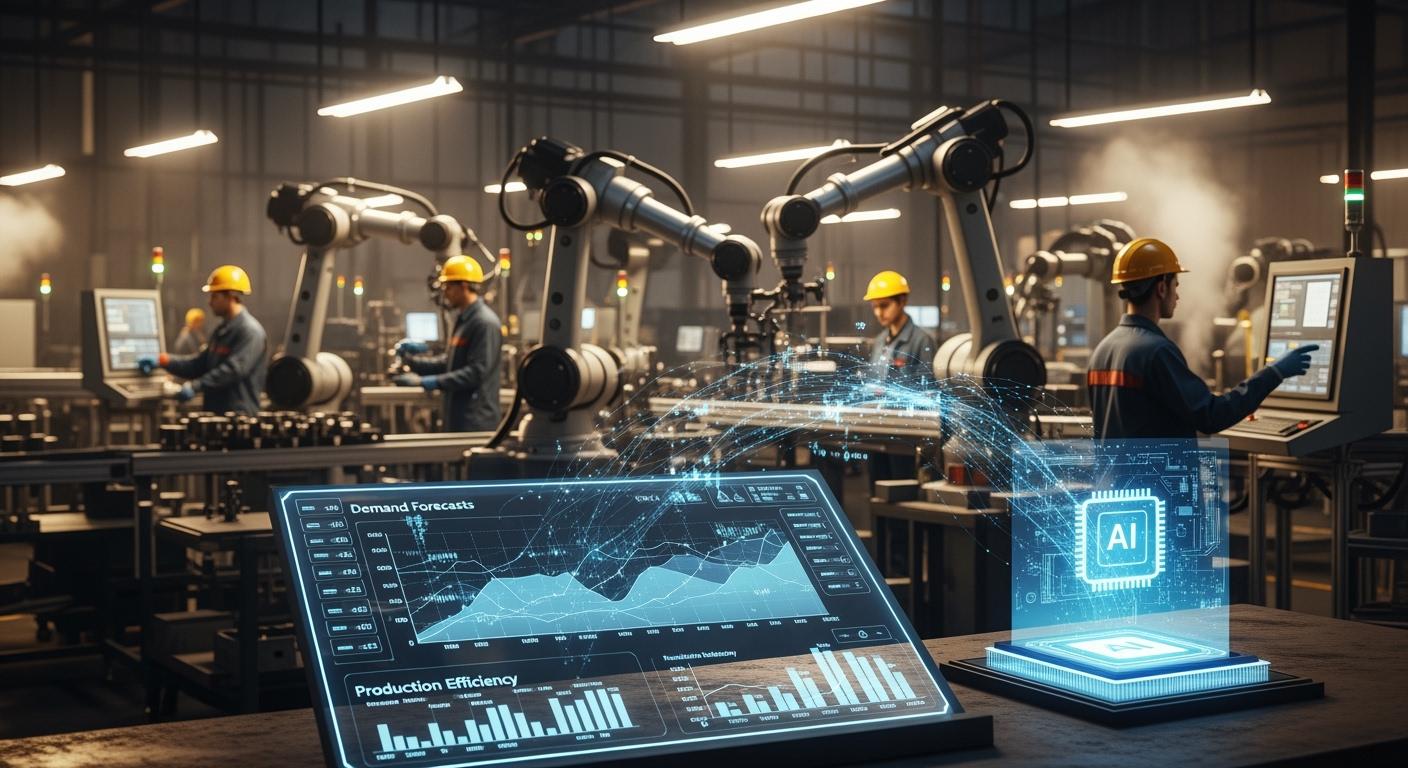
AI demand forecasting changes how you approach manufacturing. With AI, you see higher accuracy and faster results. Many manufacturers now reach 80–95% forecast accuracy during stable periods. This means fewer errors in demand forecasting, fewer stockouts, and less excess inventory. You also get better cash flow and happier customers.
| Forecast Accuracy Range | Description |
|---|---|
| 80–95% | Achieved under stable data conditions using AI demand forecasting software. |
| Impact | Description |
|---|---|
| Fewer forecast errors | Leads to significantly fewer stockouts and lower excess inventory. |
| Reduced carrying costs | Enhances cash flow utilization and customer satisfaction. |
Traditional vs AI Demand Forecasting

Manual Forecasting Challenges
You may find that traditional demand forecasting methods often fall short in today’s fast-paced manufacturing world. These manual approaches rely heavily on past sales data, which can mislead you when markets change quickly. Many planners use spreadsheets and manual adjustments, which can introduce errors and personal bias. Even advanced systems like ERP or APS struggle to keep up with real-time changes. Here are some common challenges you might face:
- Over-reliance on historical data can lead to outdated assumptions.
- Manual interventions increase the risk of mistakes.
- Traditional systems cannot handle sudden demand volatility.
- Real-time responsiveness is limited, making it hard to react to disruptions.
Note: Legacy systems often create chaos by keeping data in separate places, such as ERPs, spreadsheets, and CRMs. This makes it tough to get a clear picture for accurate forecasting.
AI-Driven Improvements
AI-powered demand forecasting changes the game for manufacturers like you. AI systems analyze real-time data and spot shifts in demand early. They pull information from many sources, including ERP systems, weather forecasts, and even social media trends. This integration gives you a much richer view of what drives demand.
- AI models learn from new data and update forecasts automatically.
- Machine learning reduces human bias and improves consistency.
- AI-driven demand forecasting lets you adjust production schedules quickly when demand changes.
- Automation means you spend less time on manual tasks and more time making strategic decisions.
| Aspect | AI Demand Forecasting | Traditional Methods |
|---|---|---|
| Adaptability | Learns continuously from new data | Static models based on historical averages |
| Response to Market Changes | Quick adaptation to demand shifts and disruptions | Slow to respond, often caught off guard |
| Automation | High level of automation in forecasting | Requires significant human oversight |
| Data Processing | Handles high-volume and real-time data | Limited in processing capabilities |
With AI, you can ensure the right products reach the right places at the right time. This approach helps you reduce excess stock and avoid shortages, making your supply chain more resilient to market changes.
AI Demand Forecasting Benefits
Accuracy and Efficiency Gains
You want your forecasting to be as accurate as possible. With ai demand forecasting, you can achieve this goal. AI uses advanced algorithms to analyze sales data, market trends, and real-time signals. This approach helps you predict demand more precisely than traditional methods. You can spot changes in demand faster and adjust your production plans right away.
Here is a table showing measurable improvements after using ai demand forecasting:
| Improvement Type | Percentage Change |
|---|---|
| Forecast Accuracy Improvement | 10% |
| Inventory Cost Reduction | 15% |
| Decrease in Stockout Events | 13% |
You can also see these benefits in your daily operations:
- 30-40% reduction in forecast variance
- 25% improvement in demand planning precision
- 50% faster identification of demand trend changes
- 20-30% reduction in safety stock requirements
- 15-25% decrease in carrying costs
- 40% reduction in stockout incidents
AI-powered demand forecasting helps you align production with market needs. You can make decisions quickly and avoid costly mistakes. AI lets you automate many forecasting tasks, so you spend less time on manual work and more time on strategy.
Tip: AI algorithms can process large amounts of data in seconds. This speed gives you a clear advantage in a fast-moving market.
Reducing Waste and Costs
You want to keep your costs low and reduce waste. Accurate demand forecasting is essential for balancing supply and production schedules. AI helps you avoid overproduction and excess inventory. When you know exactly how much to produce, you do not waste resources or money.
Here are some ways ai demand forecasting reduces waste and costs:
- It optimizes production schedules and inventory management, leading to fewer overstock situations.
- By predicting demand accurately, you minimize waste from unsold or unused products.
- AI-driven tools use machine learning and predictive analytics to provide real-time insights, helping you make better decisions.
You can also lower your production and logistics costs with ai:
- AI-driven models can reduce forecasting errors by 20–50%, leading to significant cost reductions:
- 65% decrease in lost sales and product unavailability.
- 5–10% reduction in warehousing costs.
- 25–40% lower administration costs.
- A global agribusiness improved forecast accuracy by 8%, reducing inventory mismatches and increasing order fulfillment rates, resulting in an estimated $30M in additional gross margin.
Note: AI demand forecasting supports sustainability by preventing overproduction and reducing energy use. You can also avoid unnecessary shipments and cut spoilage.
Enhancing Supply Chain Performance
You need a supply chain that responds quickly to changes in demand. AI makes your supply chain more agile and reliable. It improves forecasting accuracy, which leads to shorter lead times and higher fill rates. You can keep your customers happy by making sure products are available when they need them.
Here is a table showing how ai demand forecasting impacts supply chain performance:
| Impact Area | Description |
|---|---|
| Lead Time | AI-driven forecasting improves forecast accuracy, leading to reduced lead times in supply chains. |
| Fill Rate | Enhanced demand predictions minimize stockouts, improving fill rates and customer satisfaction. |
| Inventory Levels | Optimized inventory management reduces excess stock and emergency replenishments, enhancing overall efficiency. |
You can use ai to:
- Analyze historical patterns and detect new trends, allowing for rapid responses to market disruptions.
- Integrate external data sources, such as market trends and economic forecasts, to identify shifts in consumer behavior.
- Evaluate real-time logistics data and supplier performance, improving planning accuracy and reducing risks of overstocking or understocking.
- Align production with actual demand, minimizing overproduction and reducing inventory carrying costs.
Callout: Real-time insights from ai let you adjust quickly to changes in customer demand or supply disruptions. This agility helps you stay ahead of your competition.
When you use ai demand forecasting, you improve customer satisfaction. You can meet customer needs more accurately and avoid stockouts. This leads to increased sales and a stronger reputation for your business.
Implementing AI in Manufacturing
Adoption Steps
You can start your journey with ai demand forecasting by following a clear set of steps. Begin by defining your goals. Decide what you want to achieve with demand forecasting, such as better inventory optimization or faster response to market changes. Next, collect data from all important sources. This includes sales records, supplier data, and even outside factors like weather or economic trends. Clean and organize this data so it is ready for analysis.
Choose the right forecasting model for your needs. Train the model using your data and check its accuracy. Make sure your new system works well with your current IT setup. Test the model with real data and adjust it as needed. Use the insights to make better business decisions. Keep updating your models to improve results over time.
Tip: Many manufacturers use ai-driven tools that offer real-time updates and actionable recommendations for demand planning.
Overcoming Challenges
You may face some obstacles when you bring ai into your demand forecasting process. Resistance to change is common. Some team members may worry about job security or feel unsure about new technology. Open communication helps build trust. Training and involving employees in the process can make adoption smoother.
Data quality is another challenge. Poor or scattered data can hurt forecasting accuracy. Regular data checks and audits help keep your information reliable. Integration issues may arise if your systems do not work well together. Focus on breaking down data silos and improving compatibility. Always keep data security in mind when transferring large amounts of information.
Best Practices
To get the most from ai in demand forecasting, follow these best practices:
- Collect and integrate high-quality data from all sources.
- Identify key use cases, such as inventory optimization or supply chain planning.
- Develop and refine predictive models using machine learning.
- Start with pilot projects and track performance.
- Prepare your team for change and encourage collaboration.
- Review results often and use feedback to improve.
A recent survey shows that most executives expect ai and automation to become standard in supply chain workflows soon. By following these steps, you can boost efficiency, reduce waste, and improve profitability through better demand forecasting.
Real-World Applications
Automotive Industry Example
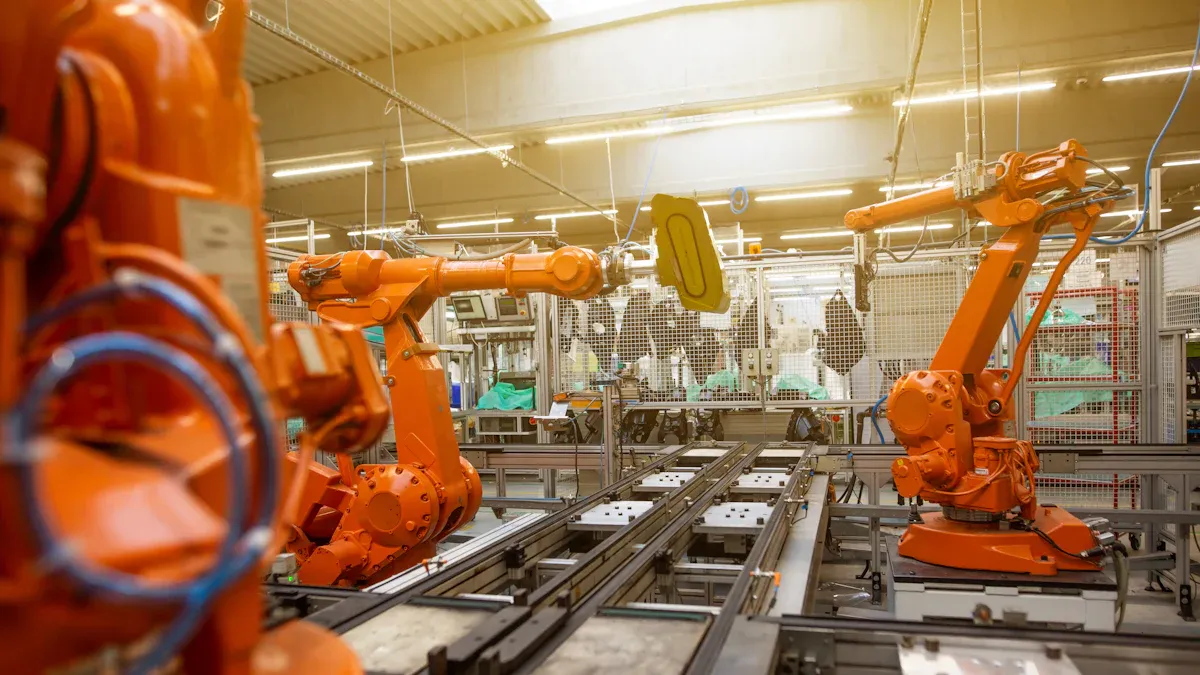
You can see the power of ai in the automotive industry. Manufacturers use ai tools for demand forecasting to adjust production capacity and optimize warehouse space. When you use ai, you can predict demand for both new and existing vehicles. This helps you plan for future sales and returns. Seasonal analysis with ai lets you understand what drives changes in demand, such as holidays or weather patterns. You can then prepare for these shifts and avoid overproduction.
- Manufacturers streamline production schedules with ai, which leads to higher efficiency.
- Automation reduces downtime and helps you use resources better.
- Accurate demand forecasting means you can lower costs and keep customers satisfied.
- By anticipating changes in demand, you reduce waste and improve profitability.
Tip: When you use ai for demand forecasting, you can react quickly to market changes and keep your operations running smoothly.
Consumer Goods Example
In the consumer goods sector, ai transforms how you manage inventory and plan production. You get accurate forecasts at the SKU level, so you avoid both understocking and overstocking. Real-time insights from ai help you make faster decisions. You can keep products available for customers and deliver on time, which builds loyalty.
| Benefit | Description |
|---|---|
| Improved Inventory Management | AI provides accurate forecasts at the SKU level, reducing understocking and overstocking. |
| Faster Decision-Making | Real-time insights enable quicker, informed decisions by business leaders. |
| Enhanced Customer Experience | Accurate forecasting leads to better product availability and on-time deliveries, enhancing loyalty. |
| Cost Savings | Optimized inventory levels lower storage costs, spoilage, and markdowns. |
| Cross-Departmental Alignment | Shared insights foster transparency and alignment across various departments. |
You can also use ai to model consumer behavior and predict the impact of promotions. This helps you reduce stockouts and improve shelf availability. In retail, ai helps you handle seasonal peaks and changing demand patterns. In manufacturing, ai prevents bottlenecks and overproduction. In distribution, ai improves warehouse planning and fleet use.
Note: With ai, you can align your teams and make sure everyone works toward the same demand goals.
You gain a clear advantage when you use ai demand forecasting. This technology gives you accurate predictions, reduces costs, and helps you respond to market changes. To succeed, you should:
- Set goals that connect every department.
- Choose models that fit your planning needs.
- Review and adjust your system often.
| Urgency | Adopting ai is critical for manufacturers to stay competitive in today’s market. |
|---|
You can act now to improve your forecasting and prepare for the future.
FAQ
How does AI demand forecasting improve accuracy?
AI analyzes real-time data from multiple sources. It learns from new information continuously. This process helps you predict demand more precisely than traditional methods, reducing errors and stockouts.
Can AI demand forecasting reduce costs?
Yes. AI minimizes overproduction and excess inventory. It helps you optimize production schedules and inventory levels, lowering storage, waste, and administrative expenses.
Is implementing AI demand forecasting difficult?
It requires planning, data collection, and training. Start small with pilot projects. Overcome resistance by involving your team. Regularly review results to improve your system.
How quickly can AI adapt to market changes?
AI models update automatically as new data arrives. They respond faster than manual methods, allowing you to adjust production and supply chain plans promptly.
What are the main benefits of AI for supply chain performance?
AI improves forecast accuracy, shortens lead times, and increases fill rates. It helps you respond swiftly to demand shifts, reducing stockouts and excess inventory.
See Also
Predicting Future Demand Using AI and Data Analytics
Utilizing AI to Improve Production Forecasting in 2024
Using AI to Anticipate Demand for Your Shopping Needs
AI Scheduling Based on Demand Trends for 2025
Accelerating Market Entry: AI's Role in Shortening Lead Times