

You want your brand to stand out, right? AI makes it easier than ever to create a strong brand visual identity, but keeping everything on-brand can still trip you up. When you use the same visual elements—like your logo, colors, and fonts—people remember your brand faster and trust it more. Studies show brands with consistency get noticed 3.5 times more. Still, you might face issues like visual identity glitches, design resource shortages, or asset management headaches. On-brand ai design helps you build a visual identity that sticks.
Set Brand Visual Identity in AI Tools
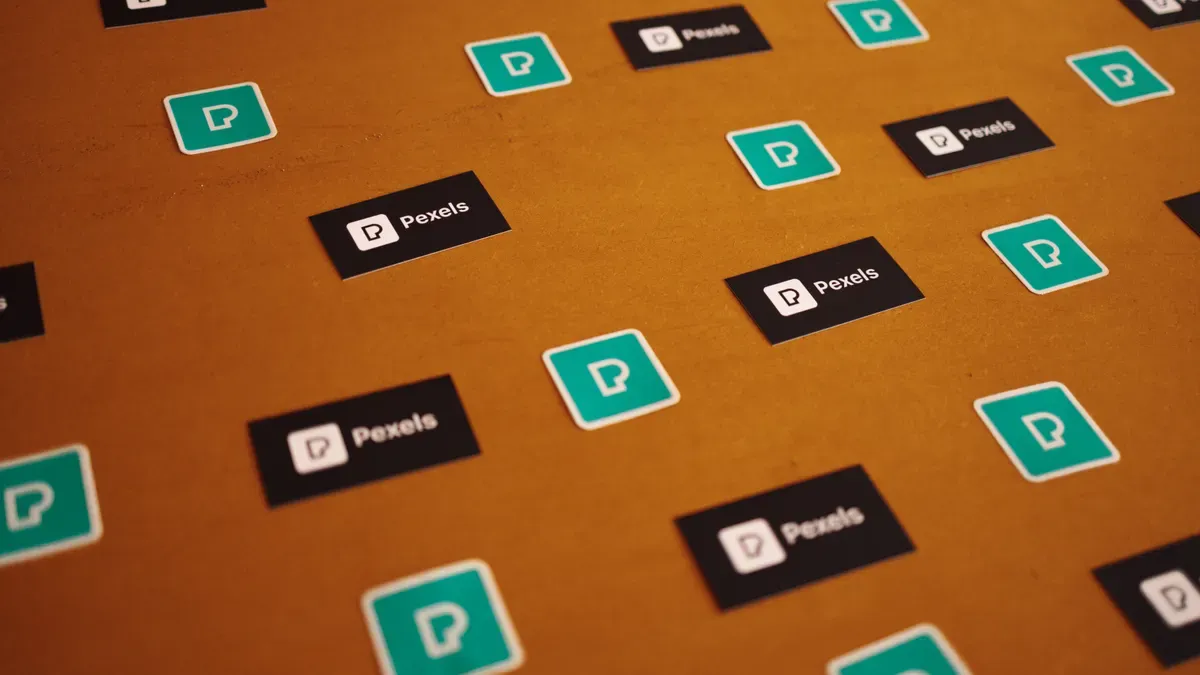
Input Colors, Fonts, Logos
You want your brand to look the same everywhere, right? Start by locking in your brand visual identity inside your favorite ai tools. Upload your logo, pick your main colors, and set your fonts. These visual identity elements help your audience spot your brand in a crowd. When you use the same colors and fonts, your brand stands out and feels familiar.
Many brands use ai to guide them through this process. For example, new models like ResNet101 with advanced optimization help you focus on the most important visual branding pieces. You get a clear path for setting up your brand visual identity. This means your visual content creation always matches your brand guidelines.
Think about your audience. If you want to show trust, blue works well for finance or healthcare. If you want energy, red grabs attention in food or retail. Choose colors that fit your brand personality and make your brand recognition stronger.
Use Style Libraries and Templates
Now, let’s talk about style libraries and templates. These tools make brand consistency easy. You can create a style library with your color palettes, reference codes, and prompt templates. This keeps your brand visual identity locked in for every project.
- Consistent styles can boost your revenue by up to 23%.
- Over 90% of your audience expects a seamless look across all channels.
- Using templates for things like facial structure or color schemes gives your brand a visual signature.
Style libraries also help your team work faster. Ai tools automate boring tasks like image editing and layout tweaks. You spend less time fixing mistakes and more time telling your brand story.
| Aspect | Traditional Methods | AI-Powered Methods |
|---|---|---|
| Format Adaptation | Manual reformatting | Automatic adjustment |
| Version Control | Multiple versions | Single source of truth |
With ai tools, you get visual uniformity and better brand management. You follow your brand guidelines every time. On-brand ai design means your audience always sees the same brand, no matter where they find you. That’s how you build trust and keep your brand top of mind.
Train AI for Brand Consistency
Upload Brand Assets
You want your brand to look the same everywhere your audience sees it. To make this happen, start by uploading your most important brand assets into your ai tools. These include your logo, color palette, and typography. Don’t forget to add written content samples and templates that show your brand’s tone and style. These assets help your ai learn your brand visual identity and keep your visual content creation on track.
When you train ai with these brand assets, you make sure your designs always match your brand guidelines. You don’t have to rely on long style guides or hope your team remembers every detail. The ai remembers your brand’s look and feel, so every design feels familiar and builds brand recognition. If you skip this step, you risk losing consistency. Your audience might see different colors, fonts, or layouts, which can confuse them and hurt your brand management.
Tip: Upload high-quality and up-to-date assets. This helps your ai create on-brand ai design that matches your brand’s identity every time.
Fine-Tune Prompts for Consistency
Now, let’s talk about prompts. You can guide your ai by giving it clear instructions, or prompts, that match your brand’s voice and visual identity. Fine-tuning these prompts helps your ai create designs that fit your brand every time. You can start small and test your prompts on simple tasks. As you see what works, you can expand and improve.
Here are some best practices for training your ai to recognize and replicate your brand:
- Use high-quality, relevant data instead of just lots of data.
- Make sure your dataset covers all the types of designs you want.
- Begin with easy tasks and build up as you learn.
- Watch for any bias in the ai’s output and fix it.
- Use different models for different design needs.
- Test your ai in real-world situations.
- Keep updating your ai with new brand assets as your brand grows.
When you fine-tune your prompts, you get measurable results. Your ai can recognize your brand’s tone and style, so you get the same look and feel every time. This creates a repeatable standard for your brand management and makes scaling your visual storytelling much easier.
| Outcome | Before Fine-Tuning | After Fine-Tuning |
|---|---|---|
| Visual Uniformity | Low | High |
| Brand Consistency | Unpredictable | Reliable |
| Manual Edits Needed | Many | Few |
Leading brands use ai to personalize their designs, keep things transparent, and follow ethical guidelines. This helps them build trust with their audience and keep their brand identity strong over time.
Standardize and Review On-Brand AI Design Outputs

Establish SOPs and Review Process
You want your brand to shine every time someone sees your content. Setting up standard operating procedures (SOPs) helps you keep your brand visual identity strong. SOPs guide your team through each step, making sure your ai tools follow your brand guidelines. You can use a review process that checks for consistency and reliable outputs. Human designers play a big role here. They make sure your ai-generated assets match your brand standards and protect your brand’s reputation. Their expertise helps your brand connect with your audience and keeps your identity unique.
- Human designers check that your brand assets fit your brand guidelines.
- They review ai outputs to make sure your brand feels authentic.
- Their decisions help your brand stand out and keep emotional resonance.
Standardized review processes can cut document review time by up to 75%. Ai-driven workflows turn variable inputs into consistent outputs. You get reliable results that fit regulatory needs. Expert evaluations use review forms and user feedback to keep consistent quality across all your designs. Statistical analysis helps you spot differences in performance, so your brand management stays strong.
Use Checklists and Feedback Loops
Checklists make it easy for your team to follow brand guidelines. You can use feedback loops to improve your ai design process. These tools help you catch mistakes and learn from them. When you track metrics for brand safety, marketing teams see up to 60% improvement in brand consistency. Feedback loops let you collect insights from your audience and team members. You can update your review checklists and training programs based on what you learn.
| Evidence Description | Key Points |
|---|---|
| Feedback loops in AI content creation | Lessons learned lead to better checklists and training. |
| Tracking metrics for brand safety | Teams see big improvements in brand consistency. |
| Systematic feedback collection | Insights from stakeholders keep evaluations consistent. |
| Continuous improvement of AI parameters | Human edits help ai guidelines get better over time. |
You can blend ai insights with direct conversations from your audience. This keeps your brand management transparent and ethical. Use centralized brand asset management to store your brand assets in one place. This makes it easy for your team to find what they need and keeps your visual storytelling consistent. When you use checklists and feedback loops, you build brand recognition and keep your brand visual identity strong.
Tip: Always ask, “Does this design fit our brand guidelines?” If not, update your checklist or review process.
You now have three simple tips to keep your brand strong with ai: set your visual identity in ai tools, train ai for brand consistency, and standardize your review process. When you use these steps, your brand stands out and your audience remembers you. Many brands see faster results, better brand management, and more creative design.
| Benefit | Description |
|---|---|
| Speed | Create brand visuals in minutes. |
| Consistency | Keep your brand guidelines in every asset. |
| Creativity | Try new layouts and ideas for your brand. |
| Data-Driven | Learn what your audience likes for better brand impact. |
- Brands like Microsoft and HubSpot use ai to boost brand consistency and connect with their audience.
- Teams notice more predictable brand outputs and stronger brand identity.
Try these strategies and see how your brand grows. Share your results and help others build a brand that lasts.
FAQ
How do you keep your brand consistent with ai tools?
You upload your brand assets and set your brand colors, fonts, and logo in your ai tool. This helps your brand look the same everywhere. Your brand stands out and people remember your brand more.
Can ai help if your brand changes its look?
Yes! You update your brand assets in your ai tool. The ai uses your new brand style right away. Your brand stays fresh, and your audience always sees your latest brand look.
What if your team uses different ai tools for your brand?
You set up your brand guidelines in each ai tool. You upload your brand assets and use the same brand colors and fonts. This way, your brand looks the same, no matter which ai tool your team uses.
How do you fix mistakes in your brand design from ai?
You check your brand designs with a checklist. If you see a mistake, you update your brand assets or prompts in your ai tool. This keeps your brand looking right every time.
Why does brand consistency matter so much?
Your brand needs to look the same everywhere. When your brand is consistent, people trust your brand more. Your brand becomes easy to spot. This helps your brand grow and stay strong.
See Also
Revolutionary AI Fashion Solutions For A Sustainable Future
The Role Of AI In Managing Fast Fashion Trends
Accelerating Market Entry: AI's Impact On Lead Times
AI-Driven Safety Stock Solutions For Fashion Retail By 2025
Creative Approaches To Merchandise Planning For Retail Success