AI automation is no longer a test project. It now runs core supply chain operations. By 2026, this shift will separate leaders from laggards. Which trends will ...
Machines on the shop floor produce a constant stream of real-time data. Yet many manufacturers still feed their ERP system through delayed spreadsheets, manual ...
Research shows 88% of AI pilots fail to reach production . You see this pattern in operations: teams prove the technology works, then stall. Data silos, weak go...
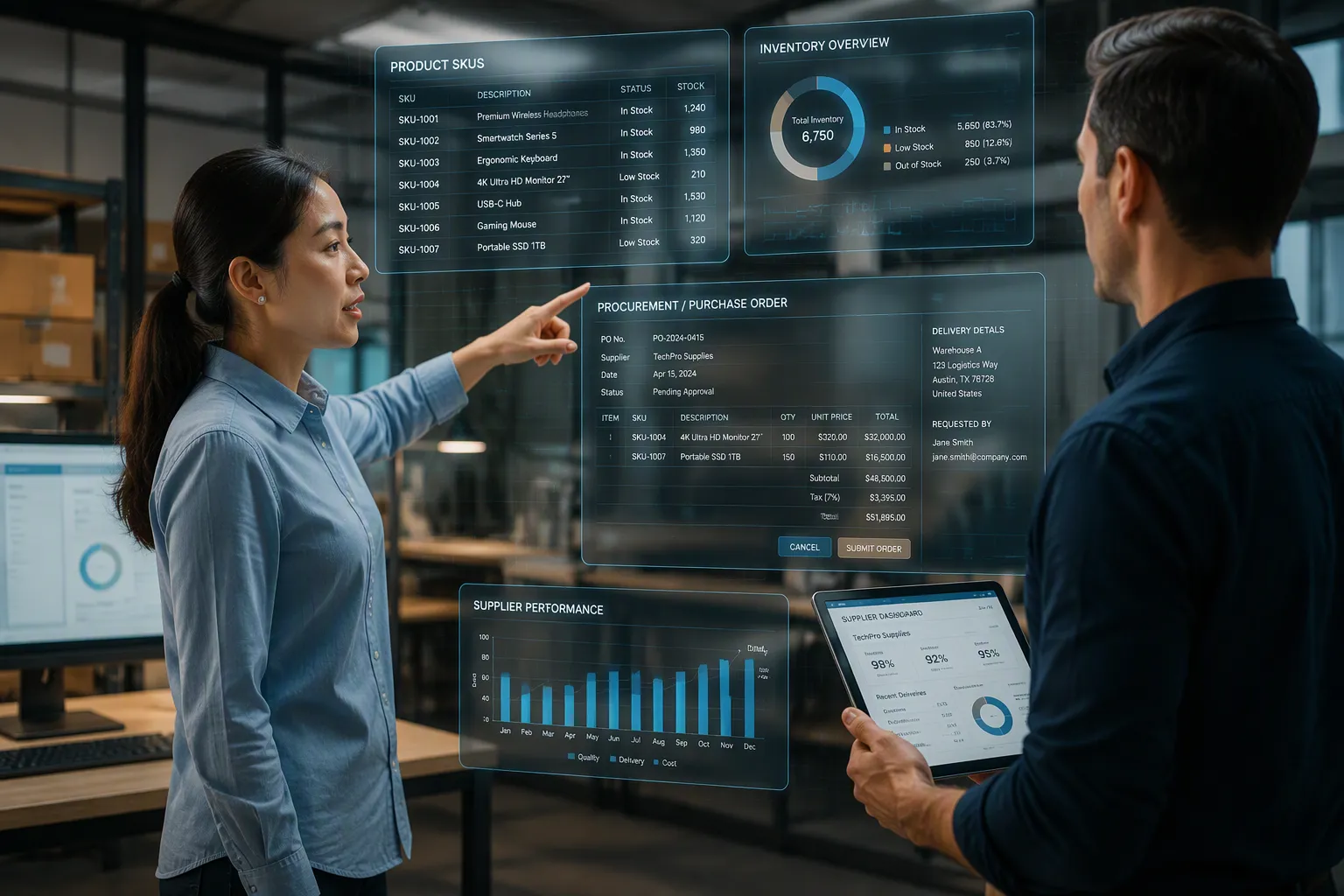
AI ERP agents are goal-directed software systems that manage your SKUs and procurement workflows with minimal oversight. These ai agents read live data from you...
An ai-native erp is not erp software with a chatbot attached. Buyers often confuse ai-native with ai-powered or ai-enabled systems. The difference matters. Thin...
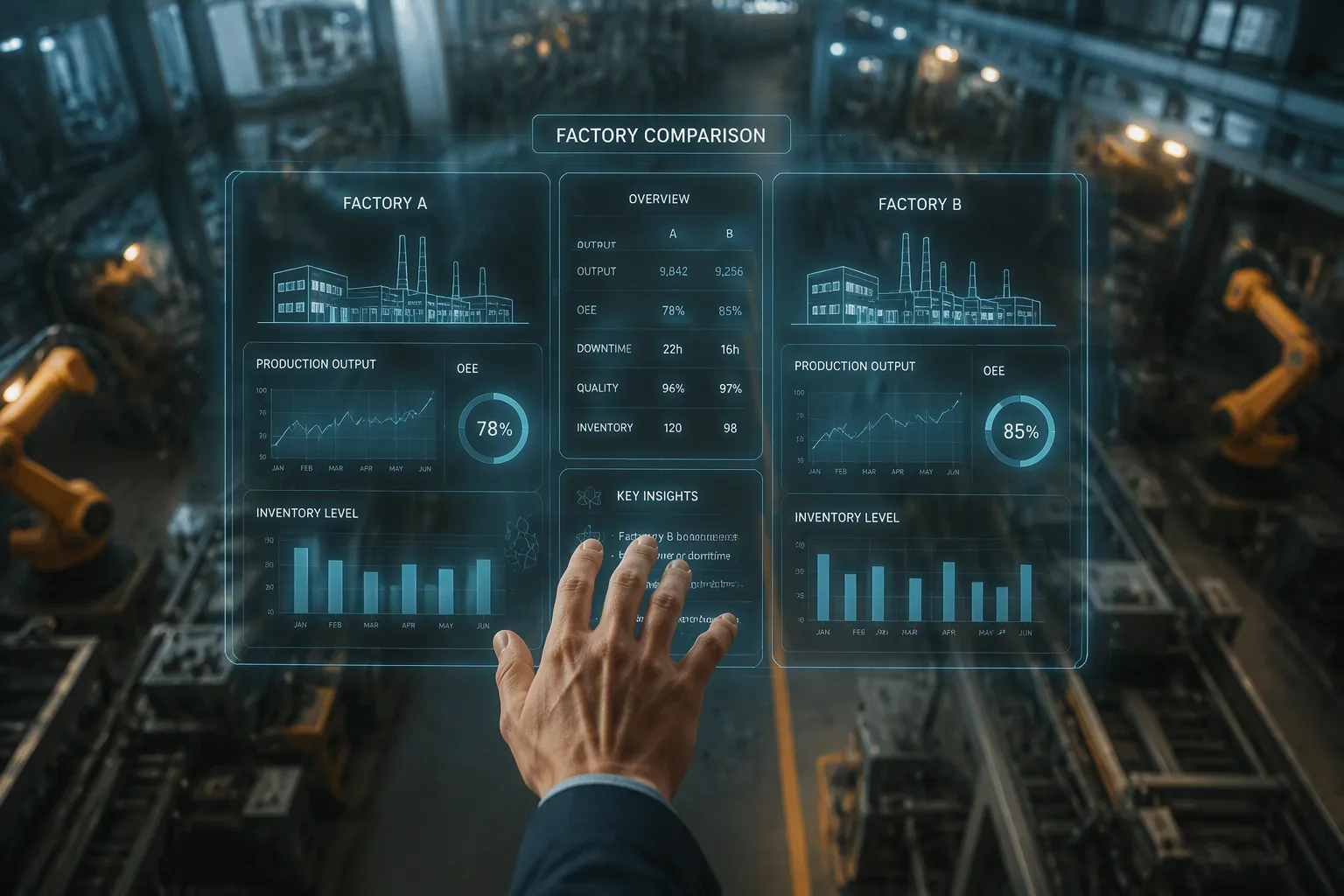
Manufacturers face demand volatility, labor shortages, and margin pressure daily. A dedicated manufacturing erp solves these problems. These systems learn from ...
Syncing warehouse robots in 2026 requires a layered integration approach. You connect business systems through standardized interfaces. The core challenge? robo...
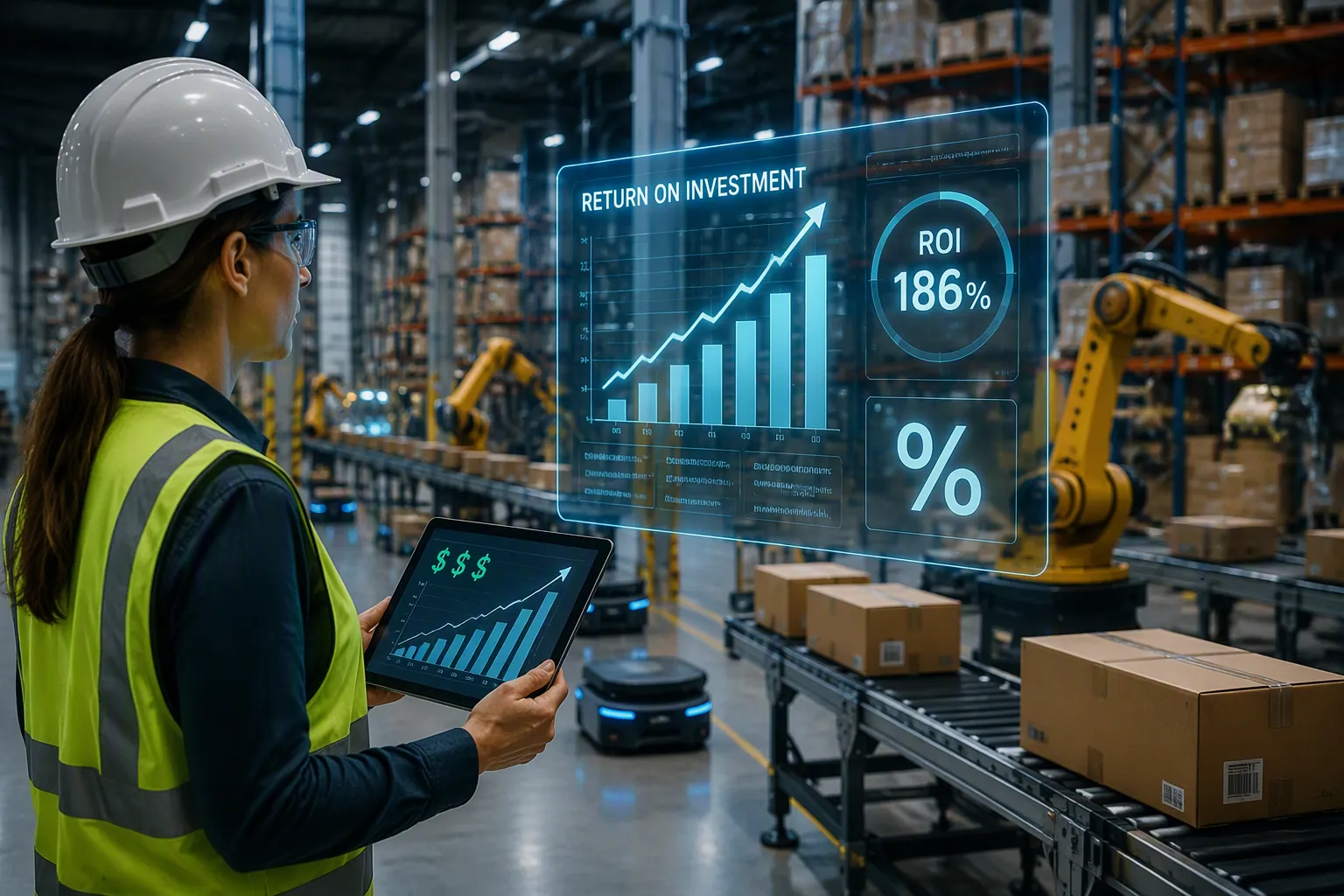
ROI = (Total Savings − Total Costs) ÷ Total Costs × 100. This simple formula anchors every warehouse automation decision. The math stays straightforward once te...
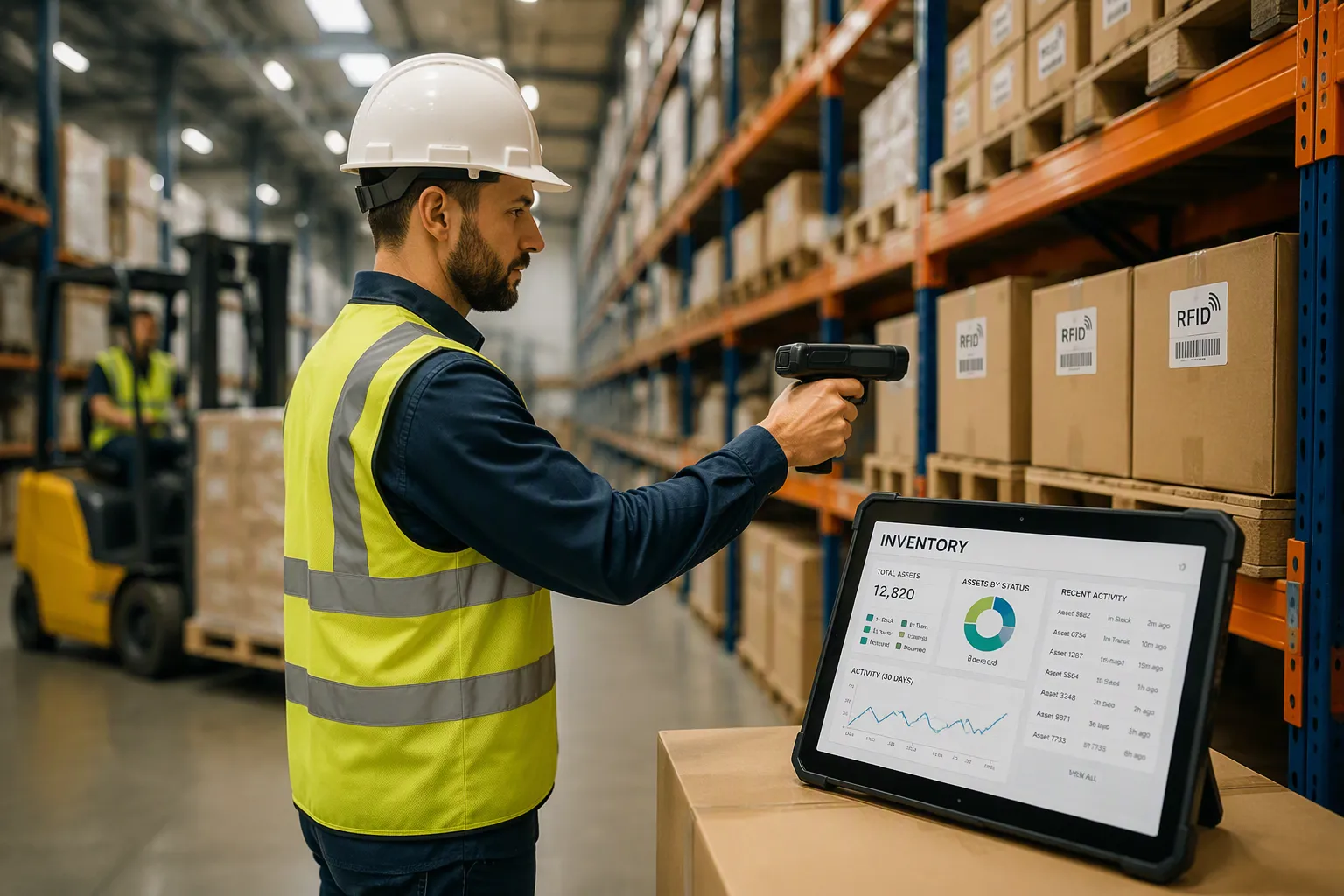
Radio frequency identification uses radio waves to identify and track tagged items automatically. This technology gives your warehouse continuous, real-time inv...
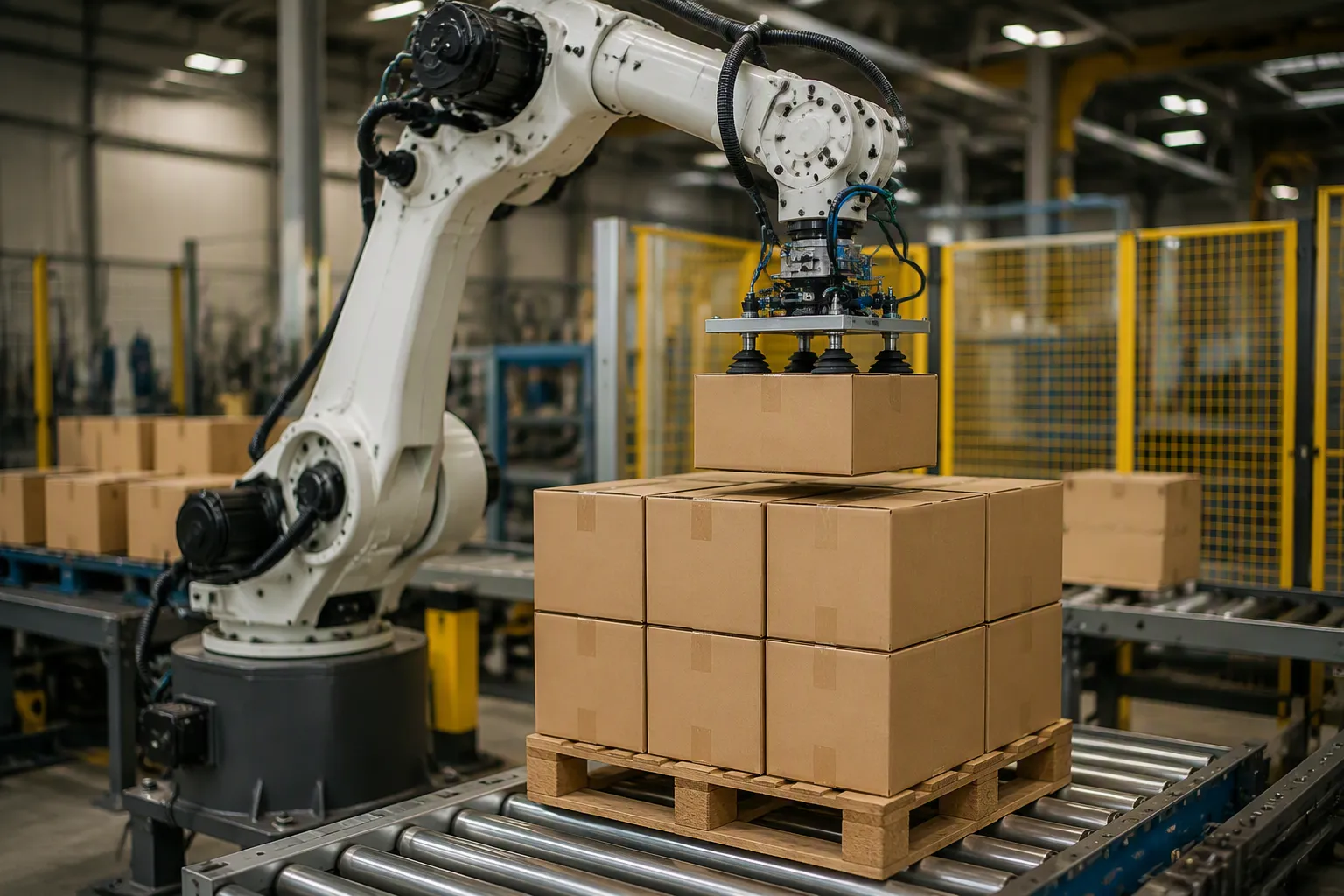
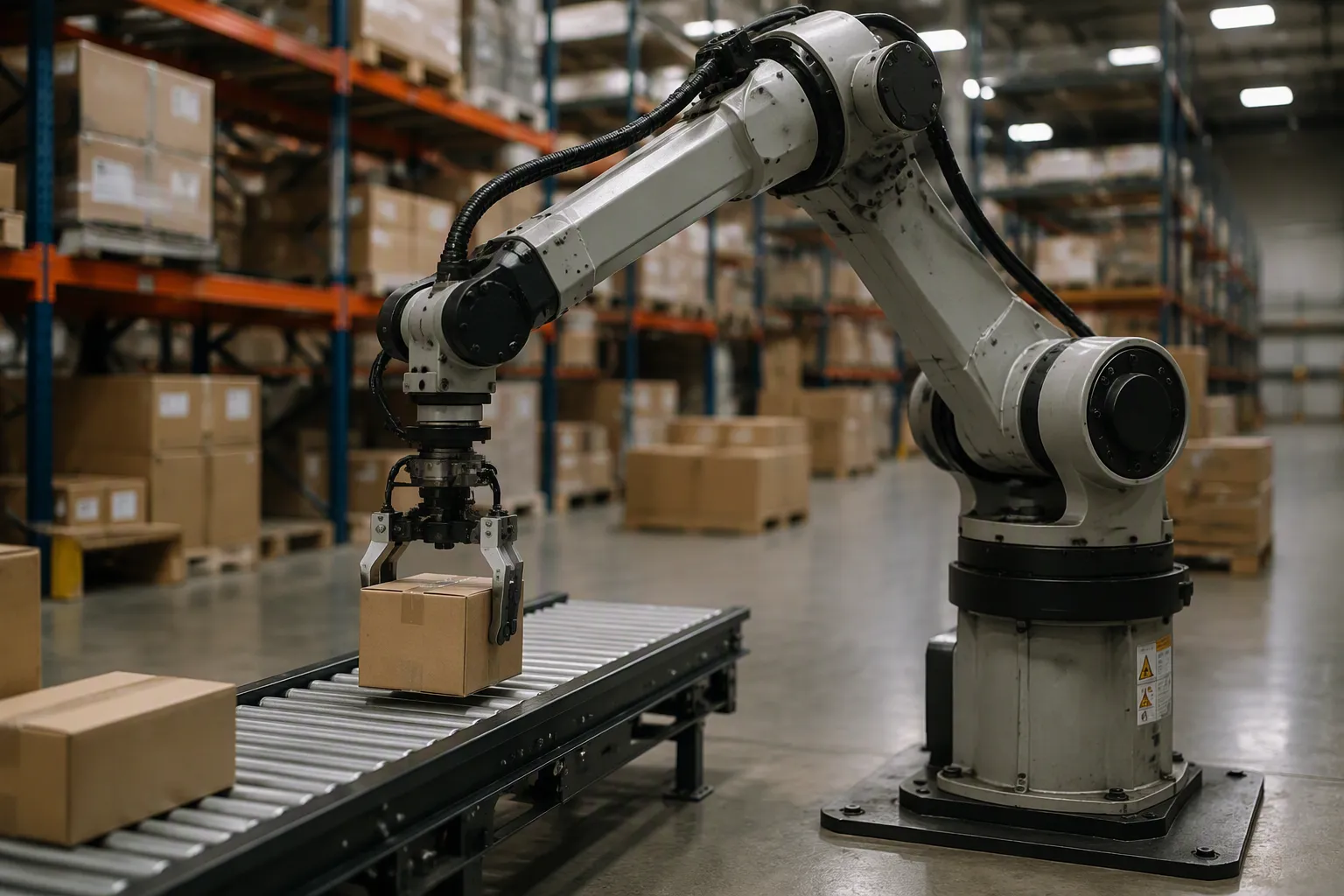
A robotic picking arm is a programmable manipulator. It grasps items and moves them from one place to another. Motors drive its joints, and software directs eve...
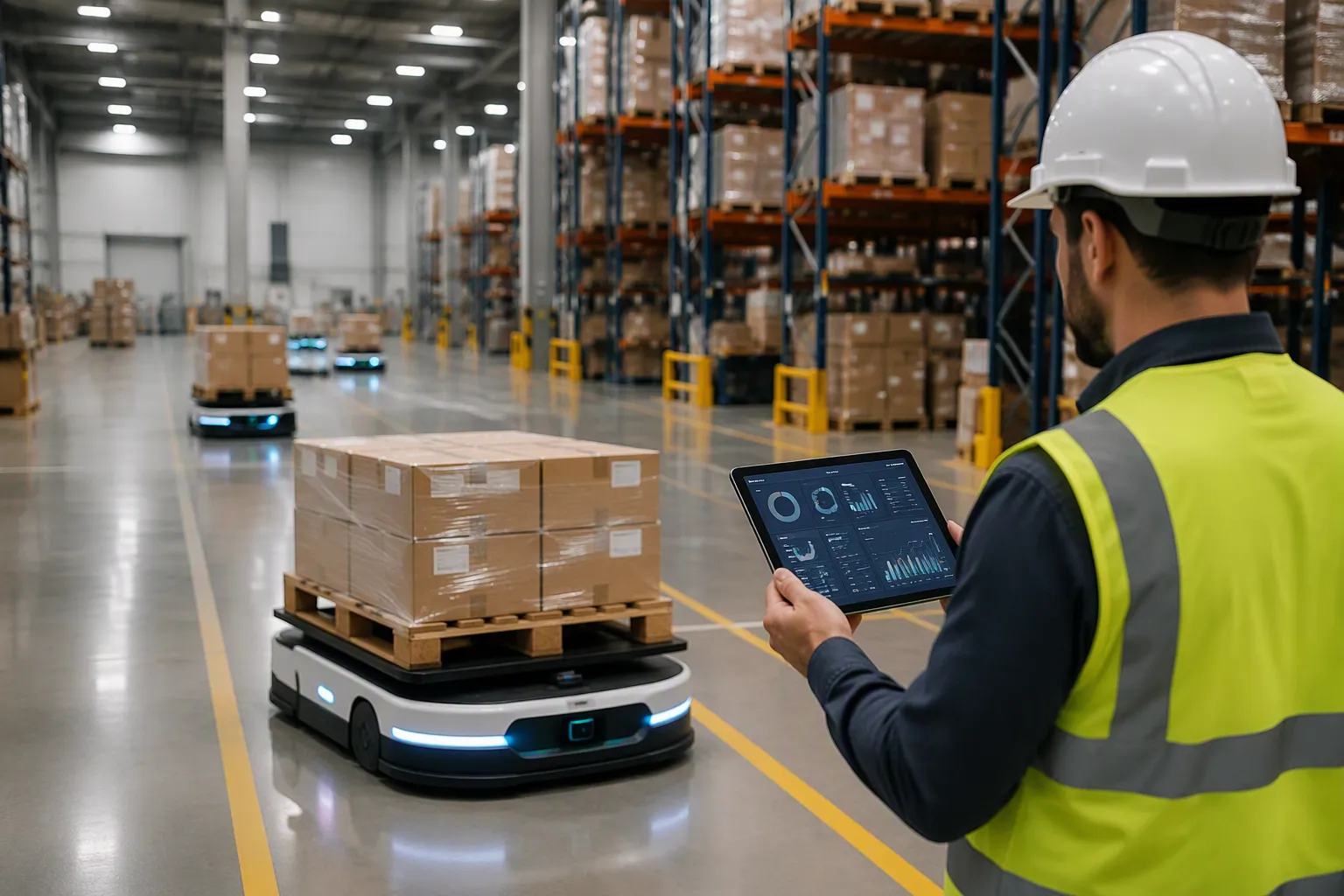
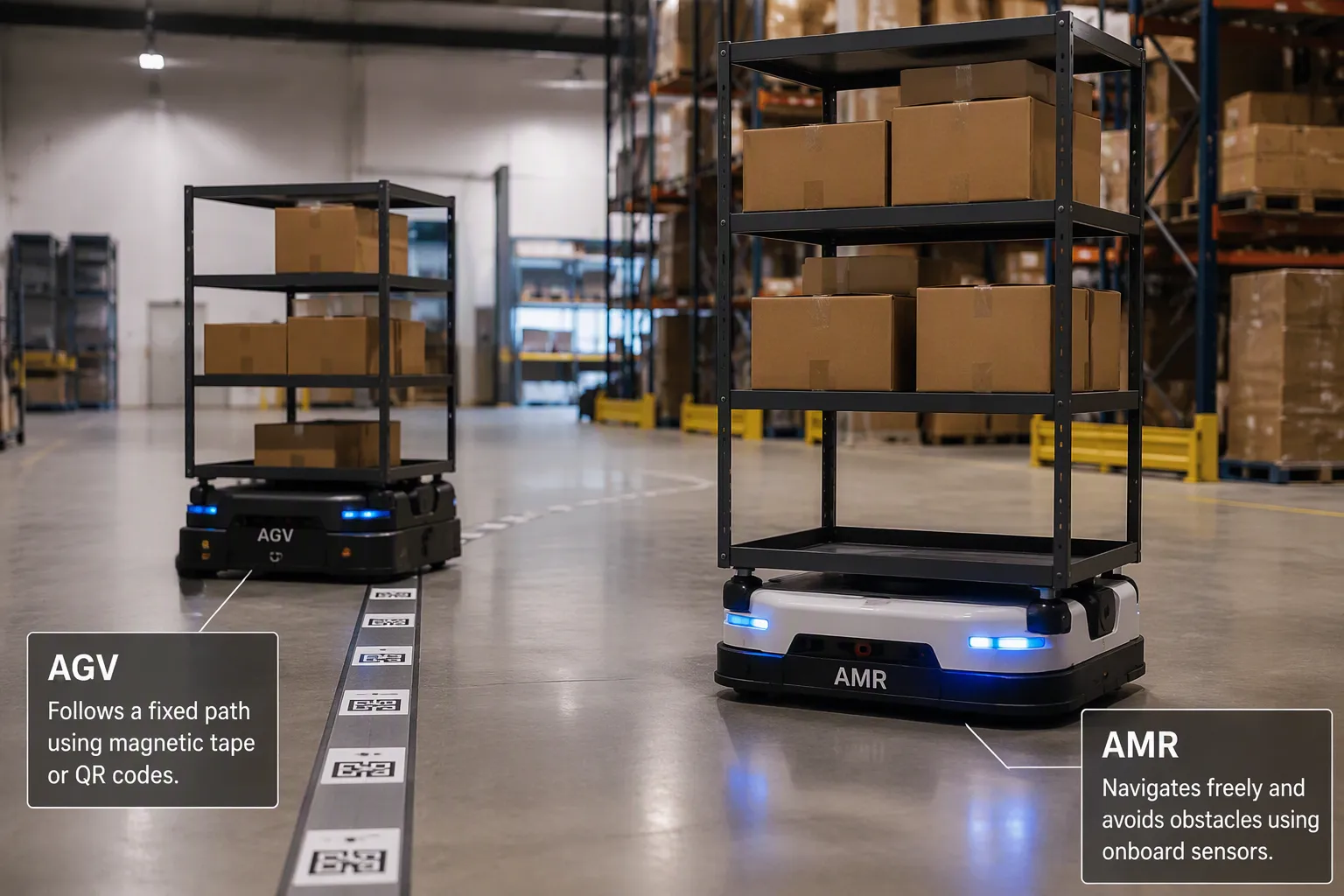
An Automated Guided Vehicle (AGV) follows a fixed path marked by wires, tapes, or magnets. An Autonomous Mobile Robot (AMR) navigates autonomously using onboard...