

You can forecast bestsellers by tracking key social media engagement metrics like shares, comments, and pins. These online behaviors create predictive demand signals, revealing "weak signals"—or early consumer preference shifts—long before traditional market research notices them.
Real-time behavioral data bridges the gap between emerging audience desires and actual inventory production.
This social insight upgrades your overall demand forecasting. Remember, social signals function independently of direct search engine ranking factors. You gain a powerful market edge to spot the next breakout bestseller early.
Predictive Power of Social Signals
Limitations of Legacy Research
Legacy research relies on historical sales reports. These old reports create serious operational vulnerabilities for your brand. You risk ordering declining products when market dynamics shift unexpectedly. Relying only on past data creates blind spots during sudden cultural pivots. You cannot build accurate demand forecasting models using lagging 12-month runway schedules alone. Instead, you need real-time consumer signals to balance your baseline metrics.
Real-Time Data Velocity
Real-time social data moves rapidly in weekly cycles. You capture active user interaction metrics like shares, comments, and pins immediately. These user interactions generate predictive demand signals before product saturation happens. You can use these predictive demand signals to drive reactive purchasing and fast capsule drops.
| Dimension | Real-Time Social Data | Historical Sales Data |
|---|---|---|
| Data Velocity | Moves rapidly in weekly cycles | Operates on lagging 12–18 month schedules |
| Primary Function | Captures customer demand for agile inventory | Guides baseline merchandise planning |
| Risk Profile | Reduces missed sales and markdown costs | Risks overstocking during cultural shifts |
Tracking these engagement metrics sharpens your demand forecasting. However, keep your strategic goals clear. Social listening drives product innovation and fuels customer demand. It serves product strategy rather than direct SEO search ranking factors.
Spotting Weak Signals Early
You must identify subtle trends before competitors spot them. Specialized methodologies help you capture these early shifts.
- Real-time Social Listening: Tracks organic discussions across TikTok and Instagram to capture predictive demand signals.
- Visual Social Listening: Analyzes large-scale image data on Pinterest to spot visual lifestyle shifts.
- Edge Platform Monitoring: Scans niche networks like Reddit to catch emerging vocabulary.
These predictive demand signals highlight weak behavioral changes early. You transform raw online chatter into precise demand forecasting. This strategic approach strengthens your overall product development pipeline.
Social Indicators to Forecast Bestsellers

Tracking Linguistic Shifts and Search Intent
You need accurate insights to forecast bestsellers in competitive markets. Consumer language changes rapidly across digital channels. Buyers invent new slangs, descriptors, and search queries every day. You can track these subtle vocabulary changes through text mining tools. Early search queries reveal unfulfilled customer problems before products exist on store shelves.
Smart brand managers monitor emerging comment phrases on social platforms. These search phrases show clear purchase intent and changing product needs. You turn raw text conversations into actionable predictive demand signals.
Monitoring slang shifts helps you capture organic interest before mass adoption begins.
Next, you connect social vocabulary spikes with commercial production plans. You can refine your demand forecasting models using fresh search volume data. This early action gives your product team a massive head start.
Analyzing Visual Aesthetics and UGC
Visual platforms display immediate shifts in lifestyle aesthetic trends. You can analyze user-generated content to measure real customer enthusiasm. Photo uploads and video posts highlight popular colors, shapes, and materials.
User engagement directly impacts commercial performance. Accumulating a baseline threshold of merely 10 customer reviews yields a measurable 45% enhancement in sales conversion performance. The volume of user-generated content creates actionable predictive demand signals for your merchandising team.
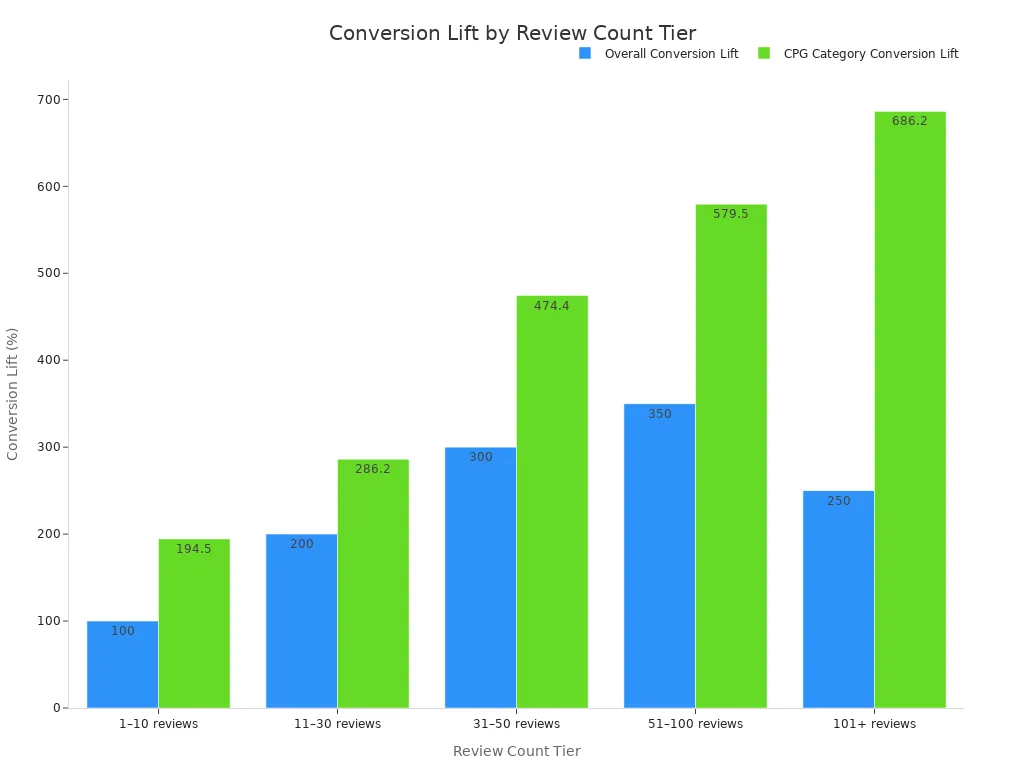
The table below shows conversion increases across different review count tiers:
| Review Count Tier | Overall Conversion Lift | CPG Category Conversion Lift |
|---|---|---|
| 1–10 reviews | ~100% | 194.5% |
| 11–30 reviews | ~200% | 286.2% |
| 31–50 reviews | ~300% | 474.4% |
| 51–100 reviews | ~350% | 579.5% |
| 101+ reviews | >250% | 686.2% |
Higher review counts generate massive sales growth in consumer categories. You can review the visual representation of this growth curve here:
Visual customer feedback strengthens your overall demand forecasting. You secure a major competitive advantage by monitoring creative content volume.
Measuring Micro-Trend Engagement Velocity
Engagement velocity measures how fast social posts gain shares and saves. High save ratios signal real buying intent rather than casual entertainment. You must distinguish short-term viral spikes from sustainable long-term trends.
Fast velocity metrics generate vital predictive demand signals for inventory planning. You compare share rates against historical engagement baselines. Rapid sharing activity indicates strong market momentum across target demographics.
High Engagement Velocity = (Shares + Saves) / Time > Historical Baseline
You apply these velocity metrics directly to your demand forecasting process. Quick engagement growth warns you to increase production runs immediately. Slow growth alerts you to halt unnecessary manufacturing orders.
Evaluating Creator Content and Sentiment
Content creators shape consumer taste and drive product adoption. You should evaluate creator video comments and mood indicators continuously. Positive sentiment in creator comment sections predicts high conversion rates.
Advanced sentiment analysis tools classify customer reactions automatically. You extract precise emotional cues from video responses and unboxing clips. These real-time sentiment shifts create clear predictive demand signals across key market segments.
You use this sentiment data to forecast bestsellers with high operational precision. Modern retail leaders build flexible procurement plans around real audience enthusiasm. Your proactive strategy optimizes inventory allocation and modernizes your overall demand forecasting.
Bestseller Case Studies in Action
Navigating the Fast-Growing Dupe Economy
Social media chatter transforms low-cost alternatives into viral retail hits. Modern shoppers prioritize smart budget finds over traditional prestige symbols. You can track this mindset shift through massive engagement metrics across online platforms.
| Metric / Indicator | Value / Figures | Relevance to Dupe Trend |
|---|---|---|
| Global Market Size (2025) | USD 42.3 Billion | Economic baseline for budget alternatives |
| TikTok #dupe View Count | Over 7.5 Billion Views | Quantifies viral social media reach |
Shoppers actively search for affordable options online. This viral interest shifts customer demand toward accessible products faster than ever before. You protect your revenue when you monitor these early budget conversations.
Capitalizing on Niche Lifestyle Movements
Niche aesthetic movements rapidly move from digital spaces to mainstream store shelves. You can watch online micro-communities to spot emerging product themes.
- Cottagecore: Nostalgic countryside elements inspire widespread home décor lines.
- Y2K Revival: Nostalgic early-2000s fashion scales up across major retailers.
- Coquette Aesthetic: Hyper-feminine bow details drive cohesive apparel lines.
These visual subcultures show precise consumer preferences. Tracking these micro-movements helps you forecast bestsellers long before mainstream competitors adapt.
Fast-fashion retailers scale digital micro-trends into physical apparel lines within weeks.
Translating Viral Hype to Retail Shelves
Fast social engagement alerts you to sudden market opportunities. You capture massive commercial value when you turn viral momentum into fast supply chain decisions. Real-time online posts show immediate product interest.
Social Buzz Detection -> Agile Sourcing -> Fast Retail Inventory
Spotting a breakout bestseller on social media lets you adjust production runs quickly. You match physical stock with live customer demand, driving rapid retail turnover without excess markdown risks.
The Listen, Map, Activate Framework for Demand Forecasting
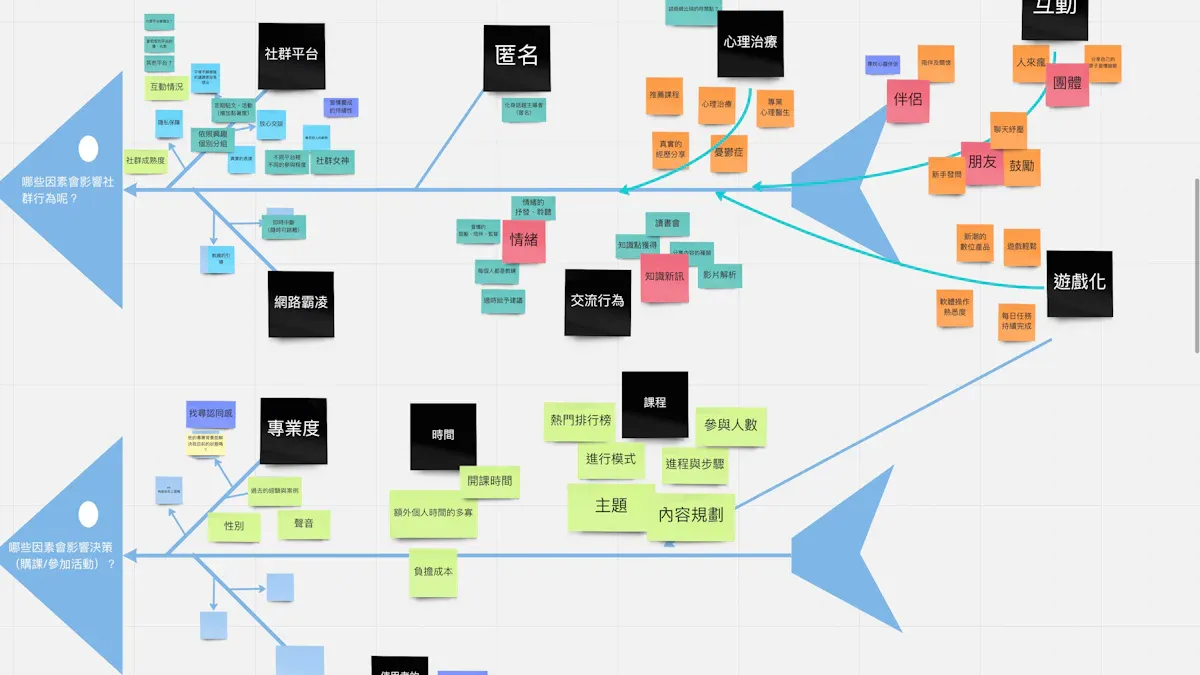
You can build a reliable system to capture fast market shifts. The Listen, Map, Activate framework turns social media noise into accurate retail plans. You connect real-time online signals directly with your operational workflow.
Building a Predictive Social Listening Stack
You must gather clear digital signals before processing market data. A modern monitoring system scans key social platforms continuously. Modern brand leaders implement advanced data analytics software to track brand mentions, comments, and post shares.
Social data platforms collect millions of raw metrics every second.
Your technical stack processes unstructured text using advanced machine learning models. Combining social scraping tools with ai-powered demand forecasting clarifies future consumer needs. These digital listening systems generate strong predictive demand signals across multiple sales channels.
Social Data Scrapes -> Sentiment Engines -> Predictive Demand Signals
Mapping Audience Intelligence to Product R&D
Raw data requires clear operational context. You must translate online engagement into actual product features, colors, and materials. Your product development team analyzes viral user posts to understand real customer demand.
You map comment phrases directly to raw material choices:
- Visual Descriptors: Extract popular color palettes from user-generated image clusters.
- Feature Requests: Identify common product pain points in creator comment sections.
- Material Preferences: Track growing interest in specific fabric types or eco-friendly textures.
This structured mapping process refines your overall demand forecasting. You eliminate design guesswork by using live audience sentiment. Your R&D team crafts high-margin products that align with active market interests. You validate emerging concepts before committing major capital. Effective correlation models connect social velocity metrics with actual sales volume predictions, improving modern demand forecasting.
Activating Agile Supply Chain Responses
A fast supply chain turns online buzz into physical inventory. You must adjust your manufacturing lead times as soon as product interest surges online.
Agile manufacturers adjust supply operations using three primary strategies:
- Nearshoring Production: Relocating manufacturing operations closer to key target markets significantly decreases transit durations.
- Regional Partnerships: Collaborating with regional manufacturing partners enables swift, flexible responses to sudden changes in market demand.
- Modular Nodes: Deploying adaptable, decentralized fulfillment and assembly centers absorbs sudden demand shocks and provides fast alternative routes to consumers.
Smart inventory management keeps your operations stable during sudden viral spikes. You protect your distribution network against dangerous stockouts through structured operational safeguards:
- Velocity-Based Throttling: Automatically recalculates and alters inventory reserve levels dynamically as soon as product purchasing speed surges by tenfold or higher due to sudden social media popularity.
- Conservative Stock Allocation: Reserves cautious inventory margins on highly viral sales channels (such as TikTok Shops) to account for rapid trend shifts and cross-platform inventory synchronization delays.
- AI & Sentiment Analysis: Uses Natural Language Processing (NLP) tools to evaluate online customer discussions and social media trends to forecast sudden spikes in product interest.
- Safety Stock Contingency Buffers: Keeps emergency stock calculated via mathematical lead time formulas:
Safety Stock = (Maximum Daily Sales × Maximum Lead Time) – (Average Daily Sales × Average Lead Time)
Integrating these operational steps upgrades your overall demand forecasting. You satisfy surging customer demand without building costly surplus inventory. Modern supply chain flexibility protects your profit margins during unpredictable viral cycles. Precise operations transform temporary online hype into long-term commercial success.
Measuring Forecasting Accuracy and ROI
You must track performance metrics to validate your social listening strategy. Measuring system performance helps you refine your algorithms continuously. You evaluate your inventory efficiency by comparing projected sales against actual fulfillment records.
Higher signal quality leads directly to stronger sales performance. You calculate your overall forecast accuracy using standard error formulas across each product category:
Forecast Accuracy = 100% - Absolute Percentage Error
Tracking baseline error margins highlights operational improvements over time. Improving your overall forecast accuracy reduces markdowns on slow-moving merchandise. You save substantial capital by avoiding overproduction risks. High forecast accuracy ensures optimal resource allocation across all manufacturing tiers.
Data Processing -> Accurate Predictions -> High ROI
You master modern demand forecasting by linking audience signals to inventory execution. Structured social listening gives your team an unbeatable market advantage. You scale bestsellers quickly while protecting your operational bottom line. Modern demand forecasting transforms chaotic market noise into reliable profit drivers.
Social media interaction metrics give you a distinct advantage in modern demand forecasting. You track real-time audience engagement to capture predictive demand signals instantly. Move your business away from reactive inventory management today. Embrace a proactive, social-signal-driven product strategy to forecast bestsellers with confidence.
Monitor key performance indicators to track your long-term success with every potential bestseller:
| Functional Category | Recommended Key Performance Metrics | Forecasting & Business Purpose |
|---|---|---|
| Sales Metrics | • Revenue & Revenue Growth Rate • Net Profit & Gross Margins • Customer Lifetime Value (CLV) • Average Order/Cart Value | Measures long-term profitability, repeat revenue generation, and financial scaling capability. |
| Marketing Metrics | • Customer Acquisition Cost (CAC) • Conversion Rate (CR) • Return on Ad Spend (ROAS) • Cost Per Lead (CPL) | Evaluates long-term campaign efficiency, budget allocation, and sustainable acquisition channels. |
| Retention & Operational Metrics | • Churn Rate • Customer Loyalty & Satisfaction • Process Efficiency & Order Fulfilment Speed | Assesses business stability, customer retention resilience, and operational scalability. |
Aligning your operations with real-time digital chatter upgrades your overall demand forecasting and secures lasting market leadership.
FAQ
How do social signals differ from search engine ranking factors?
Social signals capture real-time user engagement like shares, saves, and comments. You use these metrics to predict retail demand. However, major search engines do not use social interaction metrics as direct SEO ranking factors. These indicators serve product strategy rather than search engine placement.
What are weak signals in social trend forecasting?
Weak signals represent early, subtle shifts in consumer preferences across niche digital platforms. You spot new slang, visual aesthetics, and unfulfilled needs before mass markets adopt them. Tracking these early indicators helps your team design winning products before competitors notice the demand.
How fast can you adjust inventory based on viral trends?
Agile brands update inventory runs within two to four weeks.
You achieve fast turnarounds by utilizing nearshore suppliers and modular fulfillment nodes. Tracking engagement velocity helps you scale popular manufacturing orders quickly or pause slow-moving production lines before overstock occurs.
Which social platforms yield the best predictive demand signals?
- TikTok: Captures rapid micro-trend velocity and viral comment sentiment.
- Pinterest: Highlights emerging visual aesthetics and long-term buyer intent.
- Instagram: Provides high-volume user-generated content and product reviews.
You combine metrics across all three platforms to sharpen your overall demand forecasting.
See Also
Leveraging Retail Sales Data To Create Precise Fashion Forecasts
Managing Rapidly Changing Viral Fast Fashion Trends Using Artificial Intelligence
Predicting Upcoming Apparel Trends And Boosting Sales Through Machine Learning
Essential Omnichannel Distribution Strategies Driving Modern Retail Business Success
Balancing Apparel Supply And Consumer Demand Using Modern Predictive Analytics