

AI is changing how you approach cross-border ecommerce. You now have tools that make global ecommerce more efficient and open new doors for seamless international expansion. When you think about expanding operations internationally, you face challenges like compliance, localization, and logistics. AI helps you manage complex international regulations, improve shipping, personalize offers for international markets, and simplify payment processes.
| Challenge | AI Solution |
|---|---|
| Regulatory Compliance | Improved data analysis for compliance |
| Logistics and Shipping Problems | Enhanced operational efficiency |
| Market Entry and Competition Barriers | Personalization of offerings |
| Payment Processing Problems | Streamlined payment integration |
You gain real benefits from AI whether you run a small business or a large company. With the right tools, international ecommerce growth becomes easier and more accessible for everyone.
How AI Drives Cross-Border eCommerce Growth
Accelerating Market Entry
You want to reach new markets quickly. AI helps you do this by removing many barriers that slow down cross-border ecommerce. With automation, you can translate product listings, adjust prices for local markets, and handle different currencies with ease. AI tools analyze international trends and customer preferences, so you can launch products that fit each market. You do not need to spend months researching or hiring large teams. Instead, you use AI to gather data, predict demand, and make smart decisions fast. This approach gives you a head start and helps you compete with established brands in global ecommerce.
Tip: Use AI-powered automation to test new markets with small product batches before a full launch. This reduces risk and helps you learn what works best.
Boosting Efficiency and Reducing Costs
AI brings automation to many parts of your ecommerce operations. You can automate order processing, inventory management, and customs paperwork. This reduces manual work and lowers the chance of errors. When you ship over 1,000 international orders, AI customs duty automation can save you between $5,000 and $50,000 each year. A European fashion retailer saved about €80,000 annually after using AI to cut customs penalties by 40%. These savings come from fewer mistakes and faster processing.
- AI agents automate labor-intensive tasks.
- They help you avoid costly errors.
- You see significant operational savings.
You improve performance by letting AI handle repetitive jobs. This means your team can focus on strategy and customer service. Automation also helps you scale up without hiring more staff. As your business grows, AI keeps your operations smooth and cost-effective.
Enhancing Customer Experience
AI transforms the customer experience in cross-border ecommerce. You can use AI to personalize product recommendations, answer questions in real time, and solve problems before they grow. Customers feel more confident when they know the total cost of their order and get support in their own language. AI agents reduce uncertainty and friction, making the shopping journey smooth from start to finish.
- AI clarifies total costs for international shoppers.
- It provides fast, localized support.
- It offers intelligent solutions when issues arise.
AI-driven personalization leads to better results for your business. You see a 26% increase in conversion rates, and 78% of targeted customers return for more purchases. Average order value can rise by 50% when you use AI to tailor the shopping experience.
| Benefit | Statistic |
|---|---|
| Conversion Rate Optimization | 26% increase in conversions |
| Increased Customer Loyalty | 78% of targeted consumers repeat purchases |
| Increased Average Order Value | 50% increase in AOV through personalization |
You boost performance and build loyalty by making every customer feel understood. AI gives you the tools to deliver a seamless experience, no matter where your customers live. This level of innovation sets you apart in the world of cross-border ecommerce and drives growth for your business.
AI Agents in Cross-Border eCommerce
What Are AI Agents?
You can think of AI agents as digital assistants that work for your business around the clock. These agents use advanced technology to make decisions, solve problems, and complete tasks without needing your constant input. They help you manage many parts of cross-border eCommerce, from talking to customers in different languages to checking if your products follow local rules.
AI agents do more than just follow instructions. They understand your goals and the challenges you face. They use information from your business systems, like inventory or payment platforms, to make smart choices. Over time, they learn from past actions and get better at their jobs. This means you can trust them to handle important tasks while you focus on growing your business.
Here is a table that shows the main functions of AI agents in cross-border eCommerce:
| Function | Description |
|---|---|
| Reasoning | Understands goals, rules, and context to choose the best actions. |
| Tools | Uses APIs and connects with systems like CRM, ERP, WMS, and shipping carriers. |
| Memory | Remembers past actions and results to improve over time. |
| Multilingual capabilities | Handles product data and support in many languages. |
| Landed cost intelligence | Calculates costs using HS codes and local regulations. |
| Pricing automation | Sets prices based on market signals and demand. |
| Fraud and risk scoring | Checks for risks and follows local rules. |
| Compliance-aware workflows | Makes sure your business follows all regulations. |
| Omnichannel orchestration | Manages communication across web chat, email, and social media. |
| Task automation | Automates repetitive tasks to save time and money. |
You can see that these agents cover many areas. They help you move faster, avoid mistakes, and serve customers better.
Key Capabilities for Global Expansion
AI agents give you the power to expand your business into new countries with less effort. They work independently and make decisions on their own. They also learn from each customer interaction, so they get smarter over time. You can set clear goals for them, like increasing sales or solving customer problems, and they will work toward those goals.
Here is a table that explains the essential capabilities of AI agents for global growth:
| Characteristic | Description |
|---|---|
| Autonomy | Works without needing you to guide every step. |
| Adaptability | Learns from each task and gets better with experience. |
| Goal-oriented behavior | Focuses on results, such as more sales or happier customers. |
| Environmental awareness | Understands your business data, inventory, and customer needs. |
AI agents also help you localize your business for each market. They can:
- Map and format product data for different countries.
- Translate content into many languages and adjust it for local customs.
- Change measurements and terms to match regional standards.
- Adapt content to fit cultural preferences and tones.
- Customize user experiences, including payment methods and website design.
- Create content that matches local search habits and trends.
You can rely on AI agents to automate important tasks. For example, they translate product listings in real time, check for compliance issues, and provide customer support in many languages. They flag problems like pricing errors or promo code conflicts, so you can fix them quickly. They also turn customer questions into useful insights, helping you make better decisions.
Tip: Let AI agents handle routine work so you can focus on strategy and building relationships with your customers.
With these capabilities, you can enter new markets faster and with less risk. You can offer a better shopping experience to customers around the world.
AI and Cross-Border Logistics
Smarter Classification and Tariff Engineering
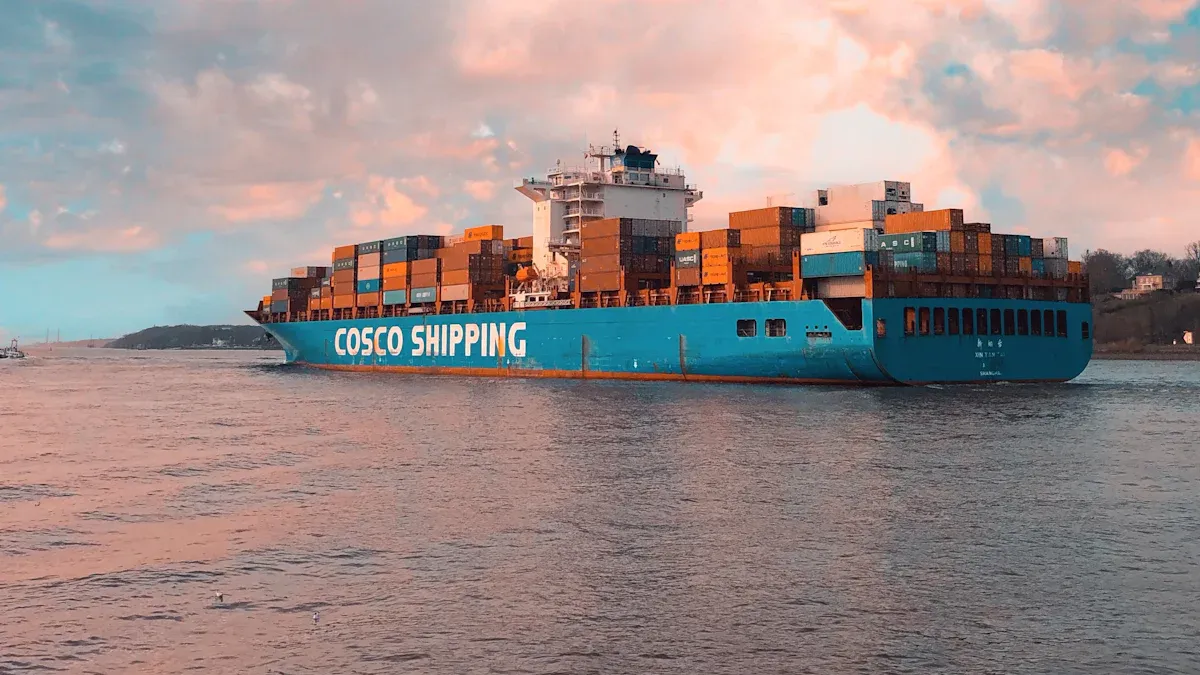
You face many challenges when shipping products across borders. Each country has its own rules and tariffs. AI helps you manage these rules with speed and accuracy. AI-driven tools can handle large amounts of data and spot compliance risks. They also automate paperwork, which makes your logistics more efficient and helps you avoid costly mistakes.
AI can classify products and tariffs instantly. This reduces human error and speeds up customs clearance. You spend less time waiting for shipments to clear. AI also uses predictive analytics to spot compliance risks before they become problems. This keeps your business safe in a changing world of trade regulations.
Here is a table that shows how AI advancements help your logistics:
| Advancement Type | Description |
|---|---|
| AI-driven tariff classification | Automates the process of classifying tariffs, reducing manual effort and error rates. |
| Predictive analytics for compliance | Uses data to forecast compliance risks and improve accuracy in customs processes. |
| Integration with supply chain | Connects customs processes with broader supply chain management for better efficiency. |
AI agents also automate document processing. They learn from millions of past shipments. This helps them classify products, calculate duties, and check for compliance. You get faster clearance times and fewer fines.
Localized Pricing and Cost Reduction
AI makes it easy for you to set prices that fit each market. It looks at local demand, competitor prices, and currency changes. This helps you protect your profit and build trust with customers. When you use AI for localization, you show prices that include duties, taxes, and shipping costs. Customers know exactly what they will pay at checkout.
Many brands have seen big results with AI-driven pricing. For example, a leading electronics retailer saw a 15% increase in international checkout rates by adjusting prices for local markets. Brands using real-time pricing that includes all costs saw a 13x jump in conversion rates.
AI also helps you react to market changes. It can adjust prices instantly if demand goes up or if a competitor changes their prices. You can use modules that set prices for new products or calculate how price changes affect demand. This keeps your logistics costs low and your sales high.
Tip: Use AI to automate your pricing and logistics decisions. You will save time, reduce errors, and make your customers happier.
AI-Powered Marketing for Global Reach

Channel and Product Optimization
You can reach more customers around the world by using ai-powered marketing tools. These tools help you choose the best channels and products for each market. Ai lets you segment your audience by traits, interests, and behaviors. This means you can send the right message to the right people. When you use ai, you make your marketing campaigns more effective and save money.
Here is a table of popular ai marketing tools for global ecommerce:
| Tool | Description |
|---|---|
| Triple Whale | Manages multi-channel campaigns and optimizes ad spend for e-commerce and performance marketing. |
| Windsor.ai | Provides marketing attribution and data integration to optimize ad spend through real-time analytics. |
| HubSpot | A CRM that integrates customer data and automates marketing processes, enhancing outreach capabilities. |
| The Trade Desk | A DSP that optimizes digital advertising across channels with ai-powered audience targeting. |
| Amazon DSP | Programmatic advertising solution for reaching relevant audiences across Amazon and third-party sites. |
| Adzooma | Ai-powered ad management for Google, Facebook, and Microsoft Ads, simplifying campaign operations. |
Ai also helps you optimize product listings and ads for each country. Predictive analytics can forecast trends and improve your strategy. Programmatic advertising uses customer data to place ads where they will work best. Ai dashboards measure your results and show what works, so you can improve your return on investment.
Timing and Personalization
You can improve the customer experience by sending messages at the perfect time. Ai studies how customers interact with your brand. It learns from their actions and predicts when they are most likely to respond. For example, send time ai chooses the best moment to deliver emails or texts based on each person’s habits.
Ai-powered systems keep learning from customer behavior. They adjust your marketing in real time, so you do not have to guess when to reach out. This leads to a better customer experience and higher engagement.
Personalization is another strength of ai in ecommerce. Ai-driven campaigns use real-time analytics to tailor offers and messages. A global clothing retailer used ai to segment its audience and saw higher engagement and better results in each region. Companies like Amazon generate 35% of their revenue from ai personalized recommendations. When you use ai for personalization, you build trust and make it easier for customers to decide to buy.
Tip: Use ai to personalize your marketing and improve the customer experience. You will see more loyal customers and higher sales.
AI Solutions for SMBs in Cross-Border eCommerce
Streamlining Purchasing Processes
You can make your purchasing process faster and more accurate with the right tools. Many small businesses use agentic ai to improve decision-making. This technology helps you match with the best suppliers and process orders with fewer mistakes. When you handle cross-border transactions, accuracy matters. Agentic ai gives you better control and helps you avoid costly errors.
- Agentic ai improves order processing accuracy.
- It matches you with the right suppliers.
- It makes your purchasing process smoother.
Many small businesses face delays from domestic suppliers. Almost 39% of small manufacturers expect to need new supply chain options soon. You can use ai agents as digital colleagues. They help you plan, solve problems, and finish tasks. For example, Alibaba International’s Accio works as an ai-powered search engine. It helps you find products quickly, even if you do not have much experience. This saves you time and resources during your expansion.
Competing with Larger Brands
You can compete with bigger brands by using smart strategies. Ai tools help you automate lead tracking and follow-ups. One boutique marketing agency used an ai-enabled CRM and saw a 38% increase in their lead-to-close rate in just three months. They even secured their highest-value client. Most small businesses that use ai in sales report revenue growth within the first year.
- 71% of small businesses see measurable revenue growth after using ai.
- 86% of customers will pay more for a great experience, which ai can help you deliver.
Ai-driven personalization gives your customers a better experience. Blockchain-based supply chain management also improves efficiency and security. These innovative solutions help you stand out in the international market. Digital transformation opens new financing channels for your business. Cloud computing and big data analytics unlock value from your data. Ai creates new financial resources, making expansion possible even without traditional bank credit.
Tip: Use ai to support your expansion and offer a better customer experience. This helps you grow in the international market and compete with larger brands.
Implementing AI for Cross-Border Growth
Assessing Needs and Readiness
You need to check if your business is ready for new technology. Start by looking at your current systems and data. Make sure your team can handle changes and that you have clear goals. Use the table below to guide your assessment:
| Key Steps for Assessing Business Needs and Readiness | Importance |
|---|---|
| Evaluate current infrastructure | Identifies gaps in technology and data management |
| Assess data maturity | Ensures AI systems have the necessary data inputs |
| Check organizational readiness | Supports successful adoption and implementation |
| Ensure foundational elements are in place | Influences return on investment and growth |
| Gather historical transaction data | Provides insights for AI algorithms |
| Maintain accurate product catalogs | Helps manage inventory and customer interactions |
| Capture customer data consistently | Improves personalization and experience |
| Integrate real-time inventory | Supports dynamic pricing and stock management |
| Support API integrations | Enables seamless technology interactions |
| Obtain organizational buy-in | Ensures commitment across teams |
| Define clear business goals and performance metrics | Guides the implementation process |
Tip: Set clear goals and make sure your team supports the change. This helps you measure success and stay focused.
Choosing and Integrating AI Tools
You must select tools that fit your business needs. Look for solutions that work with your current platforms and help you manage cross-border tasks. Follow these steps:
- Multi-marketplace Integration: Choose tools that connect with Amazon, eBay, Shopify, and other channels.
- Cross-Border Compliance: Pick solutions that handle VAT, customs forms, and import/export rules.
- Inventory Forecasting: Use AI to predict demand and optimize stock levels.
- Shipping Automation: Find tools that generate labels, select carriers, and provide tracking.
- Returns Management: Streamline reverse logistics for international orders.
- User-Friendly Interface: Make sure dashboards and reports are easy to use.
- Scalability: Select tools that support large product catalogs and multiple warehouses.
Note: Avoid tools that do not fit your business size or lack support for your main sales channels.
Training Teams and Managing Change
You need to prepare your team for new technology. Training helps everyone understand how to use AI and get the most value. Use best practices to manage change:
| Best Practice | Description |
|---|---|
| Executive Sponsorship | Top management shows support for AI initiatives. |
| Cross-Functional Collaboration | Departments work together to avoid silos and ensure smooth execution. |
| Training and Skill Development | Employees join workshops or training sessions to learn new skills. |
| Culture of Continuous Learning | Structured programs help employees feel supported and ready for change. |
| Encouraging Experimentation | Safe environments let teams test AI tools and learn from mistakes. |
Alert: Common mistakes include skipping training or not getting buy-in from leadership. Always involve your team and encourage learning.
Real-World Success with AI in Cross-Border eCommerce
SMB Expansion Case
You can see how small and medium businesses use technology to grow across borders. Many companies now rely on smart tools to enter new markets and manage payments. For example, LianLian Global helps Chinese small businesses expand into places like Latin America and the Middle East. Their solutions use advanced technology to make payments easier and help you follow local rules. This support lets you reach more customers and sell in new regions.
| Company | Initiative | Impact on SMBs |
|---|---|---|
| LianLian Global | AI-enabled cross-border solutions for Chinese SMEs | Supports navigation of international markets, enhancing payment systems and expanding into new regions like Latin America and the Middle East. |
Note: When you use these tools, you can save time and avoid mistakes. You also build trust with customers in different countries.
Enterprise Global Rollout
Large companies also use smart technology to improve their global business. You can learn from their strategies to boost your own results. Here are some ways big brands succeed with cross-border eCommerce:
- Personalization and flexible payments help you increase sales and keep customers coming back.
- Logistics optimization, such as better route planning, reduces delivery times and costs.
Compliance, Security, and ROI with AI
Navigating Regulations
You must follow many rules when you sell products across borders. Each country has its own laws. Compliance helps you avoid fines and delays. You need to check product standards, labeling, and taxes. AI makes compliance easier. It scans documents and checks if your products meet international requirements. You can use AI to track changes in regulations. This keeps your business safe and ready for new markets.
Tip: Set up alerts for compliance updates. You will know when international rules change.
Data Security and Privacy
You handle sensitive information every day. Customers trust you with their data. Compliance with privacy laws protects your business. You must follow rules like GDPR and CCPA. AI helps you spot risks and secure your systems. It checks for weak passwords and blocks threats. You can use AI to monitor who accesses your data. This keeps your information safe and builds trust with customers.
| Security Practice | Benefit |
|---|---|
| Encryption | Protects customer data |
| Access controls | Limits who sees information |
| Regular audits | Finds security gaps |
| AI threat detection | Stops attacks early |
Alert: Never ignore compliance. International fines can hurt your business.
Measuring ROI
You want to know if your investment in AI pays off. Compliance saves money by reducing fines and delays. You can track ROI by looking at faster shipping, fewer errors, and higher sales. Use simple metrics like order accuracy, delivery speed, and customer satisfaction. AI tools help you collect this data. You see clear results when you follow compliance rules and use AI for international growth.
- Track compliance costs before and after AI.
- Measure sales in new international markets.
- Check customer feedback for trust and satisfaction.
Note: Good compliance and strong security lead to better ROI. You grow faster and safer.
You see how AI makes cross-border ecommerce easier and faster. You improve logistics, marketing, and your international experience. You empower your business to drive growth and deliver a better experience for every customer.
Thoughtful implementation and ongoing measurement help you get the most from innovation.
- Explore AI solutions for your cross-border ecommerce journey.
- Stay ready for new opportunities as AI shapes global commerce.
FAQ
What is the main benefit of using AI in cross-border eCommerce?
You can save time and money. AI helps you automate tasks, reduce errors, and make smart decisions. This lets you grow your business faster and serve customers better.
How does AI help with international shipping challenges?
AI sorts products, fills out forms, and checks for mistakes. You get faster customs clearance and fewer delays. This means your packages reach customers on time.
Can small businesses use AI for global sales?
Yes! You can use AI tools even if you run a small shop. These tools help you find new markets, manage orders, and compete with bigger brands.
Is AI safe for handling customer data?
AI uses strong security tools like encryption and access controls. You protect customer information and follow privacy laws. Always choose trusted AI solutions for your business.
See Also
TAGG Logistics Enhances E-Commerce Growth Strategies for 2025
Advanced Fashion AI Solutions Simplifying Returns Today
Effective E-Commerce Strategies for 2025: A Practical Guide
The Evolution of E-Commerce Services: What Lies Ahead
Micro Fulfillment Centers Fueling E-Commerce Expansion Today