
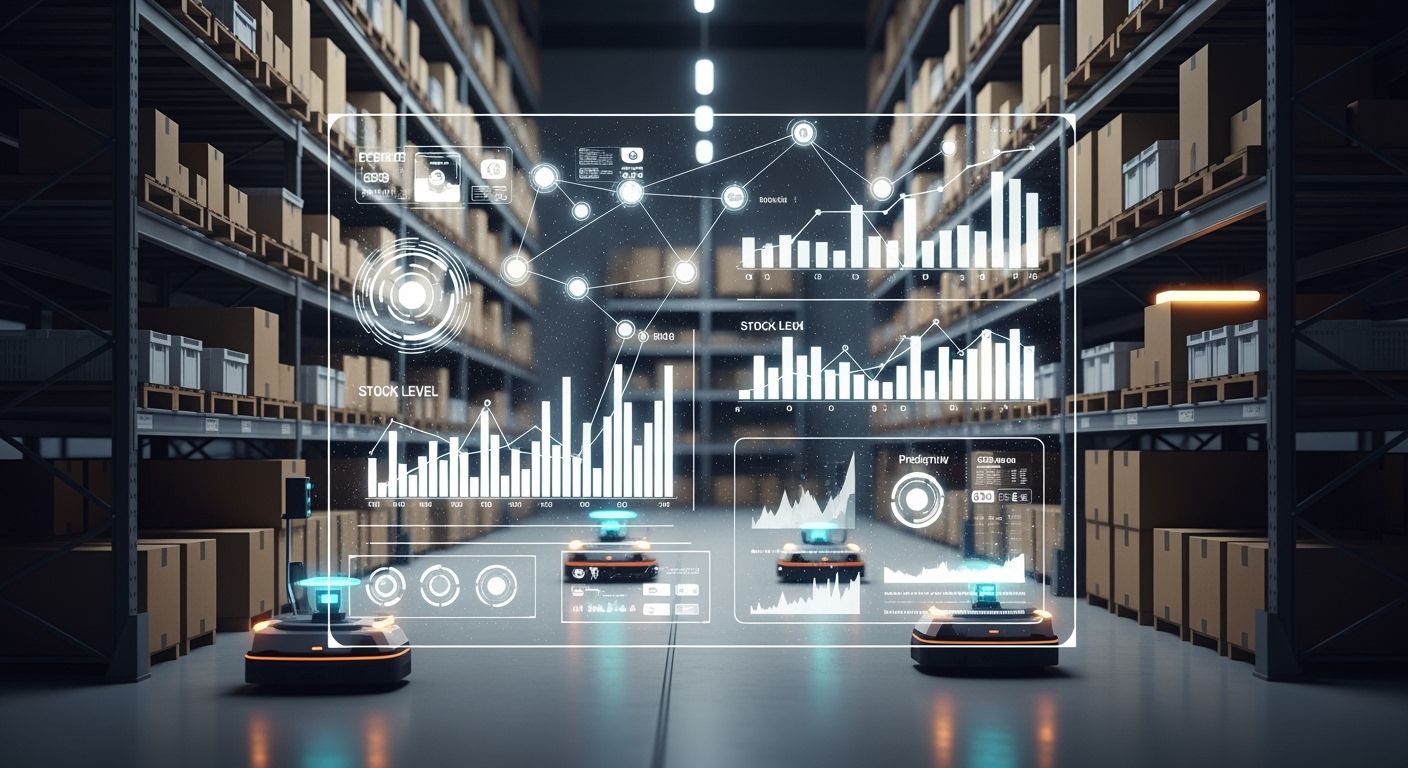
AI prevents stockouts because AI analyzes market demand in real-time to trigger automated replenishment before your stock dips below threshold limits. Legacy static reorder points reduce operational visibility and cause continuous inventory imbalances.
| Inventory Issue | Lost Revenue Percentage |
|---|---|
| Overstocks | 3.2% |
| Out-of-stocks | 4.1% |
Modern enterprise fulfillment requires continuous demand forecasting to maintain complete availability. Implementing dynamic ai inventory optimization processes real-time sales data to execute total inventory optimization across all dynamic warehouses. In addition, integrated ai safety stock optimization dynamically recalibrates safety margins when lead times shift unexpectedly. You gain complete supply chain control because robust AI systems deliver proactive operational control every single day.
Predictive Demand Forecasting with AI Inventory Optimization
Modern enterprise inventory control relies on predictive demand planning to maintain complete shelf availability across all fulfillment nodes. Legacy supply chain management tools fail during sudden market shifts because they rely on historical static averages. Implementing ai inventory optimization allows your logistics team to process complex historical data points and project future customer needs accurately.
Seasonal Sales Pattern Analysis
You can protect your fulfillment operations from seasonal stockouts by using smart demand forecasting models. Advanced machine learning algorithms analyze historical sales velocity, market fluctuations, and seasonal weather patterns. AI tools consistently surpass legacy techniques by 20% or more in demand forecasting accuracy. For example, retail businesses using weather data in their seasonal models achieved 35% fewer stockouts and 15% overall revenue growth.
| System Type | Core Assumption | Operational Result |
|---|---|---|
| Static Formulas | Assumes steady lead times and consistent demand. | Leads to bloated inventory or sudden stockouts. |
| AI Model | Anticipates ongoing market fluctuations and non-linear shifts. | Delivers precise, adaptive forecasts while lowering excess stock. |
Legacy mathematical formulas rely on rigid moving averages that require manual adjustments. Enterprise inventory management software uses ai inventory optimization to recalculate reorder points continuously. This automated capability delivers accurate demand forecasting across every sales channel. Your internal supply chain system updates purchase recommendations without manual effort when regional consumer buying habits change unexpectedly.
Real-Time Sales Velocity Tracking
Rapid sales acceleration can drain your warehouse inventory long before traditional software signals an issue. Modern ai inventory optimization tracks daily unit movement data to spot early demand acceleration warnings. AI detects 20–30% velocity upticks over 1–2 weeks as critical stockout warnings. AI alerts your operational team before physical stock levels reach dangerous threshold limits.
Your distribution network requires immediate answers when a product line goes viral on social media. Modern AI models process real-time data to recalculate remaining days of supply using current sales run rates. When items experience a 10× or higher demand surge, AI automatically inflates safety inventory buffers by 20–30%. Deploying ai inventory optimization keeps your warehouse network balanced, responsive, and ready for any unexpected market disruption.
AI Safety Stock Optimization for Volatile Lead Times
You can protect your balance sheet by using ai inventory optimization to eliminate excess buffer stock. Traditional inventory management relies on static reserves. Standard safety stock calculation methods misjudge lead times and inflate costs. Dynamic ai inventory optimization right-sizes holding levels to prevent stockouts.
Real-Time Threshold Adjustments
Your supply chain needs continuous visibility to handle dynamic order changes. Machine learning algorithms evaluate lead time uncertainty alongside vendor metrics and historical data. Advanced ai safety stock optimization tracks lead-time volatility continuously. You can use ai safety stock optimization to adapt buffer thresholds instead of relying on fixed emergency reserves.
- Multi-Variable Processing: AI evaluates lead time uncertainty alongside historical data to adjust for vendor variability.
- Dynamic Buffer Adjustment: Machine learning models combine lead time fluctuations with demand shifts to recalibrate dynamic safety stock levels automatically.
- Automated Reordering: Predictive models use forecasted lead times to set precise reorder points.
Modern ai inventory optimization connects your replenishment strategy directly with live data. Modern sku segmentation classifies items by demand velocity. Deploying ai safety stock optimization ensures accurate buffer targets for every location.
Mitigating Supplier Delay Risks
Supplier delays frequently trigger major stockouts across retail operations. Modern ai safety stock optimization monitors dynamic data streams to forecast shipment delays before operational disruptions occur. AI platforms evaluate dynamic risk factors like financial health stability to calculate objective vendor scores.
Machine learning refinement continuously processes operational inputs and real-time disruption data to yield a 20% to 50% reduction in forecasting errors.
Proactive supply chain managers use ai safety stock optimization to improve operational control. Robust demand forecasting models connect continuous risk identification with automated alerting tools. AI sends instant notifications about emerging risks before delays affect customer orders. Advanced ai safety stock optimization simulates operational impacts to evaluate strategic contingency plans.
Deploying ai inventory optimization provides complete operational visibility across your fulfillment network. Modern ai safety stock optimization automatically adjusts dynamic thresholds during logistical bottlenecks. Implementing ai safety stock optimization protects your margins, lowers holding costs, and keeps your operations active.
Automated Reordering for Supply Chain Optimization
Dynamic Purchase Order Triggers
Manual order creation creates operational delays. You gain complete visibility when you deploy ai inventory optimization across your fulfillment network. Modern inventory management software replaces slow manual processes with automated workflows. Dynamic ai systems analyze live data continuously to generate automated replenishment recommendations.
Automated inventory management speeds up purchase order processing while cutting human mistakes. Advanced ai algorithms verify supplier contracts instantly.
| Operational Metric | Impact of AI & Automation Triggers |
|---|---|
| Data Entry Errors | Reduced manual entry errors by up to 70% (and cuts data entry mistakes up to 90% via automated cross-checking and extraction) |
| Processing / Approval Time | Decreased from 3 days to under 8 hours in real-world implementations; overall PO cycle reduced from 30 days down to 3–5 days |
| Data Validation Accuracy | Automatically flags mismatches between item codes, contracted pricing, and inventory levels using OCR and NLP against master records |
| Routing Efficiency | Eliminates manual transfer by using rule-based criteria (e.g., spending limits, supplier risk) to direct approvals automatically |
Aligning Orders with AI Safety Margins
Modern ai inventory optimization tools align purchase order quantities directly with dynamic safety buffers. You can execute dynamic order alignment using an integrated ai system:
- Threshold Monitoring: The system tracks when available inventory plus incoming purchase orders falls below the reorder point, which integrates dynamic AI safety stock.
- Data Integration: AI evaluates current stock levels, open orders, historical sales, and demand projections to compute ideal purchase quantities and due dates.
- Constraint Application: The system adjusts order quantities against supplier-specific rules, such as minimum order quantities (MOQs), lead times, reorder frequencies, minimum order values, and carton sizes.
- Proposal Generation: Automatically generates purchase order proposals matching specific rules (e.g., covering target weeks of demand or stock limits) for planner review.
Applying ai safety stock optimization aligns stock levels with actual supplier performance. Modern inventory management systems use ai safety stock optimization to process live data and protect working capital. Deploying dynamic ai inventory optimization provides total operational visibility and completes your ai inventory optimization strategy.
Multi-Location Allocation Using AI
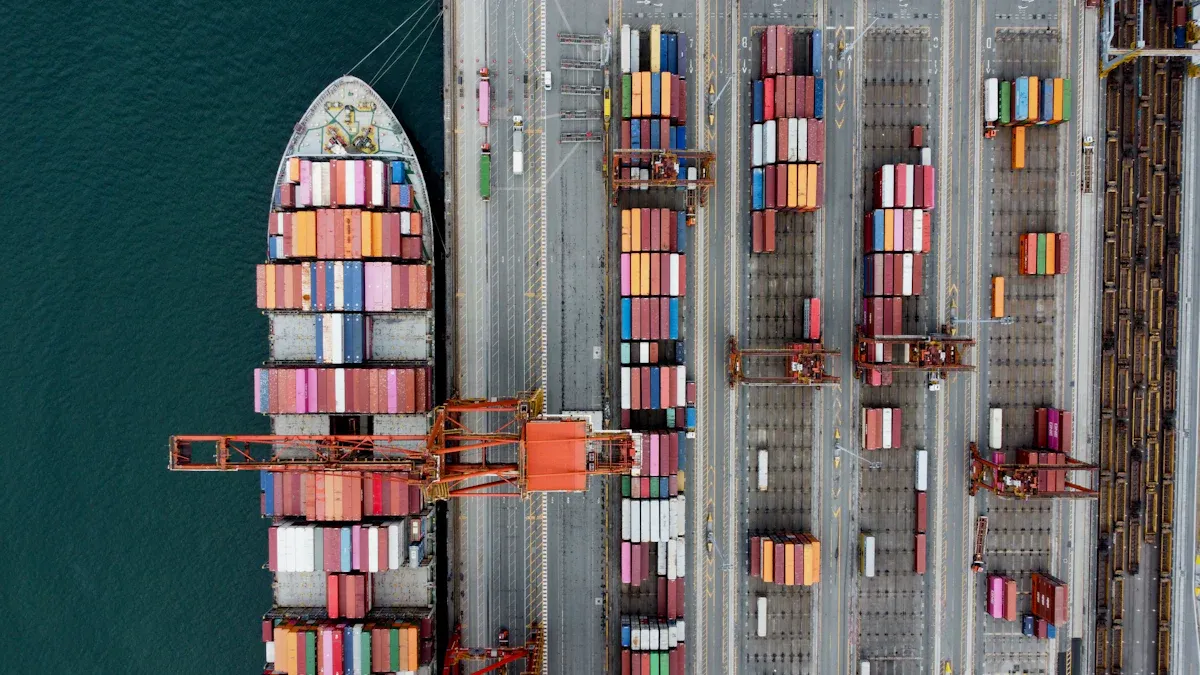
Your business needs total balance across every distribution hub. Implementing multi-node ai inventory optimization ensures complete stability throughout your entire supply network. Modern AI algorithms prevent localized regional stockouts while protecting overall corporate capital.
Balancing Regional Warehouse Stock
You can optimize stock positioning across multiple distribution centers by leveraging continuous predictive intelligence. Advanced AI analyzes regional demand data to rebalance stock across facilities proactively. This process places fast-moving items in optimal picking locations to reduce overall transit times significantly. You gain complete visibility into localized customer demand shifts before regional stockouts impact sales.
Deploying enterprise ai inventory optimization gives your fulfillment team continuous control across every location. AI accelerates fulfillment speed by dynamically matching customer order data to the ideal fulfillment hub based on customer location, shipping costs, and promised delivery windows. Smart networks route orders across multiple fulfillment centers and 3PL partners based on geographic proximity, current hub capacity, and operational performance metrics:
- Strategic Stock Positioning: AI analyzes regional demand trends to rebalance stock across facilities, placing fast-moving stock in optimal picking locations to reduce transit times.
- Dynamic Partner Allocation: AI routes orders across multiple fulfillment centers and 3PL partners based on geographic proximity, current hub capacity, and performance metrics.
Smart Inter-Facility Transfers
Logistics teams often struggle with localized stock shortages despite having adequate network inventory overall. Utilizing dynamic ai inventory optimization allows you to execute smart inter-facility transfers before regional stockouts disrupt customer shipments. AI continuously evaluates live order metrics alongside real-time inventory visibility to identify dynamic regional demand spikes early.
Your fulfillment system operates with structural operational strength when processing continuous store data. Advanced ai inventory optimization processes real-time data to generate automated transfer requests between nearby warehouses smoothly. Modern AI prevents localized stockouts by moving inventory efficiently across regional nodes. This proactive process balances regional stock, cuts express freight costs, and protects customer satisfaction across every commercial channel.
You eliminate stockouts when you adopt ai inventory optimization across your supply network. Modern ai safety stock optimization combines demand forecasting with real-time inventory data to protect capital. Advanced ai inventory optimization tools connect automated reordering directly to inventory management software. Smart ai solutions analyze data continuously. Powerful ai software provides total operational visibility across every warehouse node.
Your business can transition smoothly using a phased rollout. A Phase 2 pilot deploys ai inventory optimization across limited SKUs to achieve accurate demand forecasting. Enterprise ai helps inventory management systems guide orders accurately. Applying ai safety stock optimization improves overall demand forecasting accuracy. Deploying proactive ai eliminates stockouts and maximizes customer satisfaction.
FAQ
How does ai improve demand forecasting accuracy?
Traditional tools rely on static historical averages. Modern ai analyzes continuous market changes, weather patterns, and real-time sales speed. This dynamic analysis improves your overall demand forecasting accuracy while reducing sudden stockouts across all fulfillment nodes.
What is ai safety stock optimization and why do you need it?
Dynamic ai safety stock optimization calculates real-time buffer thresholds for your inventory. You need this approach because legacy static formulas ignore supplier lead-time volatility. Automatically adjusting dynamic reserves protects your working capital while preventing costly stockouts during supplier delays.
How does ai handle sudden supplier delays?
Advanced ai monitors real-time vendor performance data continuously. The system evaluates supplier risk factors before disruptions impact customer shipments. Applying ai safety stock optimization sends instant notifications to your logistics team and updates reorder triggers automatically.
Can ai automate your purchase order process?
Yes, enterprise ai software automates purchase order creation by tracking live stock thresholds. The platform checks supplier contracts, applies minimum order quantities, and generates order proposals automatically. You eliminate data entry errors and accelerate approval times across your distribution network.
See Also
Modern Cutting Edge Techniques To Maintain Accurate Inventory Records Easily
Boosting Productivity Through Intelligent Ecommerce Warehouse Optimization Tactics Today
Creative Methods For Structuring Outstanding Retail Merchandise Assortments Effectively
Smart Retail Restocking Approaches That Drive Superior Customer Happiness
Top Modern Solutions For Optimizing Your Store Restocking Procedures