You can build an automated ai dropshipping business today. Modern software relies on computer vision, real-time data analytics, and ai to run your store. Autonomous software replaces manual workflows like product sourcing, copywriting, and ad design. Smart systems change how you handle operations across the expanding global dropshipping market:
- Database scanning shortlists suppliers 90% faster than manual methods.
- Predictive ai tools adjust live marketing offers automatically.
The global artificial intelligence in e-commerce market size is projected to reach USD 11.21 billion in 2026, according to Precedence Research.
This guide gives you technical mechanics and actionable blueprints to launch in 2026.
How AI Dropshipping Works in 2026
Modern algorithms change how entrepreneurs manage daily online business operations. Autonomous software handles complex tasks instantly, replacing old manual processes.
Using AI for Sourcing and Market Analysis
AI tools compare data streams from multiple channels in real time. Intelligent systems give you a time advantage of 4 to 8 weeks over manual competitors, enabling earlier product identification. Algorithms reduce product research time by up to 85% by simultaneously analyzing operational metrics across platforms in minutes. Smart software enables early product discovery 3–4 weeks before mainstream demand, giving your business a competitive edge. Effective software monitors key platforms to discover high-potential offers:
- Amazon: Provides data on sales velocity, price history, and product reviews for sentiment analysis.
- Shopify: Offers insights on trending products and consumer behavior across multiple markets.
- TikTok: Supplies engagement rates and social chatter to identify emerging trends.
- AliExpress: Delivers pricing fluctuations and product data for market analysis.
Machine learning algorithms process historical sales data to project demand accurately.
Machine learning algorithms that incorporate weather effects reduce forecast errors by 5% to 15% for weather-sensitive products at the product level, and by up to 40% at the product group and store levels.
Computer vision and algorithms scan real-time sales data, monitor competitor store activity, and identify winning products automatically. Machine learning simplifies product research and accelerates automated product discovery. Systems track supplier inventories constantly to guarantee seamless order fulfillment. Fast fulfillment prevents delays and preserves customer trust. Automated fulfillment keeps your store reliable across every active sales channel.
Automated Marketing and Dynamic Pricing
Generative systems transform how you create promotions and engage shoppers. Software generates high-converting ad assets, automated copy, and self-adjusting dynamic pricing algorithms instantly. Running ai-powered ads improves promotional performance across major networks. Generative platforms improve ad conversions significantly, as demonstrated across recent industry benchmarks. | Source | Conversion Rate Improvement | Context | |---|---|---| | Marketing AI Institute (2025) | 26% increase | Companies using Jasper or Copy AI | | Agencies using Jasper | 38% increase | Ad conversions | | French e-commerce startup using Writesonic | 32% increase | Google Ads and product descriptions | | Adobe's 2024 Digital Trends report | 30% higher | Brands using AI-powered personalization |
Dynamic algorithms adjust pricing instantly to maximize profit margins. Systems evaluate real-time market indicators constantly to adapt store offers:
- Competitors: Real-time price changes, promotions, and new product launches
- Demand: Website traffic spikes, search volume surges, faster purchase rates
- Supply: Real inventory levels, production delays, competitor stock-outs
- Timing: Hour of day, seasonality, event-driven demand
- Location: Geographic markets, local competition, regional purchasing power
Amazon’s pricing engine makes over 2.5 million price changes daily, using algorithms that factor in competitor prices, inventory velocity, profit margins, and even weather patterns for seasonal items.
Modern automation improves workflow performance across your enterprise:
- Increased efficiency – automated workflows enable continuous, uninterrupted processing without human slowdowns or bottlenecks, freeing up time for business growth.
- Cost effectiveness – labor costs are reduced by offloading routine tasks, and costly errors from manual handling are minimized, leading to leaner operations.
Smart ai dropshipping workflows enhance overall dropshipping speed. Machine learning automates key customer communications. Algorithms analyze customer behavioral patterns to refine marketing targeting continuously. Automated product discovery helps you launch high-demand products effortlessly while keeping your inventory ahead of competitors. Reliable analytics guide smart business decisions continuously. Strong customer support workflows increase repeat store purchases.
Building an Automated Dropshipping Store
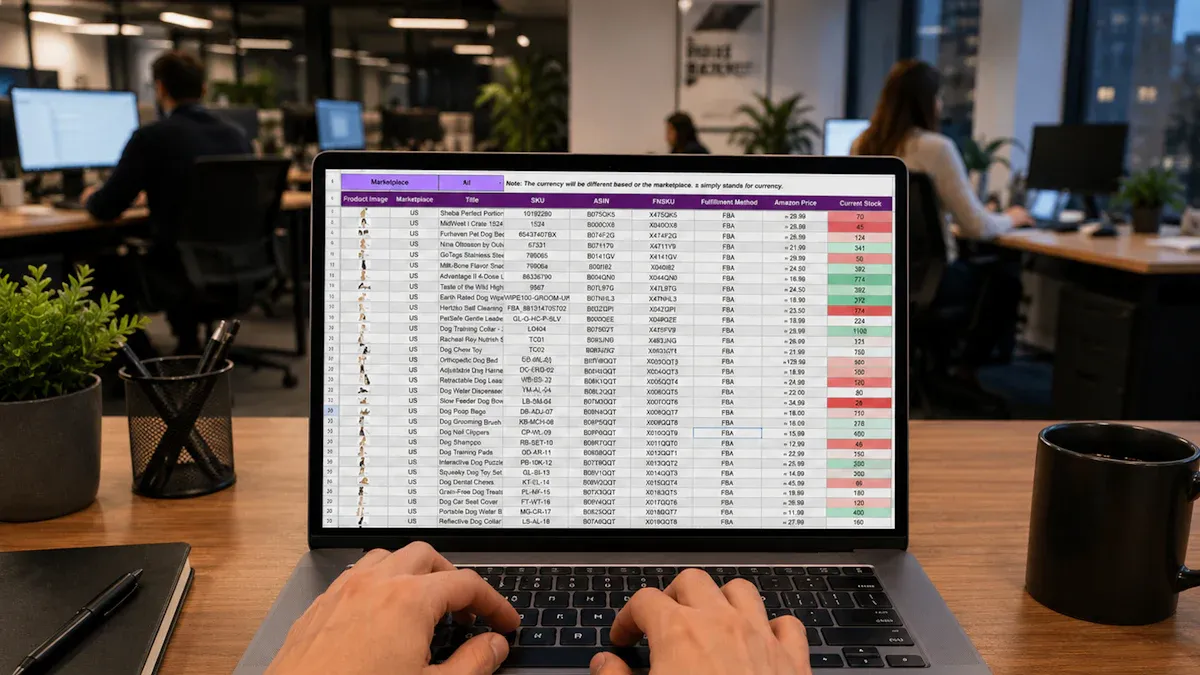
You can build a dropshipping store rapidly today using modern automated platforms. Software tools streamline setup tasks and help you launch high-performing online channels smoothly.
Niche Selection and AI Site Generation
To create a successful enterprise, you must first pinpoint high-margin markets with stable consumer demand. You can evaluate commercial opportunities through predictive algorithms. Smart software processes millions of data points from search engines, social channels, and market networks simultaneously.
Predictive systems use machine learning and natural language processing to uncover consumer intent. They analyze historical patterns to forecast emerging market trends before competitors notice them. You replace manual product research with continuous automated scans. These ai tools highlight fast-selling items with high margin potential. This systematic product discovery gives you a clear market edge.
You can launch a fully functional store over a single weekend. AI-assisted site builders build an entire storefront in minutes instead of weeks. These platforms write compelling landing pages and local descriptions quickly. | Metric | AI Store Build | Manual Store Build | | --- | --- | --- | | Store creation | Minutes | Days to weeks | | Setup time reduction | Weeks to minutes | Baseline standard | | Time to first sale | Days | 2–6 weeks |
Smart engines customize layouts automatically for desktop and handheld devices. Mobile channels account for 83% of total website traffic today. AI store builders generate responsive web pages instantly to capture these shoppers without coding. You can rewrite 80% of supplier descriptions using built-in generators. Unique copy avoids duplicate content penalties and helps your store rank higher in search results. Built-in optimization tools run continuous page tests. Heatmaps and dynamic offer scripts improve page performance to boost visitor conversions.
Integrating Vetted Suppliers and Automation Tools
After launching your digital storefront, you must secure reliable supply chains. Efficient operations depend on reliable vendors and fast delivery schedules.
AI software evaluates vendors using a weighted scorecard. Algorithms analyze past shipping records to flag delivery delays and customer complaints. High delivery scores protect your brand reputation and ensure fast order handoffs.
You connect supplier databases directly to your store inventory systems. Automation syncs real-time product quantities across all channels. Automatic stock adjustments prevent overselling and protect customer satisfaction.
Digital order routing eliminates manual data entry. Automated workflows transfer incoming order details straight to vendor databases. | Process Metric | Manual Processing | Automated Processing | | --- | --- | --- | | Order entry errors | Standard baseline | 3x fewer errors | | Data entry volume | Full manual entry | 92% less entry |
Automated fulfillment systems cut order picking and processing expenses by over 65%. Manual packing costs $0.50 per order, but dynamic order systems lower that cost to $0.15. Automated sortation boosts worker processing output by 600%. A business implementing these solutions can see up to 470% cost reduction per order.
Automated fulfillment processes clear orders instantly without human intervention. Fast order handling accelerates overall fulfillment speeds. Modern fulfillment pipelines update tracking records automatically. Your customer receives immediate package updates. Prompt shipping alerts lower customer service tickets and keep buyer trust high. Fast automated fulfillment powers long-term ai dropshipping growth.
Scaling a Profitable Dropshipping Business
Autonomous Customer Service Workflows
You can scale your dropshipping business by deploying smart communication systems. AI assistants answer daily buyer questions about products instantly. These systems reduce customer response delay and lower overall time spent on customer service.
Autonomous tools process order updates directly. Intelligent systems pull tracking data from shipping systems. The software sends real-time tracking data to each customer automatically. This automation resolves refund requests and shipping issues smoothly.
Smart tools gather customer review feedback to protect your store reputation. Algorithms read customer messages to spot complaints about products. The system alerts your fulfillment team when delivery errors occur. Quick fixes build customer loyalty and drive repeat purchases.
Real-Time Performance Analytics and Optimization
You need powerful analytics software to guide daily store operations. Modern ai analytics platforms aggregate sales data across every channel. You track essential metrics through performance analytics dashboards. | Dashboard Type | Description | | --- | --- | | Sales Performance Dashboard | Tracks sales by region, channel, and time period to identify growth drivers. | | Customer Insights Dashboard | Segments customer cohorts by retention, LTV, and purchase frequency to support CRM programs. | | Operations Dashboard | Monitors delivery times, inventory levels, stockouts, and returns to identify fulfillment issues. | | Executive Dashboard | Provides a summary across departments for leadership syncs. |
Smart algorithms improve ad spend efficiency by automatically pausing underperforming creative assets. One merchant scaled sales from $800K/month to $2.4M/month by testing 200-300 creatives per week using ai ad generators. Software transforms raw supplier data into unique store media, preventing duplicate content issues that increase marketing costs.
Your dropshipping business monitors critical parameters through automated reports:
- Cost Per Acquisition (CPA)
- Return on Ad Spend (ROAS)
- Customer Acquisition Cost (CAC)
- Average Order Value (AOV)
AI algorithms evaluate refund rate trends, forecast accuracy data, and gross margin totals continuously. Automated systems adjust bids dynamically to lower customer conversion expenses. Reliable data helps you scale your ai dropshipping store safely.
AI transforms your dropshipping business from routine manual labor into high-level strategic oversight. Smart algorithms handle product research while machine learning manages daily store operations. Software alone cannot guarantee success. Combining machine learning with quality-checked suppliers protects your operations. Selecting suppliers based solely on price leads to lost repeat buyers. Calculate true cost including returns, customer service time, and brand damage.
Problems on the supplier's end can jeopardize your customer relationships.
Well-executed brand experiences typically increase repeat purchase rates by 25-55% over generic packaging.
Product consistency directly impacts your return rate and customer satisfaction. Start your ai dropshipping journey today. Launch your workflows to scale your store efficiently.
FAQ
How does ai dropshipping differ from traditional methods?
You automate manual operations using smart algorithms. Modern ai software executes your product research and speeds up product discovery. Machine tools also process real-time sales data to optimize your daily workflow. You manage higher strategy while software runs your store.
Can smart software handle customer support automatically?
Yes. Autonomous tools update customer tracking information instantly. Intelligent systems resolve standard customer inquiry tickets and handle return requests smoothly. These tools pull live fulfillment status details directly from your vendor databases. Fast responses boost customer trust and loyalty.
How do automated tools handle order processing?
Automated systems send incoming store orders directly to suppliers. Software updates inventory levels and tracking details across channels without manual work. Fast fulfillment processing cuts order handling errors and lowers operating costs for your business.
Do you still need human oversight to run operations?
Yes. Machine models analyze data and performance analytics to highlight trending products automatically. However, you must vet suppliers for high quality. Software and ai tools streamline daily dropshipping tasks, but strategic direction requires your personal decisions.
See Also
How Artificial Intelligence Optimizes Modern Smart Supply Chain Logistics
Accelerate Online Store Growth With TAGG Logistics Solutions Today
Essential Seamless Fulfillment Strategies Driving Modern Retail Business Growth
Why Strategic Blind Shipping Matters For Growing Online Retailers
Key Advantages Of Anonymous Order Fulfillment For Digital Merchants