

You can transform store sales by shifting from instinct discounts to dynamic algorithmic pricing. Modern ai technology powers true promotion optimization without manual effort. Predictive algorithms process real time consumer demand signals instantly. These models calculate the exact discount level needed to move excess stock safely. Implementing smart markdown optimization enables you to maximize gross margins, improve sell-through rates, and personalize offers. Machine learning tools evaluate past shopping habits alongside price elasticity. Consequently, your retail business delivers targeted deals that motivate each shopper while preventing unnecessary profit loss. This data driven strategy gives you total control over product lifecycles. You achieve sustainable growth easily through automated ai solutions.
AI Promotion Optimization Mechanics

Demand Forecasting and Predictive Data
You transform store performance by replacing manual guesswork with advanced ai-powered forecasting. Modern retail systems ingest comprehensive datasets without standard human errors. These tools process historical sales, competitor moves, and operational data instantly. You gain direct market intelligence across your entire retail portfolio. Advanced demand forecasting models achieve 80–95% forecast accuracy under stable conditions. These algorithms detect non-linear patterns from market shifts easily. Automated forecasting solutions keep shelves full. Consequently, you reduce forecast errors by 20–50% using automated forecasting systems.
Implementing effective demand planning software helps you manage supply and demand imbalances smoothly. Predictive models calculate shopper intent by evaluating web traffic, POS transaction data, and regional trends. You cut lost sales by up to 65% through precise demand analysis. Intelligent software tools generate actionable insights for your inventory managers. These insights help you coordinate supplier deliveries in advance. As a result, you prevent stockouts, maintain high customer satisfaction, and eliminate heavy overstock clearance costs.
Dynamic Algorithms Versus Manual Price Cuts
Traditional markdown methods rely on static pricing schedules and manual post-mortem reviews. In contrast, ai forecasting tools evaluate live market shifts continuously. Modern algorithms process real-time analytics to set optimal pricing levels automatically. These systems run simulations to allocate promotional budgets toward the highest return. Category managers achieve a 400%–600% increase in productivity through business intelligence automation. You gather customer intelligence to refine your future campaigns. You react to competitor deals instantly without slow manual processes.
Machine learning algorithms predict customer behavior with 90–98% price effect accuracy. These intelligent demand solutions evaluate stock levels and cannibalization patterns continuously. For example, an e-commerce platform processed 10TB of transaction data to increase gross margin by 10% and gross merchandise value by 3%. Automated promotion optimization delivers clear ai insights to guide your decisions. Detailed sales analysis shows strong revenue growth. You achieve total promotion optimization while replacing slow manual planning with modern ai tools.
Strategies for AI Markdown Optimization
Unified Price, Promotion and Markdown Optimization manages pricing decisions across the entire product lifecycle. Unified revenue management connects individual discount actions with broader brand goals. Modern software unifies these core disciplines into a single profitable operational workflow. This dynamic framework balances profit retention with inventory clearance speed.
| Core Discipline | Approx. Market Share (2025) | Key Function & Enhancement to Profitability |
|---|---|---|
| Price Optimization | 38.5% | Uses engines with real-time variables to set optimal rates for every item and channel. |
| Promotion Optimization | 35.2% | Employs machine learning to refine campaigns and predict uplift for maximum return. |
| Markdown Optimization | 26.3% | Applies predictive models to determine optimal timing, depth, and sequence during clearance. |
Precision Timing and Localized Pricing
You maximize retail profitability when you execute markdown optimization at the regional store level. Agentic ai systems predict optimal discount schedules with 85–95% accuracy. These intelligent tools evaluate local sales velocity, physical store location inventory, and seasonal demand shifts. Consequently, your store managers apply SKU-level pricing suggestions to clear excess stock without margin waste. Precise discount execution reduces physical stock write-offs by 10–20%.
Automated software connects inventory databases directly with advanced pricing analytics. You run multiple scenario simulations to determine optimal timing for every clearance phase. Algorithmic price forecasting predicts exact volume outcomes for every potential markdown step. This systematic planning saves merchandising teams 30–40% of their operational work time. Merchandisers apply instant demand adjustments across digital channels and physical store locations. You secure a gross margin uplift of 200–500bps on clearance transactions. Detailed inventory analysis protects baseline profits during localized end-of-season clearance sales events. You streamline overall store operations while maintaining high inventory turnover rates across every store branch.
Data-Driven Personalization and Elasticity
Blanket price cuts alienate loyal buyers and destroy gross profitability. Today, 60% of consumer audiences believe most retail marketing emails lack personal relevance. Furthermore, only 20% of enterprise brands achieve high customer data unification across digital business platforms. You eliminate these operational gaps by unifying customer purchase history with digital market intelligence. Tailored promotions increase customer engagement and build brand trust.
| Process Step | AI System Function | Targeted Commercial Impact |
|---|---|---|
| Data Ingestion | Unifies CRM transactions and website behavioral metrics | Creates dynamic customer profile groups |
| Sensitivity Analysis | Predicts individual customer price elasticities | Calculates personalized discount thresholds |
| Dynamic Delivery | Sends real-time personalized promotional offers | Maximizes conversion while protecting profit margins |
You extract data-driven insights from loyalty program sign-ups and transactional records. Predictive algorithms evaluate individual customer purchase history to determine unique price elasticity. Rather than offering broad price drops, your business targets price-sensitive shoppers with customized deals. You deliver predictive strategic intelligence directly to your customer interaction channels. Personalized incentives motivate immediate purchases without diluting overall product value.
These personalized offers protect gross margins on full-price buyers. You utilize predictive software for accurate demand forecasting across every product line. Strategic discount scheduling delivers relevant deals precisely when buyers want them. You gain actionable data-driven insights to refine future inventory demand projections. Modern algorithms turn customer data into long-term shopper retention. Strategic merchandise planning ensures sustainable commercial growth across your entire retail execution strategy. Integrated profitability systems maximize revenue return across physical stores and web portals.
AI Integration and Execution Framework
Connecting modern software tools to your operational infrastructure modernizes retail workflows quickly. You can establish automated execution while protecting profitability and brand health across every channel.
Integrating AI Tools with Inventory Systems
You connect real-time streams to predictive analytics platforms using systematic deployment steps. Modern technology teams follow a clear sequence to establish smooth connections across store network systems:
- Evaluate your POS system compatibility and identify operational friction points.
- Select AI-ready retail platforms that support modular upgrades and third-party APIs or middleware.
- Connect live feed platforms with core inventory management software.
- Test the pipeline thoroughly in controlled store environments before full deployment.
Machine learning platforms evaluate multi-signal data feeds simultaneously. Systems deploy gradient boosting machines and deep learning neural networks to analyze demand trends. Software engines process live point-of-sale data, current stock positions, product lifecycle stages, and demand elasticity. Consequently, automated engines make precise discount decisions instantly. You avoid lagging manual reports while improving overall store operational efficiency. Intelligent demand sensing platforms hold standard pricing when buying activity remains strong. These platforms initiate automated promotions only when stock levels require clearance actions.
Automated Rules and Price Safeguards
Automated workflows require strict parameters to protect profitability and enterprise brand equity. You set clear rule configurations within your core AI engines to govern discounting activities. The system enforces dynamic pricing rules directly while respecting commercial boundaries.
Strategic parameters prevent aggressive markdowns from eroding core product value. You establish strict minimum price floors and margin thresholds inside the decision pipeline. System fairness rules stop shoppers from seeing confusing price changes over brief timeframes. Furthermore, dynamic workflows enforce human approval steps for key value items and high-risk product categories. Exception rules protect vendor-funded campaigns, seasonal product launches, and exclusion lists for stable items like gift cards. Business intelligence engines convert corporate values into explicit guardrails. Strategic planning and human oversight protect long-term market reputation. You deliver optimal customer value without sacrificing critical margin targets.
Measuring Promotional Performance and ROI
Margin Return and Sell-Through Rate
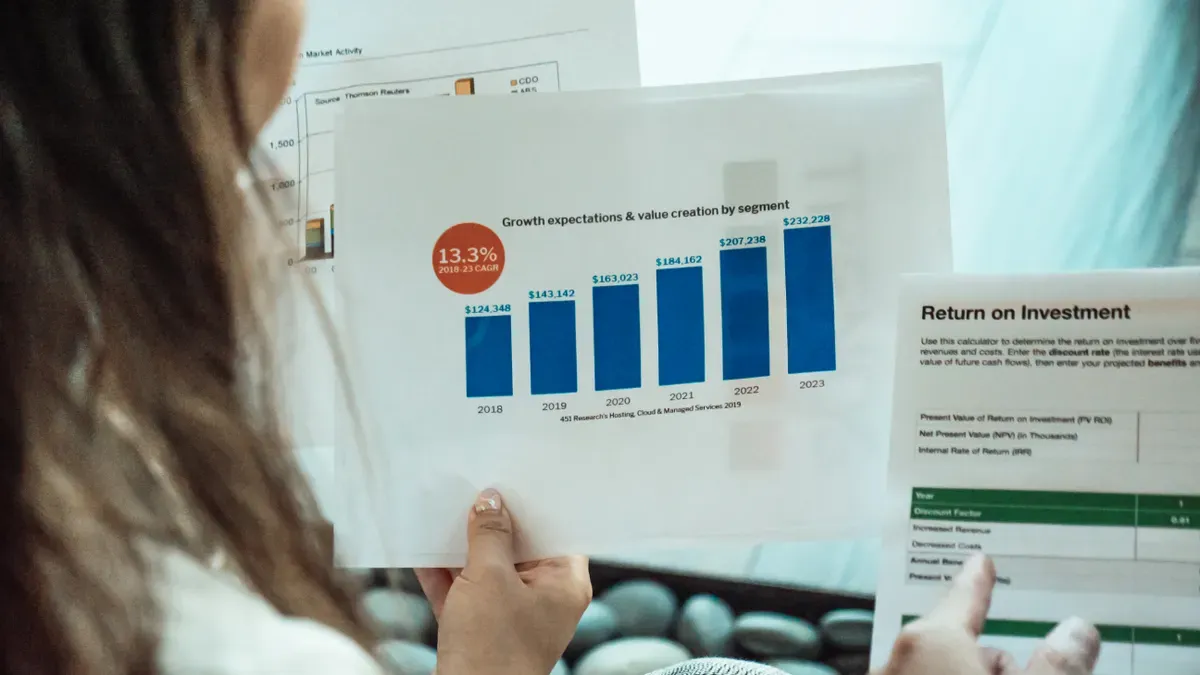
You measure the success of promotional strategies by tracking baseline margin return and total inventory clearance. AI tools deliver 5–7% better gross margin while meeting identical sell-through targets compared to manual planning. Advanced algorithms run real-time demand analysis to evaluate product volume outcomes. Predictive tools calculate the true impact of discounts by accounting for sales cannibalization and stock-up trends.
Dynamic price optimization builds strategies around strict financial thresholds, like triggering a markdown review if gross margin return on inventory investment falls below $1.80.
When you prioritize sales growth, AI-optimized campaigns deliver a 10% to 22% increase in sales alongside a 5% to 10% margin improvement. When you focus on margin preservation, these algorithms generate a 5% increase in sales and a 10% to 20% margin gain. Implementing precise AI insights allows category managers to eliminate value-destroying price cuts. Continuous data processing helps your business sustain steady cash flows while moving excess inventory efficiently across every store.
Customer Acquisition and Retention Metrics
Evaluating customer retention metrics reveals the long-term ROI of tailored deals. Predictive intelligence models outperform traditional customer lifetime value calculators by 25–40%. Machine learning tools achieve 95% churn prediction accuracy, allowing teams to spot disengaged shoppers 3 to 6 months in advance. You convert one-time buyers into repeat customers by delivering personal incentives when demand drops.
| Metric Category | Core Focus for Promotion Optimization |
|---|---|
| Time Savings | Measuring efficiency gains from automating repetitive tasks like audience segmentation. |
| Operational Efficiency | Quantifying improvements in campaign cycle times, resource use, and execution error rates. |
| Revenue Impact | Tracking revenue growth, lead conversion rates, and customer lifetime value driven by optimized campaigns. |
| Cost Reduction | Measuring reductions in labor and operational expenses from automated campaign execution. |
Deploying data-driven insights through personalized win-back campaigns successfully recovers 20–30% of lapsed consumers. Advanced pricing analytics streamline campaign tracking, while automated audience building improves marketing operational efficiency. You gather real-time intelligence to lower effective acquisition costs over time. Personalized offers drive 15–25% improvements in lifetime value. Utilizing these data-driven insights protects your business baseline while delivering consistent financial growth.
You transform static discounting into a modern algorithmic process when you deploy promotion optimization software. Intelligent systems process live market trends instantly to set precise discounts.
AI systems optimize across all these dimensions simultaneously, finding pricing strategies that improve all metrics rather than sacrificing one for another.
Implementing an automated markdown optimization framework and dynamic tools elevates performance. This commercial strategy protects your profit margins, accelerates inventory turn rates, and strengthens shopper loyalty. Consequently, your retail business achieves a 20% reduction in overall costs through automated execution. You must upgrade your pricing tech stack today to remain competitive in dynamic retail markets.
FAQ
How does AI improve traditional discount strategies?
AI replaces manual guesswork with real-time demand signals. Machine learning algorithms predict exact price elasticity and consumer habits. You run precise dynamic pricing that protects baseline profit margins while clearing stock faster.
How does markdown optimization protect brand value?
Automated systems enforce strict minimum price floors and dynamic safeguards. You set custom profit rules directly inside the software platform. These boundary parameters prevent aggressive price drops, protecting brand reputation across every sales channel.
Can your business integrate AI pricing tools easily?
Yes, modern retail platforms connect directly with existing point-of-sale systems through simple modular APIs. Your team evaluates software compatibility, connects live inventory feeds, and sets standard safeguards. You automate pricing workflows without custom IT overhauls.
What financial returns can you expect from AI promotion tools?
Algorithmic tools increase gross margins while improving sell-through rates. You cut stock write-offs by 10% to 20% and save operational time. Personalized offers also boost customer lifetime value significantly over time.
See Also
How Artificial Intelligence Helps Optimize Your Business Pricing Strategy
Delight Online Shoppers By Implementing Intelligent Machine Learning Orders
Predicting Future Customer Demand Using Artificial Intelligence And Data
Smart Strategies To Maximize Efficiency In Your Ecommerce Warehouse
Using Artificial Intelligence To Improve Enterprise Production Forecasting Accuracy